THE ADVENTURE COLLECTIVE® · Independent discovery and booking for outdoor travel

Join a three-hour doubles session near Namba where local Japanese and internationals play friendly table tennis. Equipment is provided, all levels are welcome, and the gym’s lockers and showers make it easy to fit play into a day of Osaka sightseeing.
Join a three-hour doubles session near Namba where local Japanese and internationals play friendly table tennis. Equipment is provided, all levels are welcome, and the gym’s lockers and showers make it easy to fit play into a day of Osaka sightseeing.
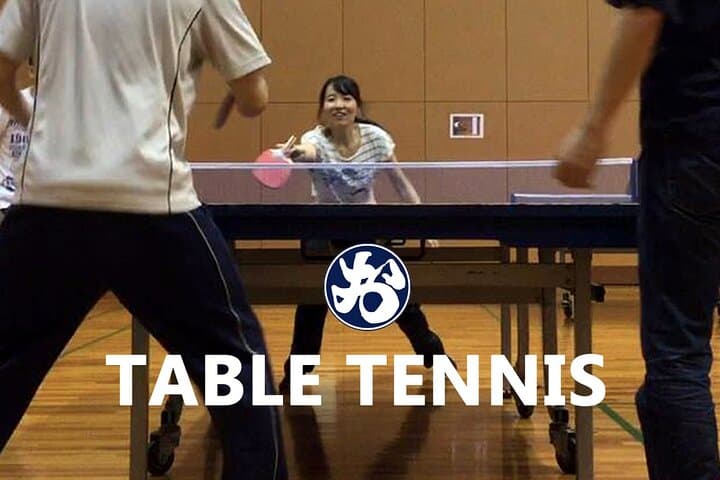
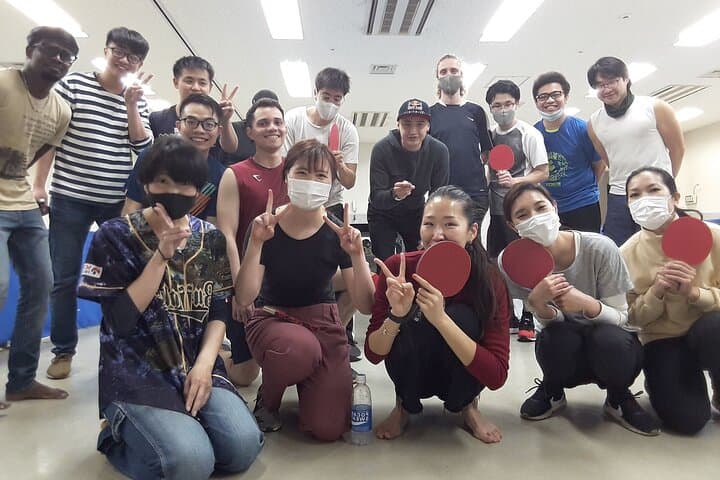
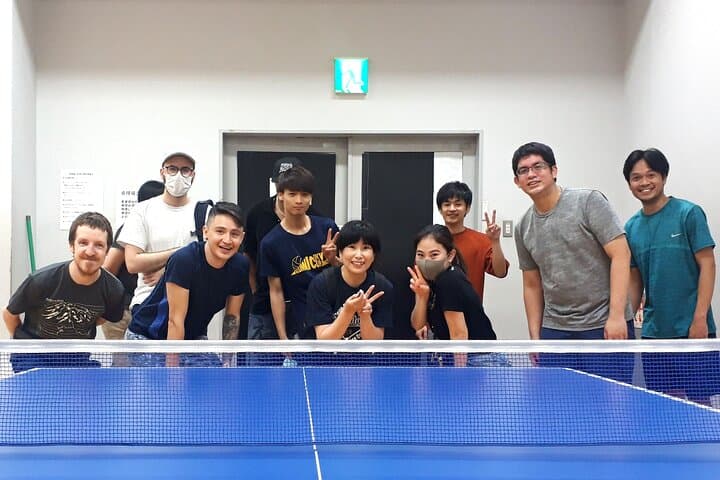
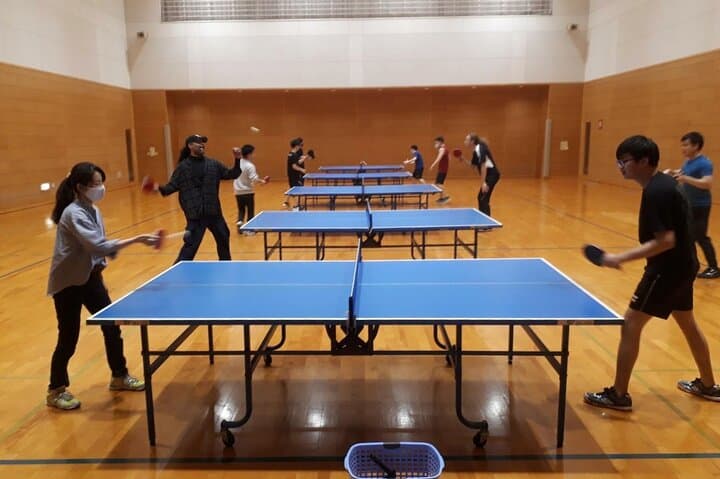
The hall’s fluorescent light catches the rapid blur of paddles and the soft pop of balls; laughter and quick coaching cross languages as local Japanese players and travelers trade serves. In a converted community gym near Namba, the rhythm of doubles play pushes you to move, pivot and connect—this is informal sport that doubles as a social exchange.
Verified experiences and guided adventures in the surrounding area.
Operated by omoroi life · Osaka, Osaka
The hall’s fluorescent light catches the rapid blur of paddles and the soft pop of balls; laughter and quick coaching cross languages as local Japanese players and travelers trade serves. In a converted community gym near Namba, the rhythm of doubles play pushes you to move, pivot and connect—this is informal sport that doubles as a social exchange.
Osaka sits on the flat Osaka Plain at the mouth of the Yodo River, a pragmatic city shaped by commerce and community halls where amateur sports thrive. Table tennis arrived in Japan in the early 20th century and today community centers, university clubs and neighborhood gyms keep the game alive as casual recreation and friendly competition. Playing here is as much cultural as athletic: expect a mix of polite instruction, quick humor, and a willingness to include newcomers.
The session runs about three hours of relaxed doubles, suitable for all levels. Organizers supply paddles and balls; showers, lockers and a water fountain make it easy to arrive straight from sightseeing. The surface is typical indoor gym flooring—lightly sprung with court lines—and indoor shoes are required. Public transit to Namba is straightforward; the activity is wheelchair accessible.
Plan for short, sharp movement: warm up, stay hydrated and wear shoes with lateral support. If you want a quieter experience, aim for earlier sessions; evenings draw larger groups. Beyond the court, sample takoyaki or a late ramen in Namba to keep the social momentum going. This is a practical, low-barrier way to meet locals, sharpen reflexes and feel the city’s friendly, active pulse.
easy.
3 hours.
Light aerobic fitness and comfortable standing for several short rallies; suitable for most ages and fitness levels
No—players of all levels are welcome; organizers and experienced players often offer tips and friendly coaching during matches.
Yes—paddles and balls are provided, though you may bring your own paddle if you prefer.
The venue is a short walk from Namba; use the subway or JR lines to Namba and follow the meeting instructions in your booking confirmation for exact directions.
Yes—the facility is wheelchair accessible and provides lockers, showers and a water fountain on-site.
Osaka developed as a merchant and market center; community sports halls grew from post-war civic investment and remain social hubs in neighborhoods.
Use public transit to reach the gym and refill water bottles to reduce waste; treat shared gear and facilities with care to support local operators.
omoroi life operates guided outdoor trips and adventures with an emphasis on safety, stewardship, and memorable experiences.
The hall’s fluorescent light catches the rapid blur of paddles and the soft pop of balls; laughter and quick coaching cross languages as local Japanese players and travelers trade serves. In a converted community gym near Namba, the rhythm of doubles play pushes you to move, pivot and connect—this is informal sport that doubles as a social exchange.
The hall’s fluorescent light catches the rapid blur of paddles and the soft pop of balls; laughter and quick coaching cross languages as local Japanese players and travelers trade serves. In a converted community gym near Namba, the rhythm of doubles play pushes you to move, pivot and connect—this is informal sport that doubles as a social exchange.
Osaka sits on the flat Osaka Plain at the mouth of the Yodo River, a pragmatic city shaped by commerce and community halls where amateur sports thrive. Table tennis arrived in Japan in the early 20th century and today community centers, university clubs and neighborhood gyms keep the game alive as casual recreation and friendly competition. Playing here is as much cultural as athletic: expect a mix of polite instruction, quick humor, and a willingness to include newcomers.
The session runs about three hours of relaxed doubles, suitable for all levels. Organizers supply paddles and balls; showers, lockers and a water fountain make it easy to arrive straight from sightseeing. The surface is typical indoor gym flooring—lightly sprung with court lines—and indoor shoes are required. Public transit to Namba is straightforward; the activity is wheelchair accessible.
Plan for short, sharp movement: warm up, stay hydrated and wear shoes with lateral support. If you want a quieter experience, aim for earlier sessions; evenings draw larger groups. Beyond the court, sample takoyaki or a late ramen in Namba to keep the social momentum going. This is a practical, low-barrier way to meet locals, sharpen reflexes and feel the city’s friendly, active pulse.