THE ADVENTURE COLLECTIVE® · Independent discovery and booking for outdoor travel

Combine a cable-car ascent of Table Mountain with a ferry trip to Robben Island on this full-day tour. Expect dramatic viewpoints, accessible walks, and a guided look at South Africa’s recent history.
Combine a cable-car ascent of Table Mountain with a ferry trip to Robben Island on this full-day tour. Expect dramatic viewpoints, accessible walks, and a guided look at South Africa’s recent history.
Morning light fractures over the Atlantic as the cable car hums up Table Mountain and the city below opens like a map. Travelers step onto a flat, wind-swept plateau where fynbos brushes the ridge and the coastline stretches toward Robben Island — a pale disk off the bay that holds a difficult history.
Verified experiences and guided adventures in the surrounding area.
Operated by Pleiades du cape town tours · Cape Town, Western Cape
Morning light fractures over the Atlantic as the cable car hums up Table Mountain and the city below opens like a map. Travelers step onto a flat, wind-swept plateau where fynbos brushes the ridge and the coastline stretches toward Robben Island — a pale disk off the bay that holds a difficult history.
Geology here is blunt and honest: Table Mountain is granite and sandstone heaved up over millions of years, its cliffs formed by hard layers wearing at different rates. Cape Town’s recorded history begins with 17th-century refreshment stations for Dutch ships, but the landscape carries older stories in indigenous routes and the sea-born migrations of wildlife. Robben Island, 12 km offshore, became a prison during apartheid and is now a UNESCO World Heritage Site; the walk-through cellblocks contrast with the natural life that occupies the island, from rabbits to African penguins.
Expect easy, paced walking on mostly groomed paths on Table Mountain and short strolls on Robben Island combined with city drivetime and two short boat crossings. Weather changes quickly: wind can make the plateau feel alpine and the ferry can be brisk. Guides balance interpretation — historical briefings at Robben Island, botanical highlights on the mountain — with practical timing to catch both sites in one full day.
Practical tips: book cable car and ferry in advance, bring layered clothing and sun protection, carry your passport for island access, and plan for about eight hours door-to-door if arranged from central Cape Town.
easy.
8 hours.
Suitable for most fitness levels; involves short walks and some standing at viewpoints
The full-day itinerary runs about eight hours, including cable car time, city stops, and the ferry crossing to Robben Island.
Yes — walks are short and the route is rated easy, though Robben Island includes uneven surfaces; infant seats are available and mobility needs should be disclosed when booking.
Operations can be weather-dependent; providers may reschedule or refund per their cancellation policy, and tours typically advise checking conditions the morning of departure.
Admission to Table Mountain and the Robben Island ferry is generally included with full-day tour bookings, but confirm on your booking confirmation as policies vary.
Cape Town began as a 1652 Dutch refreshment station and later expanded; Robben Island served as a political prison during apartheid and is now a World Heritage site.
Table Mountain National Park manages fynbos conservation and erosion control; visitors are encouraged to stick to paths to protect fragile vegetation and nesting sites.
Pleiades du cape town tours operates guided outdoor trips and adventures with an emphasis on safety, stewardship, and memorable experiences.
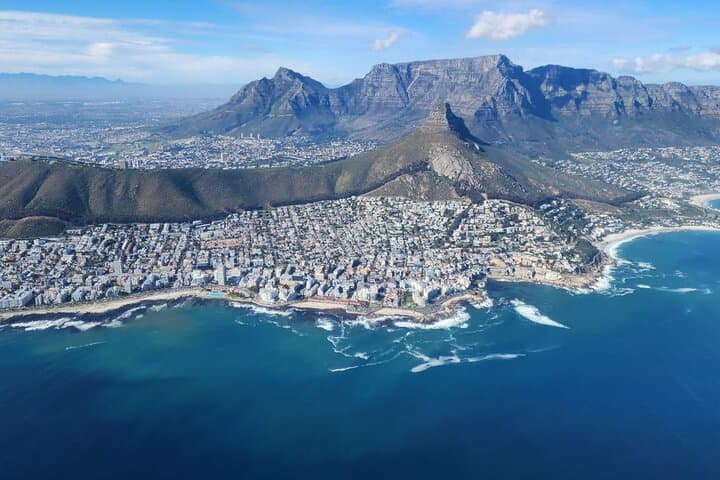
Morning light fractures over the Atlantic as the cable car hums up Table Mountain and the city below opens like a map. Travelers step onto a flat, wind-swept plateau where fynbos brushes the ridge and the coastline stretches toward Robben Island — a pale disk off the bay that holds a difficult history.
Morning light fractures over the Atlantic as the cable car hums up Table Mountain and the city below opens like a map. Travelers step onto a flat, wind-swept plateau where fynbos brushes the ridge and the coastline stretches toward Robben Island — a pale disk off the bay that holds a difficult history.
Geology here is blunt and honest: Table Mountain is granite and sandstone heaved up over millions of years, its cliffs formed by hard layers wearing at different rates. Cape Town’s recorded history begins with 17th-century refreshment stations for Dutch ships, but the landscape carries older stories in indigenous routes and the sea-born migrations of wildlife. Robben Island, 12 km offshore, became a prison during apartheid and is now a UNESCO World Heritage Site; the walk-through cellblocks contrast with the natural life that occupies the island, from rabbits to African penguins.
Expect easy, paced walking on mostly groomed paths on Table Mountain and short strolls on Robben Island combined with city drivetime and two short boat crossings. Weather changes quickly: wind can make the plateau feel alpine and the ferry can be brisk. Guides balance interpretation — historical briefings at Robben Island, botanical highlights on the mountain — with practical timing to catch both sites in one full day.
Practical tips: book cable car and ferry in advance, bring layered clothing and sun protection, carry your passport for island access, and plan for about eight hours door-to-door if arranged from central Cape Town.