THE ADVENTURE COLLECTIVE® · Independent discovery and booking for outdoor travel

Spend a private day climbing above Cape Town on the Table Mountain cable car, then cross to Robben Island to tour Nelson Mandela’s prison. This combo pairs dramatic scenery with a powerful history lesson—book ahead for cable car and ferry seats.
Spend a private day climbing above Cape Town on the Table Mountain cable car, then cross to Robben Island to tour Nelson Mandela’s prison. This combo pairs dramatic scenery with a powerful history lesson—book ahead for cable car and ferry seats.
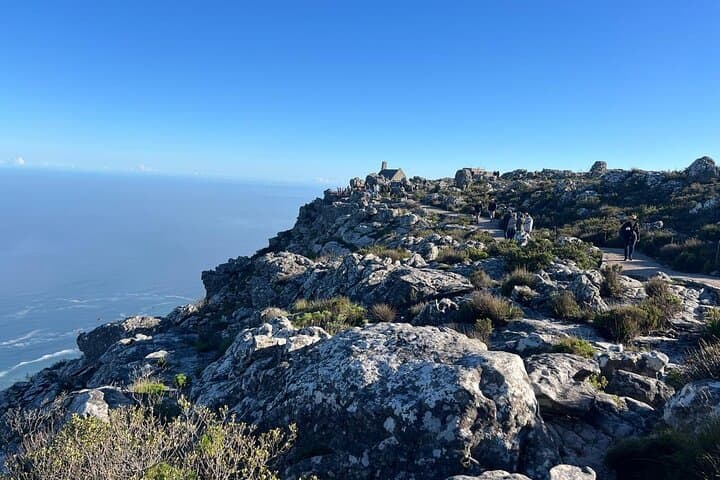
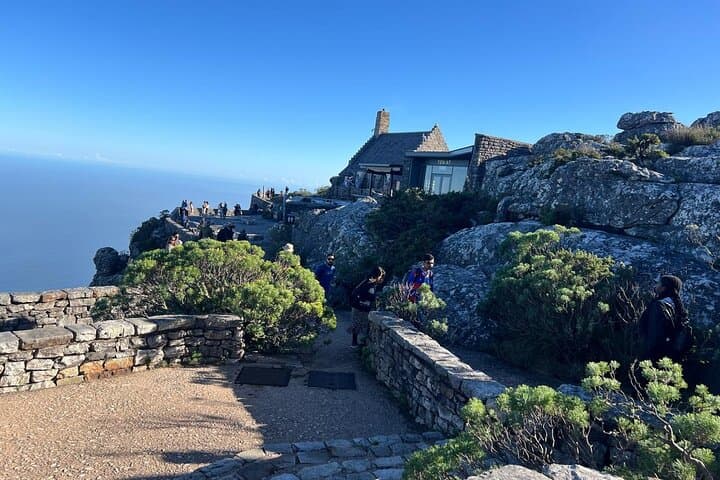
Morning light breaks over Table Mountain and the cable car hums like a promise, lifting you above the city and the Atlantic’s restless edge. From the summit the city fans below—beaches, harbors, and the serrated ridges of the Peninsula—while the wind seems to push you toward the ferry that will carry you to Robben Island’s gray shore.
Verified experiences and guided adventures in the surrounding area.
Operated by Cape View Tours · Cape Town, Western Cape
Morning light breaks over Table Mountain and the cable car hums like a promise, lifting you above the city and the Atlantic’s restless edge. From the summit the city fans below—beaches, harbors, and the serrated ridges of the Peninsula—while the wind seems to push you toward the ferry that will carry you to Robben Island’s gray shore.
Geology here is blunt and dramatic: Table Mountain’s sandstone cap rests on older granites and creates the plateau that sailors used for navigation for centuries. Culturally the route ties two strong threads—indigenous and colonial histories read in place names, and the heavy modern history of Robben Island, where Nelson Mandela and other political prisoners were held. Guides on this private tour weave scientific notes about fynbos ecology with human stories that explain why the island and mountain are inseparable from Cape Town’s identity.
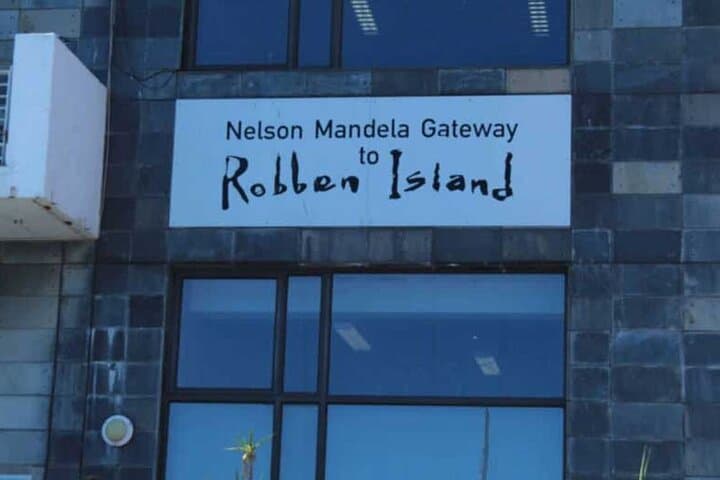
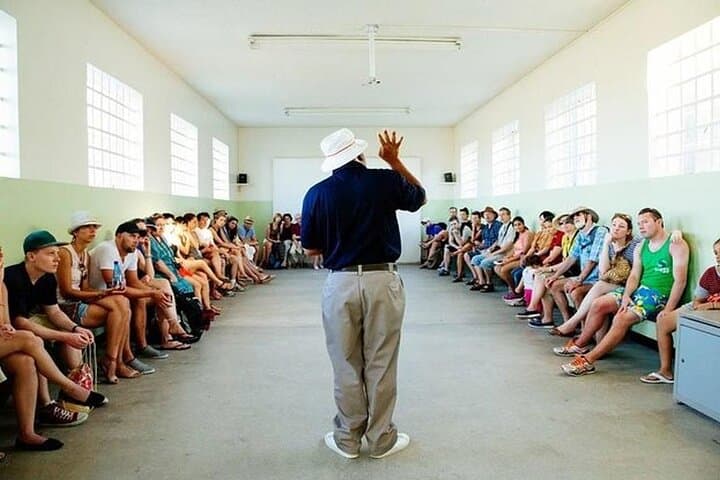
Expect easy walking at Table Mountain’s top—boardwalks and short rocky sections—and a 30–60 minute ferry each way to Robben Island, where restored cells, museum exhibits, and former-warden or ex-prisoner-led narrations give context to apartheid’s landscape.
Practicalities: book cable car tickets and the island ferry in advance (weather can cancel crossings), bring windproof layers and sun protection, and allow 6–8 hours for the full experience. Hydrate before the ferry and leave space in your schedule for boat delays; the island’s wind has a way of setting the day’s tempo.
easy.
6–8 hours.
Light walking and standing; suitable for most fitness levels though there are stairs and uneven surfaces.
The private experience runs about 6–8 hours and includes hotel pickup/drop-off, Table Mountain cable car tickets, Robben Island ferry and museum entrance, and a guided commentary.
Cable car and ferry crossings are weather-dependent; operators may reschedule or refund if wind or sea conditions make travel unsafe.
Yes—physical requirements are minimal. Expect some standing, short walks, and stairs; make special requests for mobility needs when booking.
Mobile or printed tickets are accepted, but bring ID used at booking (passport or national ID) for Robben Island departures.
Robben Island served as a prison for political detainees during apartheid; Table Mountain has been a navigational landmark and sacred place to local Khoikhoi communities.
Table Mountain National Park protects globally unique fynbos vegetation, and Robben Island is managed to preserve both cultural heritage and sensitive coastal ecology; visitors are asked to stick to paths and avoid disturbing wildlife.
Cape View Tours operates guided outdoor trips and adventures with an emphasis on safety, stewardship, and memorable experiences.
Morning light breaks over Table Mountain and the cable car hums like a promise, lifting you above the city and the Atlantic’s restless edge. From the summit the city fans below—beaches, harbors, and the serrated ridges of the Peninsula—while the wind seems to push you toward the ferry that will carry you to Robben Island’s gray shore.
Morning light breaks over Table Mountain and the cable car hums like a promise, lifting you above the city and the Atlantic’s restless edge. From the summit the city fans below—beaches, harbors, and the serrated ridges of the Peninsula—while the wind seems to push you toward the ferry that will carry you to Robben Island’s gray shore.
Geology here is blunt and dramatic: Table Mountain’s sandstone cap rests on older granites and creates the plateau that sailors used for navigation for centuries. Culturally the route ties two strong threads—indigenous and colonial histories read in place names, and the heavy modern history of Robben Island, where Nelson Mandela and other political prisoners were held. Guides on this private tour weave scientific notes about fynbos ecology with human stories that explain why the island and mountain are inseparable from Cape Town’s identity.
Expect easy walking at Table Mountain’s top—boardwalks and short rocky sections—and a 30–60 minute ferry each way to Robben Island, where restored cells, museum exhibits, and former-warden or ex-prisoner-led narrations give context to apartheid’s landscape.
Practicalities: book cable car tickets and the island ferry in advance (weather can cancel crossings), bring windproof layers and sun protection, and allow 6–8 hours for the full experience. Hydrate before the ferry and leave space in your schedule for boat delays; the island’s wind has a way of setting the day’s tempo.