THE ADVENTURE COLLECTIVE® · Independent discovery and booking for outdoor travel

Hike from Camps Bay up Kasteelspoort, cross Table Mountain’s back table and finish at the Upper Cable Station. Expect steep ravine climbs, rare fynbos, sweeping ocean views, and the option to ride the cable car down.
Hike from Camps Bay up Kasteelspoort, cross Table Mountain’s back table and finish at the Upper Cable Station. Expect steep ravine climbs, rare fynbos, sweeping ocean views, and the option to ride the cable car down.
You meet at 26 Theresa Avenue in Camps Bay, the Atlantic wind already shaping the clouds above the 12 Apostles. The trail pulls you into a steep ravine where sandstone cliffs press close and fynbos — tough, aromatic shrubs found nowhere else on Earth — seems to lean in and watch. The climb is immediate; your legs set rhythm as the city drops away and the ocean begins to glitter below.
Verified experiences and guided adventures in the surrounding area.
Operated by Aktiv Tours · Cape Town, Western Cape
You meet at 26 Theresa Avenue in Camps Bay, the Atlantic wind already shaping the clouds above the 12 Apostles. The trail pulls you into a steep ravine where sandstone cliffs press close and fynbos — tough, aromatic shrubs found nowhere else on Earth — seems to lean in and watch. The climb is immediate; your legs set rhythm as the city drops away and the ocean begins to glitter below.
Geology here is blunt and honest: Table Mountain’s flat crown is capped in hard quartzitic sandstone sitting above softer shales, sculpted by erosion into cliffs and ridgelines. The area has long significance for Khoikhoi and early European sailors who used the mountain as a coastal landmark. Cultural layers show in Camps Bay’s Victorian villas and the modern cableway that still ferries visitors to the summit.
Route notes: Kasteelspoort is a steep, rocky ravine with some short scrambling but no exposed cliffs. You’ll cross the back table through the Valley of the Red Gods, encounter panoramic views of the 12 Apostles, and finish at the Upper Cable Station. The group can take the cable car down (ticket at own cost, currently about R295) or descend on foot via Platteklip Gorge.
Practical edge: allow about four hours, carry 2–3 liters of water, wear sturdy trail shoes, and start early to avoid the afternoon wind that can shut the cableway. Guides lead safe lines, but good fitness and surefootedness make the day far more enjoyable.
challenging.
4 hours.
Require high cardiovascular fitness, strong legs and good balance for scrambling; not suitable for unfit travelers.
The guided route is about four hours at a steady, fit pace with short breaks for views; expect steep climbing early on.
No—cable car descent is at your own cost and tickets are purchased at the upper station (around R295) or via the cableway website.
Not recommended for beginners or those with a fear of heights; the route requires fitness, surefootedness and some scrambling ability.
Tours are cancelled in high winds or poor visibility; operators typically offer full refunds if cancelled at least 24 hours beforehand.
Table Mountain served as a coastal navigation point for indigenous Khoikhoi and later European mariners; many Cape Town place names reflect maritime and settler history.
The Table Mountain National Park protects endemic fynbos and enforces stick-to-trail rules; visitors help by carrying out litter and avoiding off-trail trampling of fragile vegetation.
Aktiv Tours operates guided outdoor trips and adventures with an emphasis on safety, stewardship, and memorable experiences.
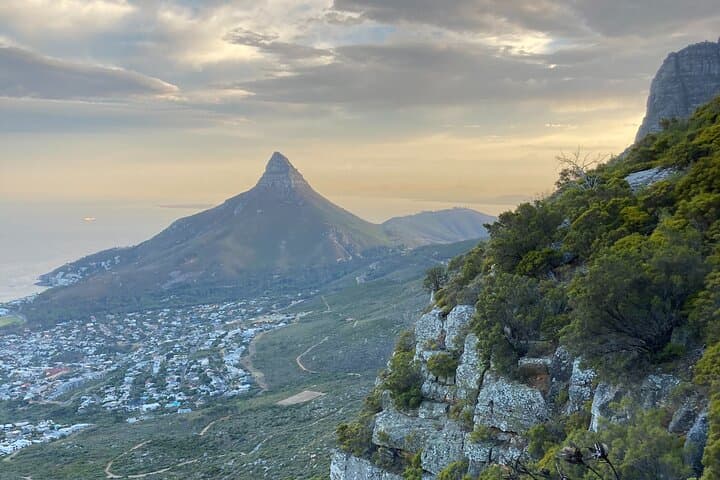
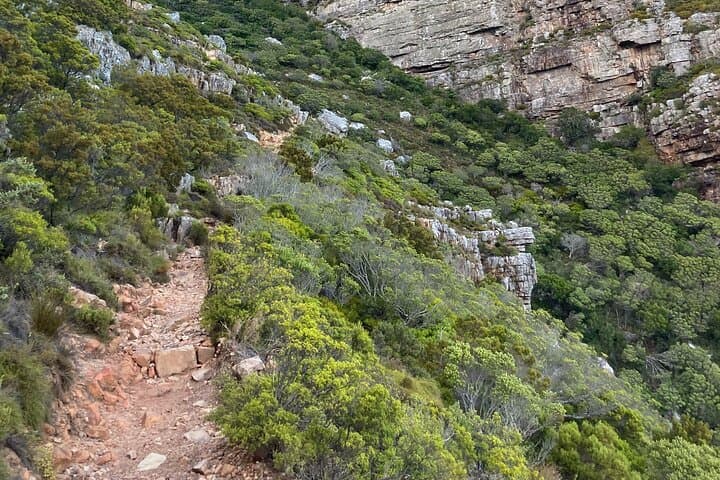
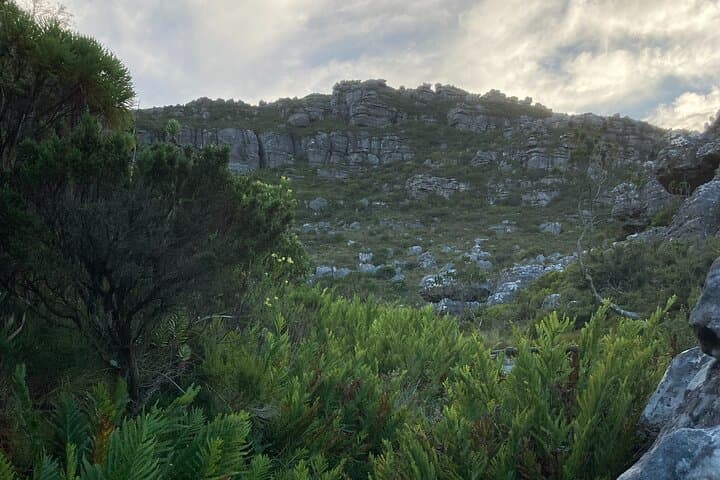
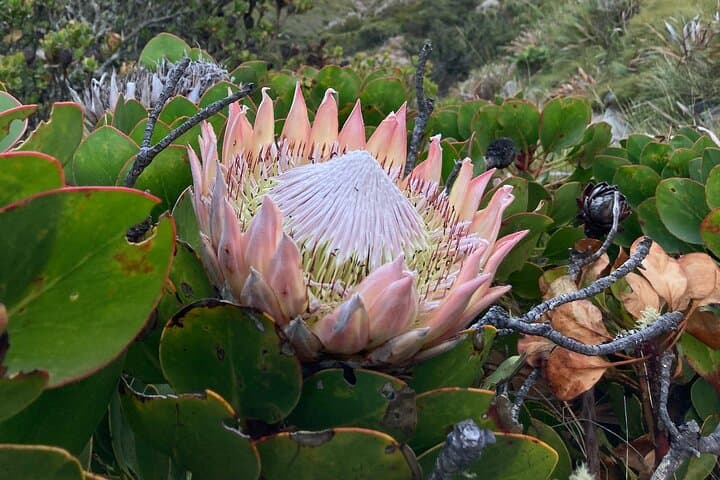
You meet at 26 Theresa Avenue in Camps Bay, the Atlantic wind already shaping the clouds above the 12 Apostles. The trail pulls you into a steep ravine where sandstone cliffs press close and fynbos — tough, aromatic shrubs found nowhere else on Earth — seems to lean in and watch. The climb is immediate; your legs set rhythm as the city drops away and the ocean begins to glitter below.
You meet at 26 Theresa Avenue in Camps Bay, the Atlantic wind already shaping the clouds above the 12 Apostles. The trail pulls you into a steep ravine where sandstone cliffs press close and fynbos — tough, aromatic shrubs found nowhere else on Earth — seems to lean in and watch. The climb is immediate; your legs set rhythm as the city drops away and the ocean begins to glitter below.
Geology here is blunt and honest: Table Mountain’s flat crown is capped in hard quartzitic sandstone sitting above softer shales, sculpted by erosion into cliffs and ridgelines. The area has long significance for Khoikhoi and early European sailors who used the mountain as a coastal landmark. Cultural layers show in Camps Bay’s Victorian villas and the modern cableway that still ferries visitors to the summit.
Route notes: Kasteelspoort is a steep, rocky ravine with some short scrambling but no exposed cliffs. You’ll cross the back table through the Valley of the Red Gods, encounter panoramic views of the 12 Apostles, and finish at the Upper Cable Station. The group can take the cable car down (ticket at own cost, currently about R295) or descend on foot via Platteklip Gorge.
Practical edge: allow about four hours, carry 2–3 liters of water, wear sturdy trail shoes, and start early to avoid the afternoon wind that can shut the cableway. Guides lead safe lines, but good fitness and surefootedness make the day far more enjoyable.