THE ADVENTURE COLLECTIVE® · Independent discovery and booking for outdoor travel

Ride the rotating cable car to Table Mountain’s summit for sweeping coastal panoramas and short, scenic walks across ancient sandstone. This half-day experience pairs easy access with the option to hike, learn about local flora, and capture classic Cape Town views.
Ride the rotating cable car to Table Mountain’s summit for sweeping coastal panoramas and short, scenic walks across ancient sandstone. This half-day experience pairs easy access with the option to hike, learn about local flora, and capture classic Cape Town views.
The cable car rises, slowly turning, and the city folds away beneath you—harbor cranes, white beaches, and the serrated spine of the Twelve Apostles give way to flat, wind-swept rock. At the upper station the air is thinner, the fynbos crisp and aromatic, and the views demand an easy pause: Lion’s Head, Robben Island, and the Atlantic stretching to the horizon.
Verified experiences and guided adventures in the surrounding area.
Operated by LuxExplorer · Cape Town, Western Cape
The cable car rises, slowly turning, and the city folds away beneath you—harbor cranes, white beaches, and the serrated spine of the Twelve Apostles give way to flat, wind-swept rock. At the upper station the air is thinner, the fynbos crisp and aromatic, and the views demand an easy pause: Lion’s Head, Robben Island, and the Atlantic stretching to the horizon.
This mountain is old rock and recent stories. Table Mountain’s thick quartzitic sandstone formed hundreds of millions of years ago; its flat top became a navigational landmark for sailors and later a site of cultural significance for indigenous Khoikhoi and San communities. The Cape’s unique fynbos vegetation—part of the Cape Floristic Region—clings to cliff edges and shallow soils, hosting birds and small mammals adapted to wind and exposure.
On a half-day cable car tour you’ll get panoramic viewing platforms, short walking loops across level stone slabs, and interpretive signs about geology and biodiversity. Guides often point out Maclear’s Beacon, nearby contour paths, and options to extend with a hike via Platteklip Gorge for those who want firmer exertion. Expect gusts at the summit; the weather can change from bright sun to cloud in minutes.
Practical guidance: bring layered, windproof outerwear, sun protection, sturdy shoes, and a reusable water bottle. Aim for morning slots to avoid the heaviest tourist influx and the windiest afternoon conditions. The cable car is wheelchair-accessible; check service schedules when high winds close the tram. Whether you linger on the rim or take a short trail, Table Mountain delivers compact, high-elevation coastal scenery with straightforward logistics.
easy.
4–5 hours.
Suitable for most fitness levels; walks at the top are short and not strenuous but optional hikes to/from the summit require moderate fitness.
Yes—the Table Mountain Aerial Cableway and many upper-level paths are wheelchair-accessible; contact operators ahead for assistance and current operating hours.
Yes—popular routes include Platteklip Gorge and Skeleton Gorge; they are steeper and take several hours depending on pace and route.
There’s no strict time limit for visitors once you’re at the top, but cable car return times depend on the operating schedule and weather—plan at least 1–2 hours to explore.
Operators suspend service in strong winds for safety; check live updates and have a backup plan (alternate hiking routes or rescheduling) if you rely on the tram.
Table Mountain’s sandstone was laid down in the Paleozoic and has served as a navigational landmark for centuries; it also holds cultural significance for indigenous Khoikhoi and San peoples.
Table Mountain National Park manages invasive plant control and erosion mitigation—stay on marked trails, pack out waste, and avoid removing plant material to help protect the fragile fynbos.
LuxExplorer operates guided outdoor trips and adventures with an emphasis on safety, stewardship, and memorable experiences.
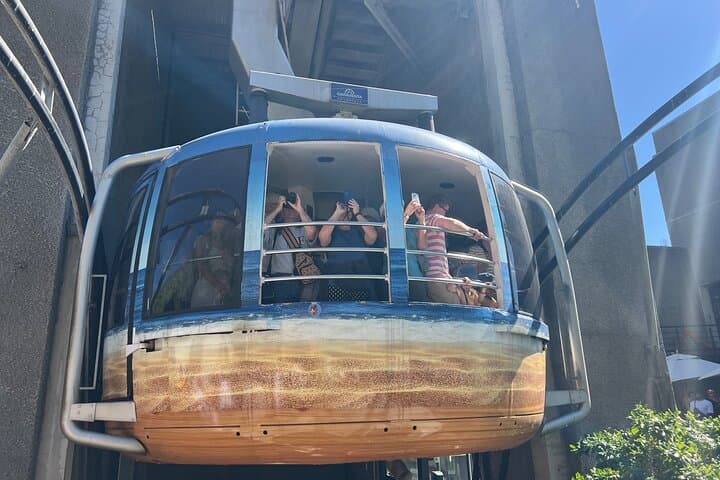
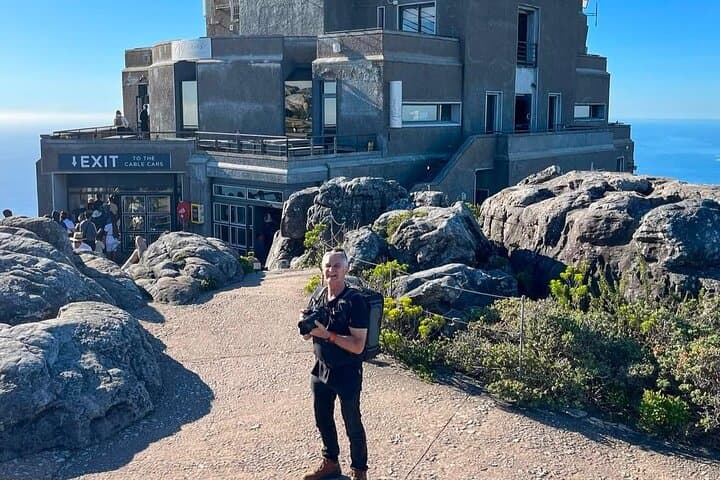
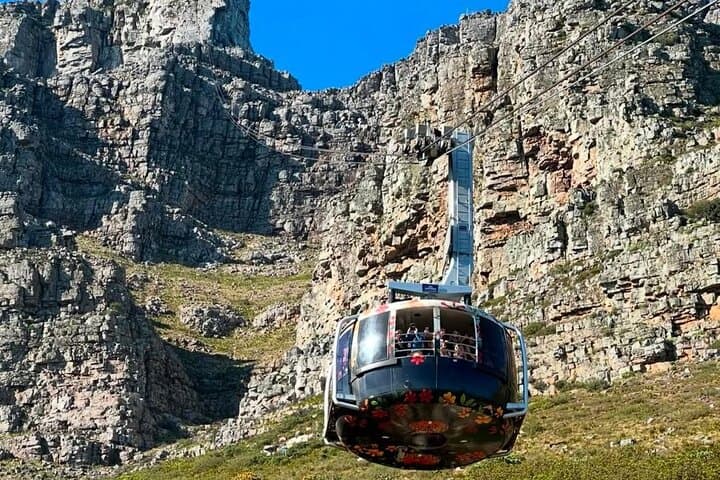

The cable car rises, slowly turning, and the city folds away beneath you—harbor cranes, white beaches, and the serrated spine of the Twelve Apostles give way to flat, wind-swept rock. At the upper station the air is thinner, the fynbos crisp and aromatic, and the views demand an easy pause: Lion’s Head, Robben Island, and the Atlantic stretching to the horizon.
The cable car rises, slowly turning, and the city folds away beneath you—harbor cranes, white beaches, and the serrated spine of the Twelve Apostles give way to flat, wind-swept rock. At the upper station the air is thinner, the fynbos crisp and aromatic, and the views demand an easy pause: Lion’s Head, Robben Island, and the Atlantic stretching to the horizon.
This mountain is old rock and recent stories. Table Mountain’s thick quartzitic sandstone formed hundreds of millions of years ago; its flat top became a navigational landmark for sailors and later a site of cultural significance for indigenous Khoikhoi and San communities. The Cape’s unique fynbos vegetation—part of the Cape Floristic Region—clings to cliff edges and shallow soils, hosting birds and small mammals adapted to wind and exposure.
On a half-day cable car tour you’ll get panoramic viewing platforms, short walking loops across level stone slabs, and interpretive signs about geology and biodiversity. Guides often point out Maclear’s Beacon, nearby contour paths, and options to extend with a hike via Platteklip Gorge for those who want firmer exertion. Expect gusts at the summit; the weather can change from bright sun to cloud in minutes.
Practical guidance: bring layered, windproof outerwear, sun protection, sturdy shoes, and a reusable water bottle. Aim for morning slots to avoid the heaviest tourist influx and the windiest afternoon conditions. The cable car is wheelchair-accessible; check service schedules when high winds close the tram. Whether you linger on the rim or take a short trail, Table Mountain delivers compact, high-elevation coastal scenery with straightforward logistics.