THE ADVENTURE COLLECTIVE® · Independent discovery and booking for outdoor travel

Choose a guided ascent of Table Mountain that adapts to the day’s weather and your energy — coffee on a slab, fynbos stories from a local guide, and panoramic views of Cape Town. This tailored morning hike blends geology, culture, and safe, flexible routing.
Choose a guided ascent of Table Mountain that adapts to the day’s weather and your energy — coffee on a slab, fynbos stories from a local guide, and panoramic views of Cape Town. This tailored morning hike blends geology, culture, and safe, flexible routing.
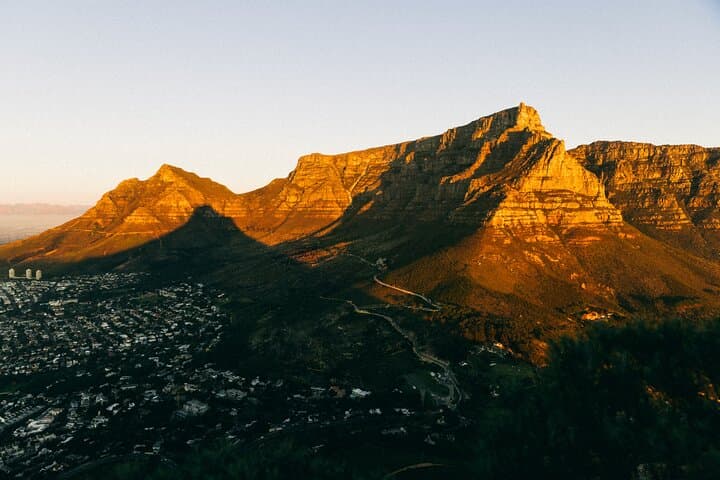
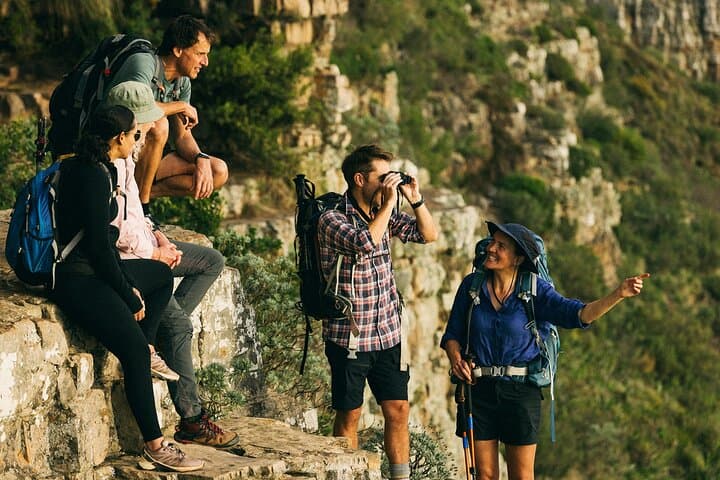
A salty wind brushes the lek of fynbos as hikers crest a rock slab and Cape Town unfurls beneath them — a checkerboard of harbor, suburb, and sea. The guide pauses to point out a protea, grinds fresh coffee over a compact stove, and lets the city’s noise fall away. This is Table Mountain on a morning that’s mapped to the weather and the group’s legs.
Verified experiences and guided adventures in the surrounding area.
Operated by Klipspring Hikes · Cape Town, Western Cape
A salty wind brushes the lek of fynbos as hikers crest a rock slab and Cape Town unfurls beneath them — a checkerboard of harbor, suburb, and sea. The guide pauses to point out a protea, grinds fresh coffee over a compact stove, and lets the city’s noise fall away. This is Table Mountain on a morning that’s mapped to the weather and the group’s legs.
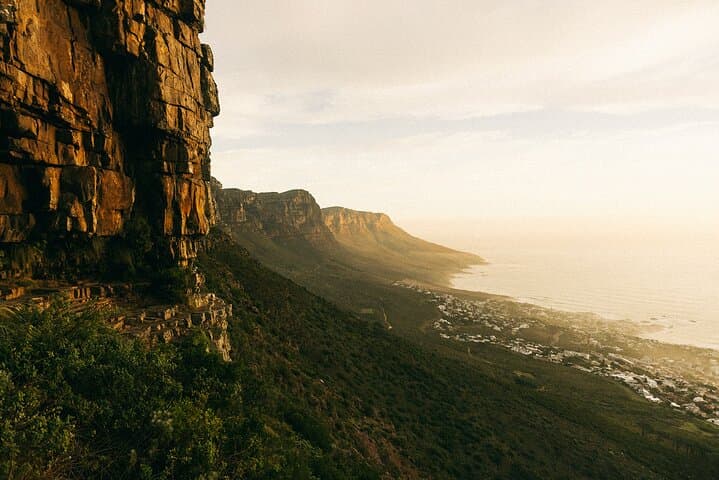
Geologically, Table Mountain is an uplifted sandstone plateau formed during the Cape Fold Belt orogeny; its hard quartzitic sandstone creates steep cliffs, slabs and exposed scrambling sections. Culturally the mountain has long been a landmark for Khoikhoi and European sailors; modern guides weave stories of local people and conservation efforts into the ascent. Ecologically the fynbos biome dominates — low, aromatic shrubs that host sunbirds and endemic insects.
Guides tailor routes: shorter, steeper tracks such as Platteklip Gorge gain ~600–800 m over 2.5–4 km; longer ridge circuits and contour paths spread elevation gain over 5–8 km. Terrain mixes packed sand, rock steps, and occasional loose scree; some sections require steady footing rather than technical rope work. Expect 3–3.5 hours on a typical guided morning, with coffee and local padkos served at a scenic rest.
Practically: start early for stable weather, bring 1–2 L water, layered windproof clothing, grippy hiking shoes, and a small daypack. Cable car descent is possible but may be weather-dependent. The experience balances natural history, careful footing, and local storytelling — a joinable, safety-focused way to stand on Table Mountain and see Cape Town from the high ground.
moderate.
3–3.5 hours.
Suitable for people who can sustain continuous uphill hiking for 60–90 minutes and manage uneven terrain; basic aerobic fitness recommended.
The guided experience runs about 3–3.5 hours; routes are chosen to match group fitness — expect moderate effort with some steep sections and uneven rock.
Yes; infants must sit on laps and the guide will choose gentler routes when possible; bring your own carrier for toddlers.
Cable car descent is sometimes possible but depends on weather and availability; confirm with the guide on the day of the hike.
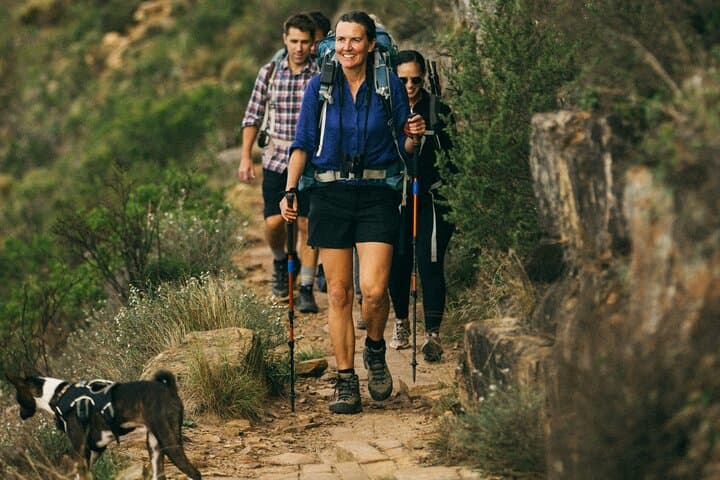
Service animals are allowed and the operator occasionally has a friendly co-guide dog (Otto), but verify policies if bringing a pet.
Table Mountain served as a navigational landmark for indigenous peoples and sailors; colonial-era routes and modern conservation efforts have shaped access to the plateau.
Tours support local reforestation and plant conservation initiatives; stay on established trails to protect fragile fynbos and reduce erosion.
Klipspring Hikes operates guided outdoor trips and adventures with an emphasis on safety, stewardship, and memorable experiences.
A salty wind brushes the lek of fynbos as hikers crest a rock slab and Cape Town unfurls beneath them — a checkerboard of harbor, suburb, and sea. The guide pauses to point out a protea, grinds fresh coffee over a compact stove, and lets the city’s noise fall away. This is Table Mountain on a morning that’s mapped to the weather and the group’s legs.
A salty wind brushes the lek of fynbos as hikers crest a rock slab and Cape Town unfurls beneath them — a checkerboard of harbor, suburb, and sea. The guide pauses to point out a protea, grinds fresh coffee over a compact stove, and lets the city’s noise fall away. This is Table Mountain on a morning that’s mapped to the weather and the group’s legs.
Geologically, Table Mountain is an uplifted sandstone plateau formed during the Cape Fold Belt orogeny; its hard quartzitic sandstone creates steep cliffs, slabs and exposed scrambling sections. Culturally the mountain has long been a landmark for Khoikhoi and European sailors; modern guides weave stories of local people and conservation efforts into the ascent. Ecologically the fynbos biome dominates — low, aromatic shrubs that host sunbirds and endemic insects.
Guides tailor routes: shorter, steeper tracks such as Platteklip Gorge gain ~600–800 m over 2.5–4 km; longer ridge circuits and contour paths spread elevation gain over 5–8 km. Terrain mixes packed sand, rock steps, and occasional loose scree; some sections require steady footing rather than technical rope work. Expect 3–3.5 hours on a typical guided morning, with coffee and local padkos served at a scenic rest.
Practically: start early for stable weather, bring 1–2 L water, layered windproof clothing, grippy hiking shoes, and a small daypack. Cable car descent is possible but may be weather-dependent. The experience balances natural history, careful footing, and local storytelling — a joinable, safety-focused way to stand on Table Mountain and see Cape Town from the high ground.