THE ADVENTURE COLLECTIVE® · Independent discovery and booking for outdoor travel

Ascend Table Mountain by cable car for sweeping Atlantic views, then explore the colorful streets of Bo‑Kaap on a focused half‑day tour. Expect geological panoramas, fynbos winds, and a concise cultural introduction to Cape Malay history.
Ascend Table Mountain by cable car for sweeping Atlantic views, then explore the colorful streets of Bo‑Kaap on a focused half‑day tour. Expect geological panoramas, fynbos winds, and a concise cultural introduction to Cape Malay history.
Book with KJA Tours (Pty)Ltd
Book directly with KJA Tours (Pty)Ltd for the best rates and real-time scheduling.
Reserve NowVerified experiences and guided adventures in the surrounding area.
Operated by KJA Tours (Pty)Ltd · Cape Town, Western Cape
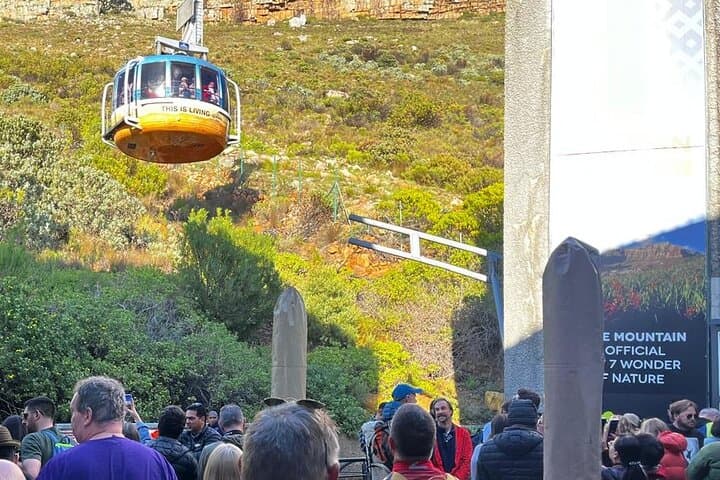
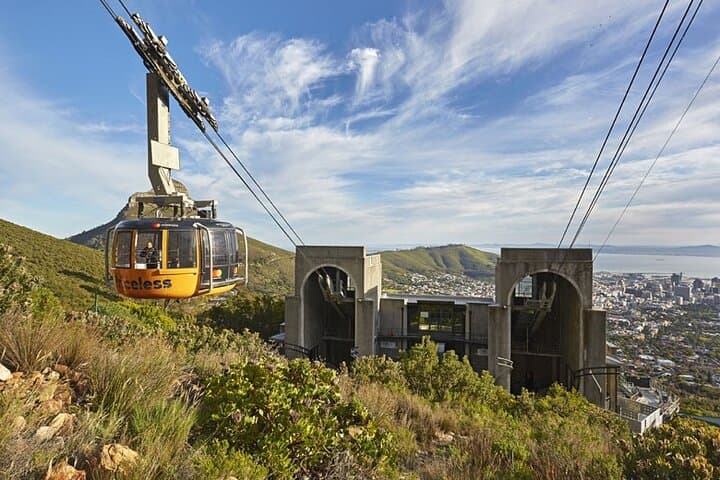
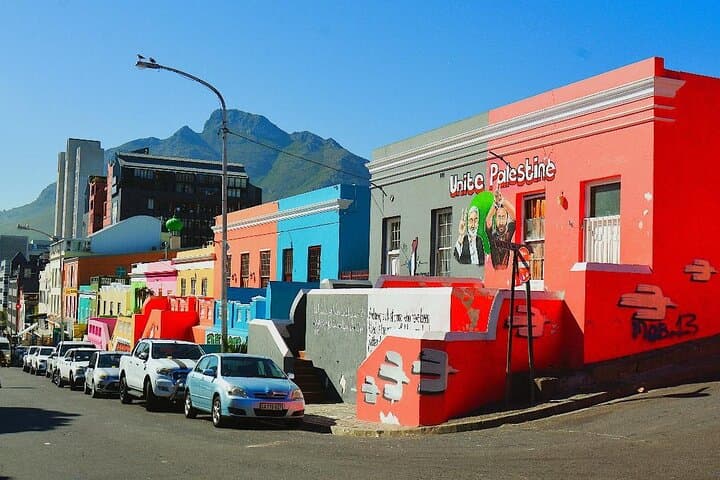
You step off the cable car onto a flat, wind-scoured table of stone with the Atlantic fanning out to the west and the city shelled below. The air smells faintly of sea and fynbos; rock hyrax sun themselves on boulders while gulls wheel above the escarpment. The cable car’s slow rotation gives you time to read the coastline — Signal Hill, Lion’s Head, and the ragged line of the Twelve Apostles — like a topographic postcard. Table Mountain began as sandstone laid down 300 million years ago, tilted and uplifted to form the plateau you now stand upon. Its summit supports a unique fynbos biome, adapted to fire and wind. Descend the mountain’s story and you enter Bo-Kaap: a compact neighborhood on Signal Hill’s lower slopes where cobblestones, spice shops, and the Auwal Mosque mark a living Cape Malay history dating to the 1760s and the post-emancipation era. Practical guidance: the organized half-day runs about three hours, combining the aerial cableway and a guided walk with hotel transfers. Wind can close the cable car; check conditions and book advance tickets to avoid disappointment. Wear sturdy shoes for uneven rock and a windproof layer—the summit can be several degrees colder and much windier than the city. Bring water, a camera, and time to pause at lookouts facing Camps Bay and the Atlantic. Respect marked trails to protect fragile fynbos, and give local residents space when photographing Bo-Kaap homes—ask before shooting portraits. This half-day is compact but rewarding: geological drama, sweeping ocean views, and a short cultural immersion in one outing.
moderate.
2–3 hours.
Moderate fitness for short walks on uneven ground; comfortable walking ability and stair negotiation required.
The cable car operates most days but will close in high winds or severe weather for safety—check live operating status before your tour.
The tour lists wheelchair accessibility and the cable car has limited accessibility options; notify the operator at booking to arrange assistance and confirm access.
The itinerary allocates about 90–120 minutes at the mountain, enough for lookouts, short walks, and photos but not for long hikes.
Yes—Bo‑Kaap is small and walkable; consider staying to visit the Bo‑Kaap Museum or to try Cape Malay cuisine, but be mindful of local residents and photography etiquette.
Table Mountain is an ancient sandstone plateau formed by uplift and erosion; Bo‑Kaap developed in the 18th century as a center for Cape Malay culture after slavery was abolished.
Stick to marked trails to protect the fynbos biome, avoid feeding wildlife, and support local businesses to contribute to sustainable tourism.
KJA Tours (Pty)Ltd operates guided outdoor trips and adventures with an emphasis on safety, stewardship, and memorable experiences.

Book with KJA Tours (Pty)Ltd
Book directly with KJA Tours (Pty)Ltd for the best rates and real-time scheduling.
Reserve Now