THE ADVENTURE COLLECTIVE® · Independent discovery and booking for outdoor travel

Ride the rotating cable car to Table Mountain’s sweeping viewpoints, then wander the cobbled, technicolor streets of Bo-Kaap. This three-hour tour pairs geology and culture into a compact Cape Town experience.
Ride the rotating cable car to Table Mountain’s sweeping viewpoints, then wander the cobbled, technicolor streets of Bo-Kaap. This three-hour tour pairs geology and culture into a compact Cape Town experience.
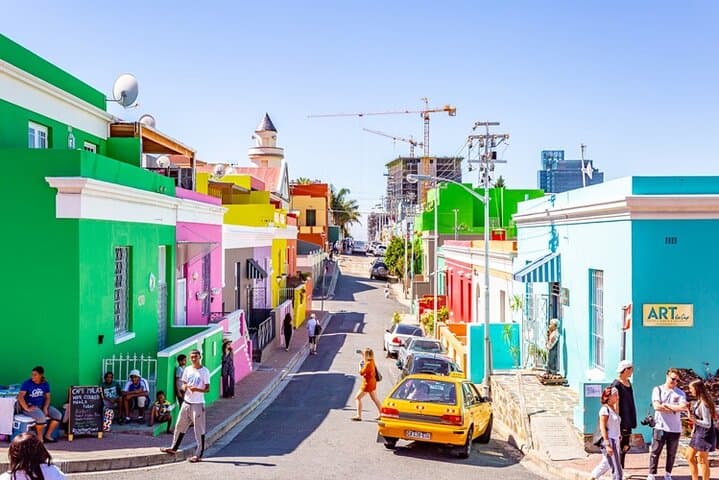
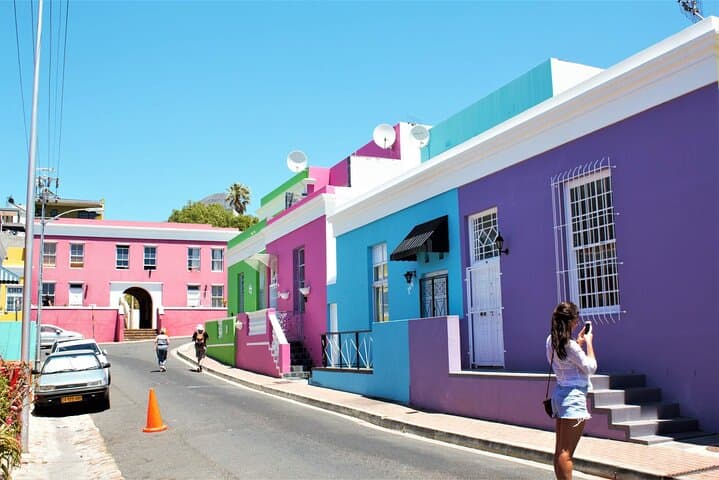
The cable car rotates gently as Cape Town spreads beneath you: the city grid fans toward the ocean, Robben Island a small disk on the water, and Table Mountain’s flat crown rises like a plateau that dares you to explore. Within three hours you’ll trade panoramic heights for the vivid, narrow alleys of Bo-Kaap—brightly painted houses, cobbles underfoot and the scent of Cape Malay spices on the breeze.
Verified experiences and guided adventures in the surrounding area.
Operated by Karibusouth Tours · Cape Town, Western Cape
The cable car rotates gently as Cape Town spreads beneath you: the city grid fans toward the ocean, Robben Island a small disk on the water, and Table Mountain’s flat crown rises like a plateau that dares you to explore. Within three hours you’ll trade panoramic heights for the vivid, narrow alleys of Bo-Kaap—brightly painted houses, cobbles underfoot and the scent of Cape Malay spices on the breeze.
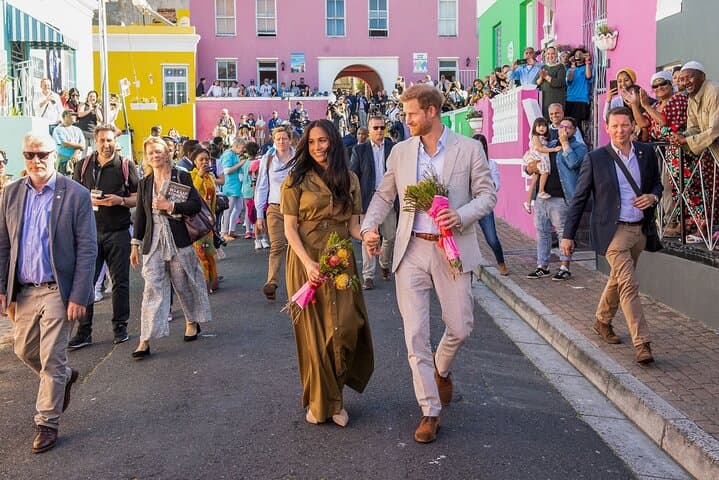
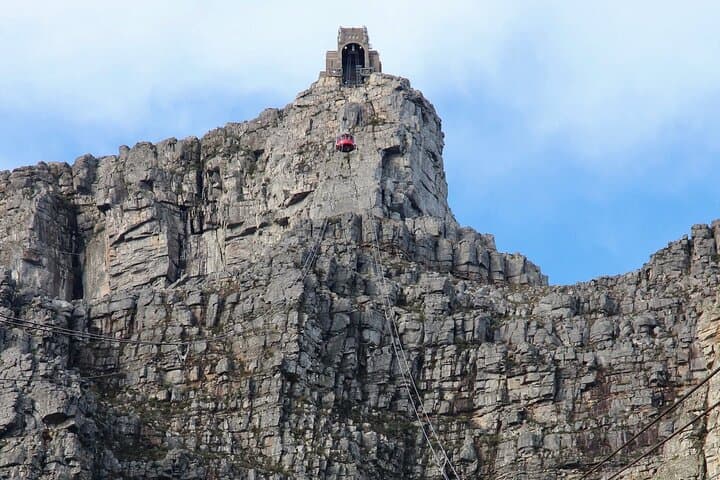
Table Mountain is carved from hard Table Mountain Sandstone and sits at roughly 1,085 meters above sea level; the cableway delivers visitors to the plateau in minutes while the rock face and fynbos watch quietly. Bo-Kaap, on the northern slopes of Signal Hill, carries centuries of Cape Malay history—18th- and 19th-century homes, mosques, and community stories visible in doorways and on Wale Street.
Expect short walks on uneven cobblestones in Bo-Kaap (roughly 1–2 km of exploring) and easy movement at the cableway stations. Terrain shifts between urban sidewalks and rocky viewing platforms; winds can be strong on the plateau, pushing you toward the railing for dramatic panoramas.
Practical tips: allow about 3 hours total, bring layered windproof clothing, sturdy shoes for cobbles, and a refillable water bottle. Visit early or late afternoon to avoid peak crowds and get softer light for photos. Respect local residences—Bo-Kaap is a living neighborhood—and stick to marked paths on Table Mountain to protect fragile fynbos. This is a compact, accessible blend of geology, culture, and city-scale views—ideal for travelers who want a high-impact Cape Town introduction without a full-day commitment.
easy.
3 hours.
Suitable for most fitness levels; requires short periods of standing and gentle walking on uneven cobbles.
Yes—this tour includes cable car admission; the ride up and down takes only a few minutes each way and provides 360° views as it rotates.
The tour notes indicate stroller and infant seat accessibility; accessibility may vary at viewing platforms—contact the operator for specific needs.
Full refunds are available if you cancel at least 24 hours before the scheduled start; last-minute cancellations are generally non-refundable.
Yes—the walking portion includes commentary about Bo-Kaap’s history, architecture and Cape Malay culture while touring its main streets.
Bo-Kaap developed in the 18th century as a home for freed slaves and Cape Malay communities; its colorful houses became a community tradition and identity marker over generations.
Table Mountain’s fynbos is ecologically sensitive—stay on paths to avoid trampling plants, and avoid littering; support local guides and businesses that promote sustainable tourism.
Karibusouth Tours operates guided outdoor trips and adventures with an emphasis on safety, stewardship, and memorable experiences.
The cable car rotates gently as Cape Town spreads beneath you: the city grid fans toward the ocean, Robben Island a small disk on the water, and Table Mountain’s flat crown rises like a plateau that dares you to explore. Within three hours you’ll trade panoramic heights for the vivid, narrow alleys of Bo-Kaap—brightly painted houses, cobbles underfoot and the scent of Cape Malay spices on the breeze.
The cable car rotates gently as Cape Town spreads beneath you: the city grid fans toward the ocean, Robben Island a small disk on the water, and Table Mountain’s flat crown rises like a plateau that dares you to explore. Within three hours you’ll trade panoramic heights for the vivid, narrow alleys of Bo-Kaap—brightly painted houses, cobbles underfoot and the scent of Cape Malay spices on the breeze.
Table Mountain is carved from hard Table Mountain Sandstone and sits at roughly 1,085 meters above sea level; the cableway delivers visitors to the plateau in minutes while the rock face and fynbos watch quietly. Bo-Kaap, on the northern slopes of Signal Hill, carries centuries of Cape Malay history—18th- and 19th-century homes, mosques, and community stories visible in doorways and on Wale Street.
Expect short walks on uneven cobblestones in Bo-Kaap (roughly 1–2 km of exploring) and easy movement at the cableway stations. Terrain shifts between urban sidewalks and rocky viewing platforms; winds can be strong on the plateau, pushing you toward the railing for dramatic panoramas.
Practical tips: allow about 3 hours total, bring layered windproof clothing, sturdy shoes for cobbles, and a refillable water bottle. Visit early or late afternoon to avoid peak crowds and get softer light for photos. Respect local residences—Bo-Kaap is a living neighborhood—and stick to marked paths on Table Mountain to protect fragile fynbos. This is a compact, accessible blend of geology, culture, and city-scale views—ideal for travelers who want a high-impact Cape Town introduction without a full-day commitment.