THE ADVENTURE COLLECTIVE® · Independent discovery and booking for outdoor travel

Ride the rotating cable car to Table Mountain’s flat summit for unmatched views of Cape Town and the Atlantic. This flexible, self-guided ticket lets you explore the plateau at your own pace—plan for wind, sun, and short hikes between viewpoints.
Ride the rotating cable car to Table Mountain’s flat summit for unmatched views of Cape Town and the Atlantic. This flexible, self-guided ticket lets you explore the plateau at your own pace—plan for wind, sun, and short hikes between viewpoints.
The cable car turns slowly, glass rotating to give a full 360-degree reveal: Cape Town fans out below, the Atlantic flashes steel-blue, and the wind scrapes the table-top sandstone like a hand over a board. From the lower station the ascent feels immediate—the city shrinks, gulls wheel, and the plateau opens with flat granite shoulders and fynbos that presses close to the edge.
Verified experiences and guided adventures in the surrounding area.
Operated by Cape Vista Travel Co. · Cape Town, Western Cape
The cable car turns slowly, glass rotating to give a full 360-degree reveal: Cape Town fans out below, the Atlantic flashes steel-blue, and the wind scrapes the table-top sandstone like a hand over a board. From the lower station the ascent feels immediate—the city shrinks, gulls wheel, and the plateau opens with flat granite shoulders and fynbos that presses close to the edge.
Table Mountain is more than a viewpoint. Its flat summit is an erosion-resistant layer of Table Mountain Sandstone laid down hundreds of millions of years ago, raising a dry, wind-sculpted shelf above the Cape Peninsula. Indigenous Khoikhoi and early mariners used the mountain as a landmark; the aerial cableway first carried visitors in 1929 and has since been modernized to move people quickly while minimizing impact on fragile plant communities.
At the top, trails range from short paved loops to rougher paths toward Maclear’s Beacon, and the plateau’s low scrub and quartzite outcrops host specialized fynbos and skittering dassies that treat ledges like living rooms. The wind can change in minutes—clouds will spill over and dare you to stay for the views.
Practicalities: tickets are flexible with no fixed entry time but check operating hours and wind closures. Allow 2–3 hours for a relaxed visit (longer if you hike). Wear sturdy shoes, windproof layers, sun protection, and carry water. Arrive early or late afternoon to avoid peak crowds and the busiest cableway runs. Respect marked paths to protect rare plants and reduce erosion; the plateau rewards patience with viewpoints few other cities can match.
moderate.
2–3 hours.
Requires moderate fitness for short hikes and negotiating uneven paths on the plateau; minimal climbing.
Tickets are flexible and not time-specific, but you should check operating hours and weather; mornings and late afternoons often have fewer crowds.
Yes—the cableway and many summit viewing areas are wheelchair accessible; contact staff at the station for assistance and best access routes.
No—this ticket provides entry and cableway access only; guided hikes or tours are available separately through third-party operators.
You can cancel for a full refund if you cancel at least 24 hours before the scheduled visit; check the vendor page for any updates.
Table Mountain’s sandstone formed hundreds of millions of years ago; the peak was a navigational landmark for indigenous Khoikhoi and early sailors, and the cableway first opened in 1929.
The plateau supports endangered fynbos species—stay on marked paths to prevent erosion and avoid disturbing vegetation; local conservation programs control invasive plants and monitor foot traffic.
Cape Vista Travel Co. operates guided outdoor trips and adventures with an emphasis on safety, stewardship, and memorable experiences.
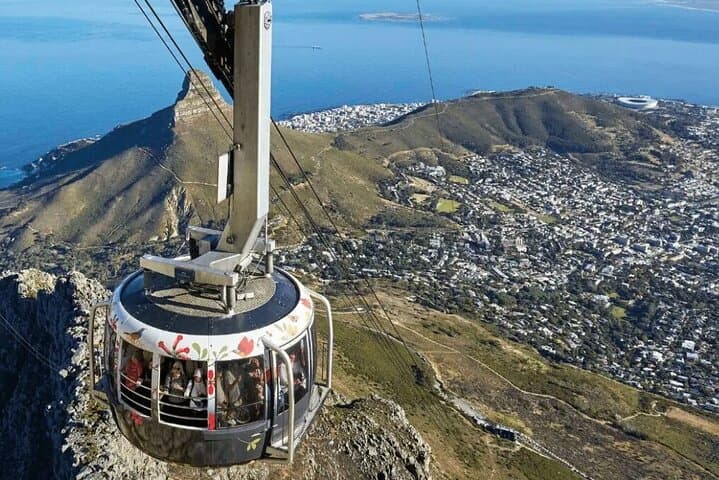
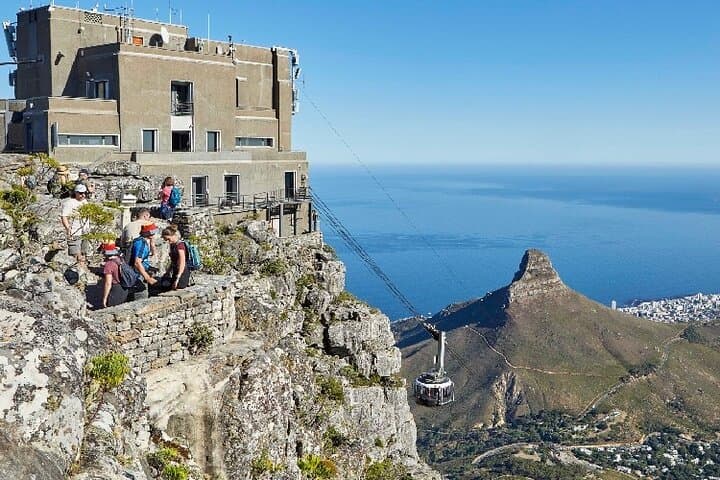
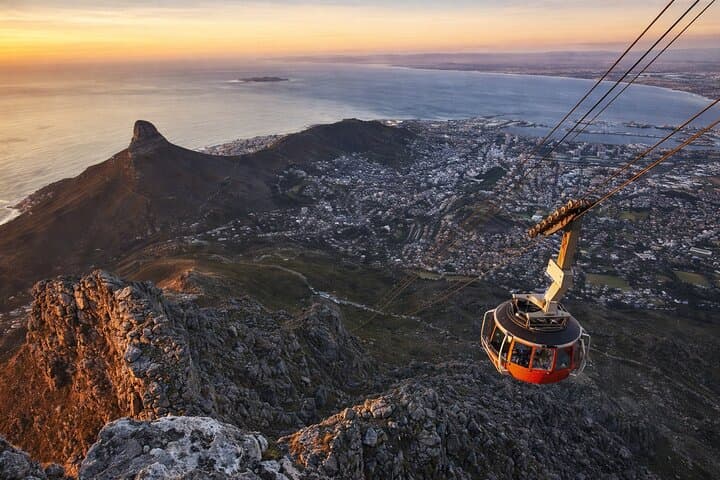
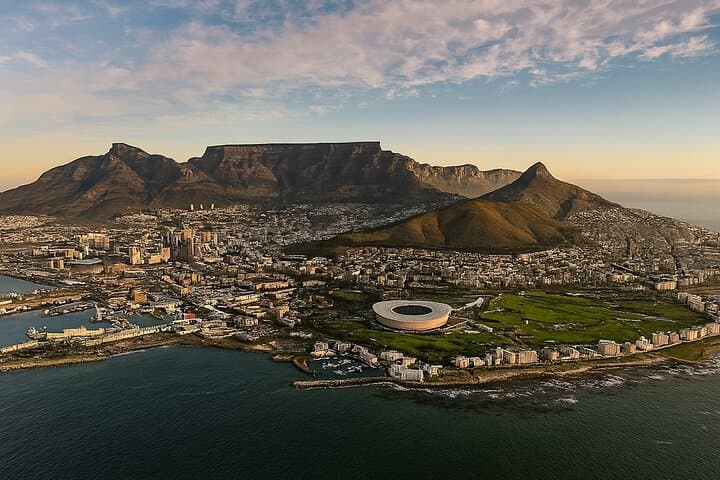
The cable car turns slowly, glass rotating to give a full 360-degree reveal: Cape Town fans out below, the Atlantic flashes steel-blue, and the wind scrapes the table-top sandstone like a hand over a board. From the lower station the ascent feels immediate—the city shrinks, gulls wheel, and the plateau opens with flat granite shoulders and fynbos that presses close to the edge.
The cable car turns slowly, glass rotating to give a full 360-degree reveal: Cape Town fans out below, the Atlantic flashes steel-blue, and the wind scrapes the table-top sandstone like a hand over a board. From the lower station the ascent feels immediate—the city shrinks, gulls wheel, and the plateau opens with flat granite shoulders and fynbos that presses close to the edge.
Table Mountain is more than a viewpoint. Its flat summit is an erosion-resistant layer of Table Mountain Sandstone laid down hundreds of millions of years ago, raising a dry, wind-sculpted shelf above the Cape Peninsula. Indigenous Khoikhoi and early mariners used the mountain as a landmark; the aerial cableway first carried visitors in 1929 and has since been modernized to move people quickly while minimizing impact on fragile plant communities.
At the top, trails range from short paved loops to rougher paths toward Maclear’s Beacon, and the plateau’s low scrub and quartzite outcrops host specialized fynbos and skittering dassies that treat ledges like living rooms. The wind can change in minutes—clouds will spill over and dare you to stay for the views.
Practicalities: tickets are flexible with no fixed entry time but check operating hours and wind closures. Allow 2–3 hours for a relaxed visit (longer if you hike). Wear sturdy shoes, windproof layers, sun protection, and carry water. Arrive early or late afternoon to avoid peak crowds and the busiest cableway runs. Respect marked paths to protect rare plants and reduce erosion; the plateau rewards patience with viewpoints few other cities can match.