THE ADVENTURE COLLECTIVE® · Independent discovery and booking for outdoor travel

Cross the glassy expanse of Taal Lake on a bangka and climb a short, steep trail to the volcano’s crater viewpoint. This 6–8 hour tour from Tagaytay blends geology, lakeside market culture and close-up volcanic scenery—check advisories, bring sun protection and be ready for changing conditions.
Cross the glassy expanse of Taal Lake on a bangka and climb a short, steep trail to the volcano’s crater viewpoint. This 6–8 hour tour from Tagaytay blends geology, lakeside market culture and close-up volcanic scenery—check advisories, bring sun protection and be ready for changing conditions.
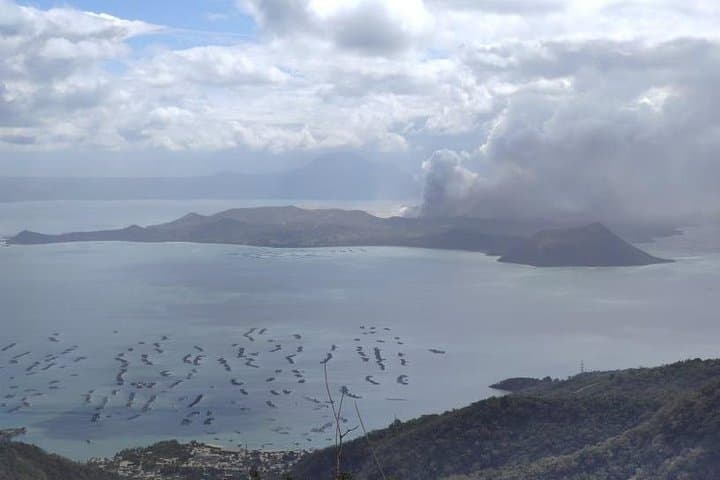
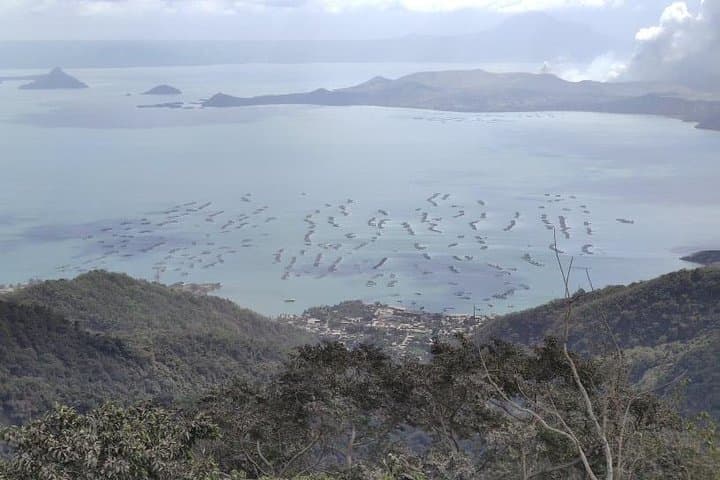
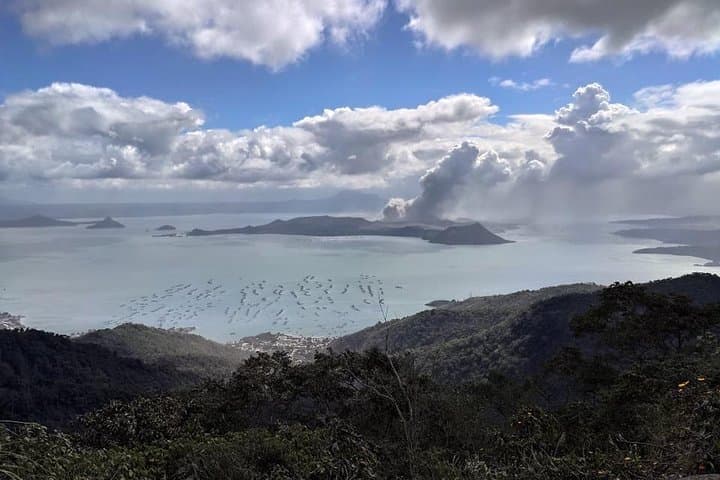
You step onto Tagaytay's ridge while the lake below pulls the eye—an inland sea circled by steep green walls and the small cone of Taal Volcano like a deliberate scar on the water. Morning mist lifts from the lake; bangkas bob at the shore, engines cutting through glassy water as the island grows larger and louder with birdcalls.
Verified experiences and guided adventures in the surrounding area.
Operated by Yolo Travel Philippines · Talisay, Batangas
You step onto Tagaytay's ridge while the lake below pulls the eye—an inland sea circled by steep green walls and the small cone of Taal Volcano like a deliberate scar on the water. Morning mist lifts from the lake; bangkas bob at the shore, engines cutting through glassy water as the island grows larger and louder with birdcalls.
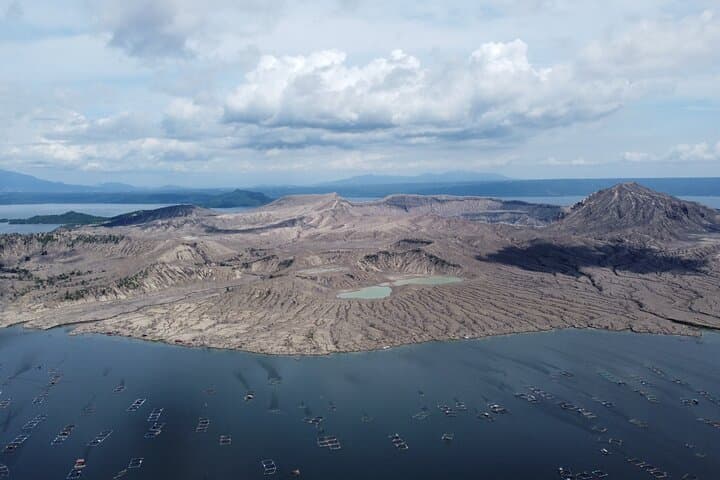
Taal is one of the Philippines' most active volcanic complexes, its eruptions shaping Batangas and Tagaytay for centuries. The island sits in a caldera formed by an ancient, far larger eruption; recent activity, including the 2020 events, altered vents and reminded locals how quickly the landscape can reconfigure.
Culture here mixes Tagalog market life and lakeside fishing traditions: vendors in Talisay sell salted fish and local snacks before you cross. Geologically, you’re moving from caldera rim to crater rim—short, steep trails and volcanic ash underfoot—then back across the lake on a traditional bangka. The volcano has attitude: steam vents and sulfur stains mark areas to respect and keep distance from.
Practical needs are simple but real. Tours run 6–8 hours with hotel pickup from Metro Manila areas; weather and volcanic advisories can change the plan. Expect a 20–60 minute climb to the crater viewpoint on uneven, sometimes loose terrain; many visitors use horses for the ascent. Bring water, sun protection and a lightweight rain layer. Listen to guides and PHIVOLCS updates; conditions on active volcanoes shift quickly. Arrive early to avoid heat and afternoon squalls, and give yourself time to visit the Talisay market on the return for a real taste of lakeside Batangas.
moderate.
6–8 hours.
Suitable for travelers in reasonable health who can manage a steep, short climb of 20–60 minutes; minimal stamina required for boat transfer and walking.
Yes—this tour includes a bangka boat transfer to Taal Volcano Island as part of the standard itinerary.
The hike is short but steep; most people can manage it, but it’s not recommended for those with serious heart problems or pregnancy—guides offer horses as an alternative where available.
Expect roughly 6–8 hours door-to-door, depending on traffic, pickup location in Metro Manila, and weather or volcanic activity advisories.
Yes—Taal is active. Tours follow PHIVOLCS guidance and keep visitors at safe viewing distances; always follow your guide’s instructions and respect restricted zones.
Taal sits inside a larger caldera formed by an ancient super-eruption; repeated eruptions over centuries have reshaped the island and lake, most recently changing vents in 2020.
Tour operators and PHIVOLCS manage access for safety and conservation; minimize impact by packing out trash, sticking to marked trails and avoiding off-trail exploration.
Yolo Travel Philippines operates guided outdoor trips and adventures with an emphasis on safety, stewardship, and memorable experiences.
You step onto Tagaytay's ridge while the lake below pulls the eye—an inland sea circled by steep green walls and the small cone of Taal Volcano like a deliberate scar on the water. Morning mist lifts from the lake; bangkas bob at the shore, engines cutting through glassy water as the island grows larger and louder with birdcalls.
You step onto Tagaytay's ridge while the lake below pulls the eye—an inland sea circled by steep green walls and the small cone of Taal Volcano like a deliberate scar on the water. Morning mist lifts from the lake; bangkas bob at the shore, engines cutting through glassy water as the island grows larger and louder with birdcalls.
Taal is one of the Philippines' most active volcanic complexes, its eruptions shaping Batangas and Tagaytay for centuries. The island sits in a caldera formed by an ancient, far larger eruption; recent activity, including the 2020 events, altered vents and reminded locals how quickly the landscape can reconfigure.
Culture here mixes Tagalog market life and lakeside fishing traditions: vendors in Talisay sell salted fish and local snacks before you cross. Geologically, you’re moving from caldera rim to crater rim—short, steep trails and volcanic ash underfoot—then back across the lake on a traditional bangka. The volcano has attitude: steam vents and sulfur stains mark areas to respect and keep distance from.
Practical needs are simple but real. Tours run 6–8 hours with hotel pickup from Metro Manila areas; weather and volcanic advisories can change the plan. Expect a 20–60 minute climb to the crater viewpoint on uneven, sometimes loose terrain; many visitors use horses for the ascent. Bring water, sun protection and a lightweight rain layer. Listen to guides and PHIVOLCS updates; conditions on active volcanoes shift quickly. Arrive early to avoid heat and afternoon squalls, and give yourself time to visit the Talisay market on the return for a real taste of lakeside Batangas.