THE ADVENTURE COLLECTIVE® · Independent discovery and booking for outdoor travel

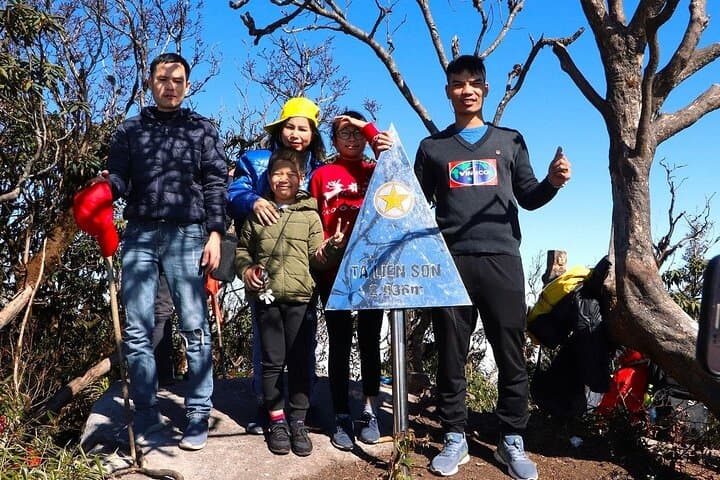
A compact, two-day trek that climbs through ancient mossy forest and maple groves to Ta Lien Son’s 2,996 m summit. Expect steep ascents, seasonal blooms, and an overnight campsite above 2,500 m—ideal for hikers who want a high-elevation, culturally rich experience near Sapa.
A compact, two-day trek that climbs through ancient mossy forest and maple groves to Ta Lien Son’s 2,996 m summit. Expect steep ascents, seasonal blooms, and an overnight campsite above 2,500 m—ideal for hikers who want a high-elevation, culturally rich experience near Sapa.
Dawn arrives like a quiet tide as the bus drops you at Tả Lèng and a motorbike escort threads through misty valleys toward the forest edge. By midmorning the trail narrows and the trees lean in—ancient trunks cloaked in moss, maples flashing color, bamboo groves whispering with the wind. The air here tastes of moss and cold stone; every step climbs into thinner sky.
Verified experiences and guided adventures in the surrounding area.
Operated by Phu Tho Travel · Tả Lèng, Lai Châu
Dawn arrives like a quiet tide as the bus drops you at Tả Lèng and a motorbike escort threads through misty valleys toward the forest edge. By midmorning the trail narrows and the trees lean in—ancient trunks cloaked in moss, maples flashing color, bamboo groves whispering with the wind. The air here tastes of moss and cold stone; every step climbs into thinner sky.
Geologically the Hoang Lien Son massif is young, uplifted by tectonic forces and carved by monsoon rains into steep ridges and deep ravines. Local H’Mong and Dao communities have lived on these slopes for generations; their highland agriculture and seasonal festivals still mark the rhythm of mountain life. Botanically the route is noteworthy—rhododendrons in bloom and rare Chi Pau flowers appear in specific seasons, while maples offer dramatic color in autumn.
Practically, the trek is a compact but serious two-day push: long ascents, exposed ridgelines, and a summit at about 2,996 m. Expect steep switchbacks, muddy sections after rain, and a campsite above 2,500 m where temperatures drop quickly after sunset. Guides provide shelter, sleeping pads and a hot meal, but you should bring sturdy boots, thermal layers, and a reliable rain shell. Hydrate early, pace the ascent to avoid altitude strain, and respect local customs when visiting village stops.
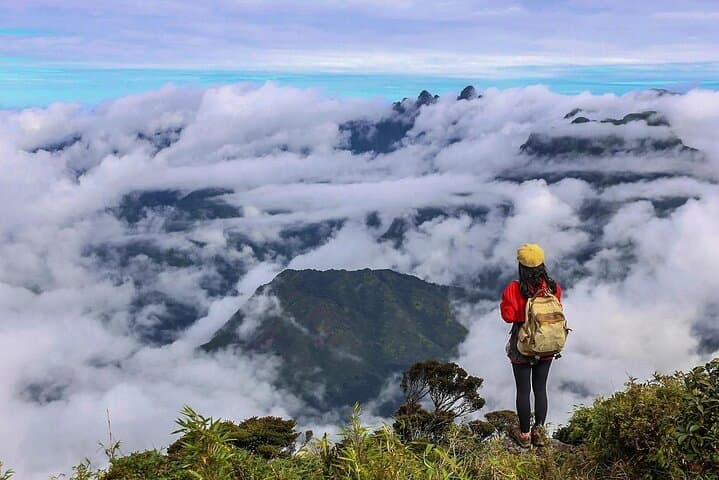
The payoff is precise: a summit above a sea of clouds, rare highland flora close at hand, and the quiet company of sky and stone—an uncluttered, high-elevation trek that rewards preparation as much as curiosity.
challenging.
2 days.
You should have good cardiovascular fitness and experience with full-day mountain hiking; expect long ascents and high-elevation exposure.
The route is steep with sustained climbs to near 3,000 m; it's challenging but non-technical—good fitness and prior day-hiking experience are recommended.
No formal camping experience is required; guides provide tents, sleeping pads and meals, though basic familiarity with sleeping outdoors is helpful.
At nearly 3,000 m some hikers experience mild symptoms—ascend slowly, stay hydrated, and inform guides if you feel unwell.
The tour includes bus/bike transfers from Hanoi to Lai Châu/Sapa, a motorbike transfer to the trailhead, and return transport to Sapa.
The Hoang Lien Son range has long been home to H’Mong and Dao communities; their terraced agriculture and highland customs remain part of the trekking route’s cultural fabric.
This highland ecosystem supports rare alpine flora—follow leave-no-trace practices, avoid campfires, and stick to guided routes to minimize erosion and disturbance.
Phu Tho Travel operates guided outdoor trips and adventures with an emphasis on safety, stewardship, and memorable experiences.
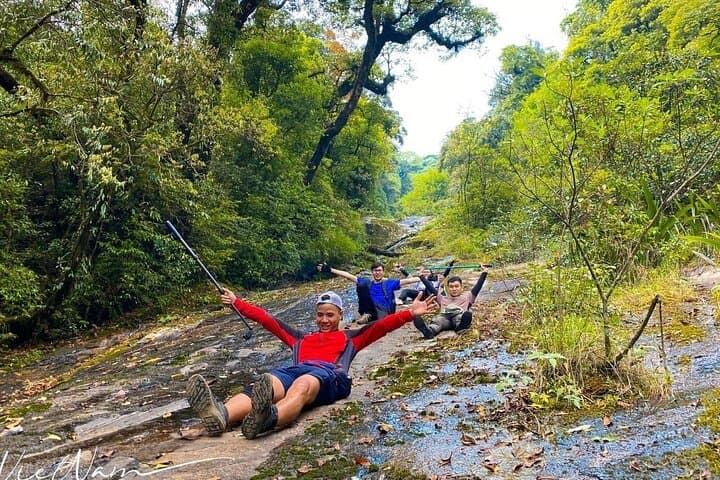
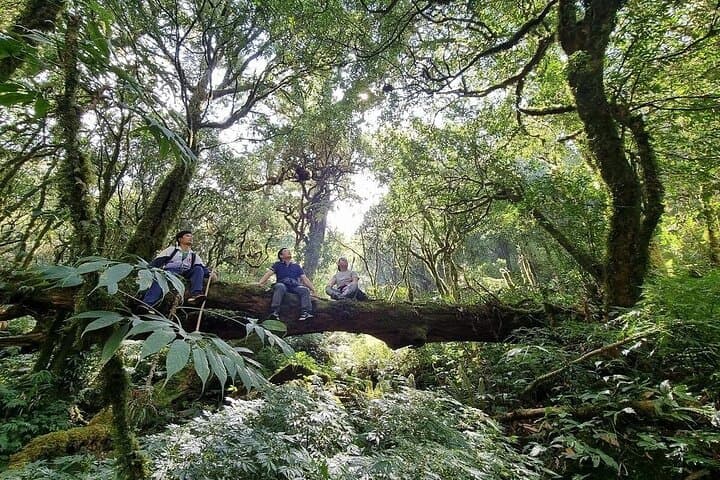
Dawn arrives like a quiet tide as the bus drops you at Tả Lèng and a motorbike escort threads through misty valleys toward the forest edge. By midmorning the trail narrows and the trees lean in—ancient trunks cloaked in moss, maples flashing color, bamboo groves whispering with the wind. The air here tastes of moss and cold stone; every step climbs into thinner sky.
Dawn arrives like a quiet tide as the bus drops you at Tả Lèng and a motorbike escort threads through misty valleys toward the forest edge. By midmorning the trail narrows and the trees lean in—ancient trunks cloaked in moss, maples flashing color, bamboo groves whispering with the wind. The air here tastes of moss and cold stone; every step climbs into thinner sky.
Geologically the Hoang Lien Son massif is young, uplifted by tectonic forces and carved by monsoon rains into steep ridges and deep ravines. Local H’Mong and Dao communities have lived on these slopes for generations; their highland agriculture and seasonal festivals still mark the rhythm of mountain life. Botanically the route is noteworthy—rhododendrons in bloom and rare Chi Pau flowers appear in specific seasons, while maples offer dramatic color in autumn.
Practically, the trek is a compact but serious two-day push: long ascents, exposed ridgelines, and a summit at about 2,996 m. Expect steep switchbacks, muddy sections after rain, and a campsite above 2,500 m where temperatures drop quickly after sunset. Guides provide shelter, sleeping pads and a hot meal, but you should bring sturdy boots, thermal layers, and a reliable rain shell. Hydrate early, pace the ascent to avoid altitude strain, and respect local customs when visiting village stops.
The payoff is precise: a summit above a sea of clouds, rare highland flora close at hand, and the quiet company of sky and stone—an uncluttered, high-elevation trek that rewards preparation as much as curiosity.