THE ADVENTURE COLLECTIVE® · Independent discovery and booking for outdoor travel

A compact, two-day trek that climbs from forest floor to alpine ridgeline, Ta Lien Son rewards hikers with cloud-sea summits and intimate cultural encounters with H’Mong and Dao communities. Expect steep trails, camping at 2,500 m, and rapidly changing weather.
A compact, two-day trek that climbs from forest floor to alpine ridgeline, Ta Lien Son rewards hikers with cloud-sea summits and intimate cultural encounters with H’Mong and Dao communities. Expect steep trails, camping at 2,500 m, and rapidly changing weather.
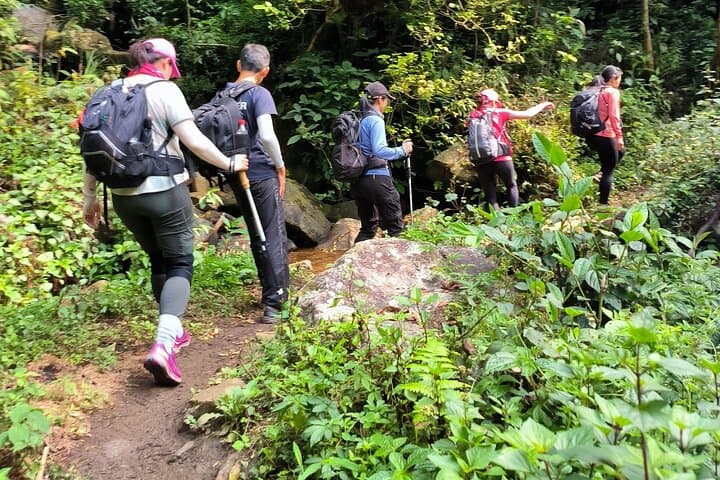
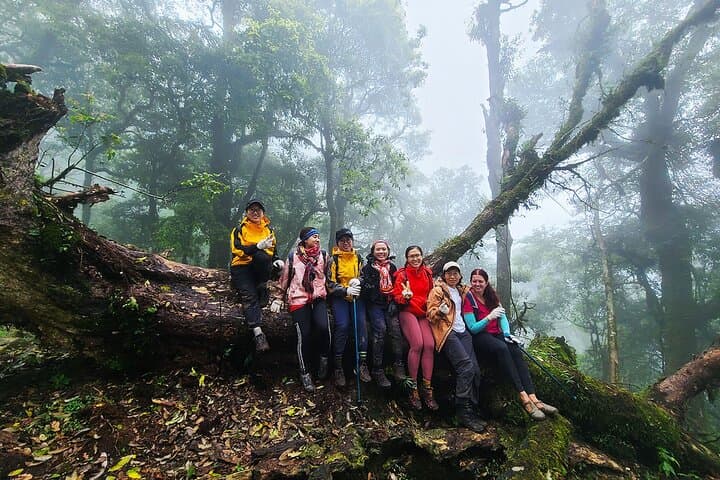
Dawn arrives as a thin ribbon of light through moss-draped branches, and the forest exhales mist that climbs the ridge like a slow tide. Trekkers leave the motorbike scramble at the trailhead and step into a highland world of maples blazing red in fall, bamboo groves whispering with each gust, and rhododendron blooms punctuating the understory.
Verified experiences and guided adventures in the surrounding area.
Operated by Vietnam Cultural Tours · Tả Lèng, Lai Châu
Dawn arrives as a thin ribbon of light through moss-draped branches, and the forest exhales mist that climbs the ridge like a slow tide. Trekkers leave the motorbike scramble at the trailhead and step into a highland world of maples blazing red in fall, bamboo groves whispering with each gust, and rhododendron blooms punctuating the understory.
Geologically, Ta Lien Son sits on the Hoang Lien Son massif, sculpted by uplift and erosion into steep ridges and deep valleys; soils are acidic and support an array of montane forest communities. The human story here is close: Dao and H’Mong villages have practiced terraced agriculture and upland trade for centuries, and local guides share oral histories while boiling highland tea beside the campsite.
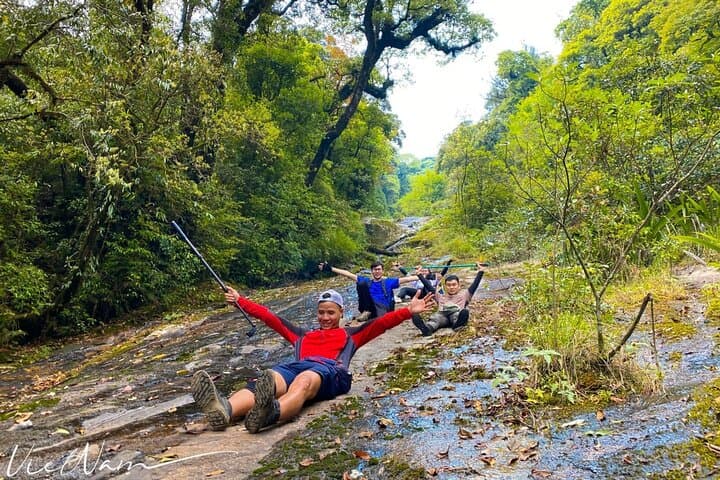
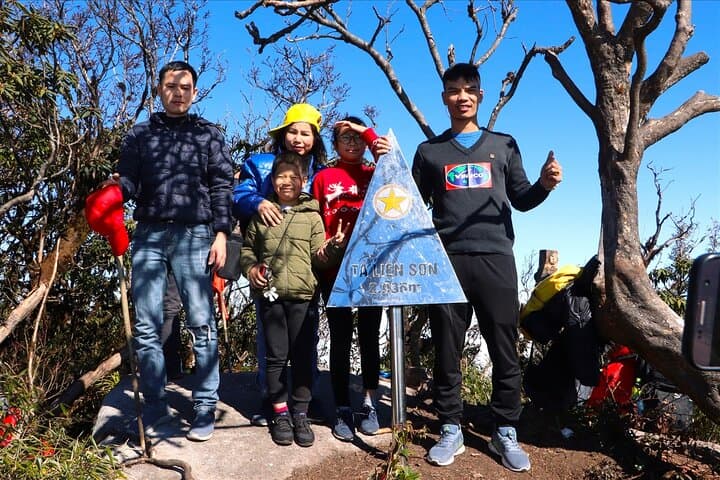
Expect two days of steady climbing—forest tracks, rooty switchbacks and occasional steep scrambles—culminating at 2,996 m where the summit often rises above a sea of clouds. Night one is in tents at ~2,500 m with basic facilities; morning two is an early push to the peak and a long descent back to the road.
Practical guidance: acclimate in Sapa for a night if you’re sensitive to altitude, pack layered insulation and a reliable rain shell, and rely on the provided porter service for heavy loads while keeping a daypack for water, snacks, and camera. Plan for rapid weather shifts—cold, wind, and sun can arrive in the same hour—so manage layers and pace. This trek rewards endurance with expansive highland views and close cultural exchanges that linger longer than the footprints left on the trail.
challenging.
2 days.
Recommended for hikers with good cardiovascular fitness and prior multi-day trekking experience; comfortable with steep ascents and uneven terrain.
The route includes sustained uphill sections with some steep and rooty terrain; the trek is guided and suitable for fit hikers but classified as challenging due to elevation and gradient.
Yes—at nearly 3,000 m symptoms are possible; allow time in Sapa to acclimate, stay hydrated, and communicate any symptoms to the guide immediately.
You’ll camp in two-person tents at a basic mountain campsite with sleeping pads, sleeping bags, and pillows provided; toilet options are rudimentary—plan accordingly.
The organized tour handles local permissions and transport; independent trekkers should check with local authorities or guides for required permits in Lai Châu province.
The Hoang Lien Son highlands are traditional homelands of H’Mong and Dao groups; trails historically linked upland villages and seasonal grazing areas.
High-elevation forests are fragile—stay on established trails, pack out waste, and follow guide instructions to minimize erosion and disturbance.
Vietnam Cultural Tours operates guided outdoor trips and adventures with an emphasis on safety, stewardship, and memorable experiences.
Dawn arrives as a thin ribbon of light through moss-draped branches, and the forest exhales mist that climbs the ridge like a slow tide. Trekkers leave the motorbike scramble at the trailhead and step into a highland world of maples blazing red in fall, bamboo groves whispering with each gust, and rhododendron blooms punctuating the understory.
Dawn arrives as a thin ribbon of light through moss-draped branches, and the forest exhales mist that climbs the ridge like a slow tide. Trekkers leave the motorbike scramble at the trailhead and step into a highland world of maples blazing red in fall, bamboo groves whispering with each gust, and rhododendron blooms punctuating the understory.
Geologically, Ta Lien Son sits on the Hoang Lien Son massif, sculpted by uplift and erosion into steep ridges and deep valleys; soils are acidic and support an array of montane forest communities. The human story here is close: Dao and H’Mong villages have practiced terraced agriculture and upland trade for centuries, and local guides share oral histories while boiling highland tea beside the campsite.
Expect two days of steady climbing—forest tracks, rooty switchbacks and occasional steep scrambles—culminating at 2,996 m where the summit often rises above a sea of clouds. Night one is in tents at ~2,500 m with basic facilities; morning two is an early push to the peak and a long descent back to the road.
Practical guidance: acclimate in Sapa for a night if you’re sensitive to altitude, pack layered insulation and a reliable rain shell, and rely on the provided porter service for heavy loads while keeping a daypack for water, snacks, and camera. Plan for rapid weather shifts—cold, wind, and sun can arrive in the same hour—so manage layers and pace. This trek rewards endurance with expansive highland views and close cultural exchanges that linger longer than the footprints left on the trail.