THE ADVENTURE COLLECTIVE® · Independent discovery and booking for outdoor travel

Scale Tà Chì Nhù in a compact two-day trek from Hanoi that pairs remote village homestays, a night under the stars, and a pre-dawn summit for sunrise above a sea of clouds. Practical support and hot springs at trip end make this a concentrated highland adventure.
Scale Tà Chì Nhù in a compact two-day trek from Hanoi that pairs remote village homestays, a night under the stars, and a pre-dawn summit for sunrise above a sea of clouds. Practical support and hot springs at trip end make this a concentrated highland adventure.
A cold, thin wind meets trekkers before dawn as headlamps cut ribbons of light across open hillside. On night one the group sleeps under stars near Trạm Tấu, waking before the sky softens to begin a shoulder-to-shoulder ascent that pushes above tree line into a world of grass, bamboo and exposed ridgelines.
Verified experiences and guided adventures in the surrounding area.
Operated by Local Tours SAPA · Trạm Tấu, Yên Bái
A cold, thin wind meets trekkers before dawn as headlamps cut ribbons of light across open hillside. On night one the group sleeps under stars near Trạm Tấu, waking before the sky softens to begin a shoulder-to-shoulder ascent that pushes above tree line into a world of grass, bamboo and exposed ridgelines.
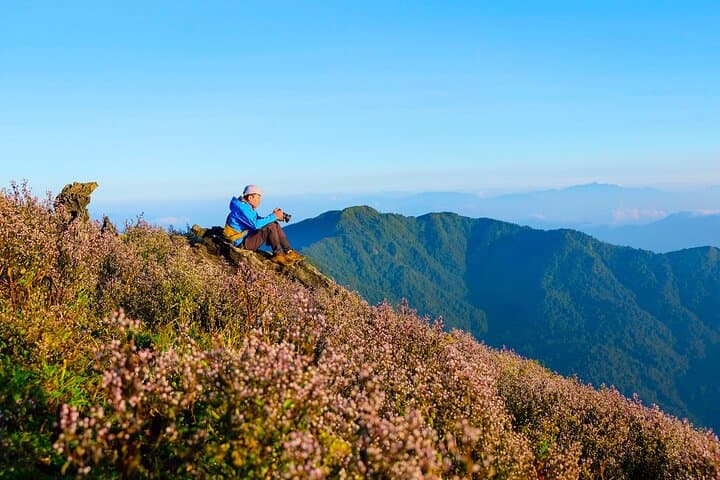
Tà Chì Nhù sits in Yên Bái province, a highland massif shaped by tectonic uplift and erosive monsoon rains. The slopes are carved into rice terraces by Hmong and Thai communities; their fields and hill tracks still determine the routes guides use. Geologically, the mountain is steep and grassy rather than rocky—rain and frost rearrange the surface seasonally—so the route alternates gentle switchbacks with steeper open hills on the final push to the summit.
Culturally, the trip is as much about local life as the summit: homestays, simple mountain cooking by Hmong hosts, and hot mineral baths in Trạm Tấu are part of the itinerary.
Practical guidance: plan for a 2‑day itinerary with a nighttime final ascent, expect cold pre-dawn conditions and variable footing. The climb includes long uphill sections, bamboo groves, and exposed ridgelines; good boots, layered insulation, and a reliable headlamp are essential. Hydrate and keep snacks accessible—the support ratio includes porters and a guide, but personal pacing matters. Leave no trace: pack out waste, follow your guide’s route choices, and prioritize safety on steep, icy mornings. With preparation, the sunrise above a sea of clouds rewards the effort with expansive views of northern Vietnam’s highlands.
moderate.
2 days.
Good aerobic fitness with experience on sustained uphill sections; able to carry a daypack and move 6–8 hours on hilly terrain.
The route is steep in sections but non-technical; expect several hours of steady ascent—suitable for hikers in regular fitness who take breaks as needed.
Tà Chì Nhù is not extremely high compared to major alpine peaks; most visitors do not experience severe altitude sickness, but those sensitive to elevation should monitor symptoms and pace themselves.
The trip includes two breakfasts, two lunches and two dinners, a dormitory homestay night and a campsite night with tents and basic bedding; a private chef and support team prepare meals.
Travel insurance is included, but travelers with spinal, heart conditions or pregnancy are advised not to join; consult your doctor if you have health concerns.
The highland lanes are shaped by Hmong and Thai agricultural practices; terraced fields and village trails reflect generations of subsistence farming and seasonal migration.
Stick to established trails, pack out all waste, and support local guides—these measures reduce erosion and protect fragile highland vegetation.
Local Tours SAPA operates guided outdoor trips and adventures with an emphasis on safety, stewardship, and memorable experiences.
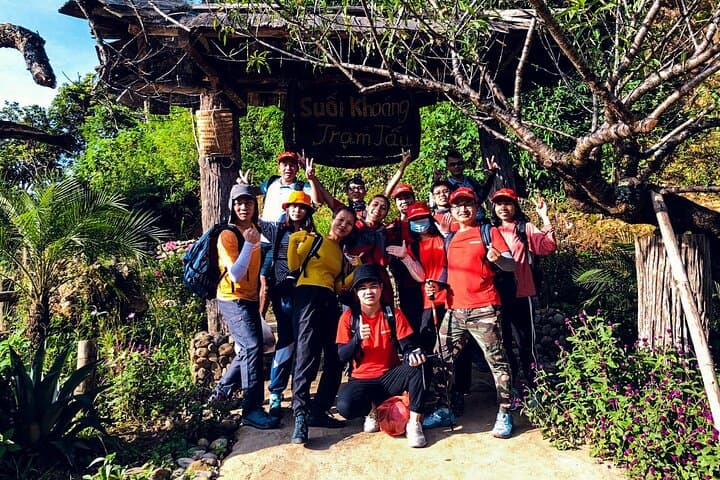
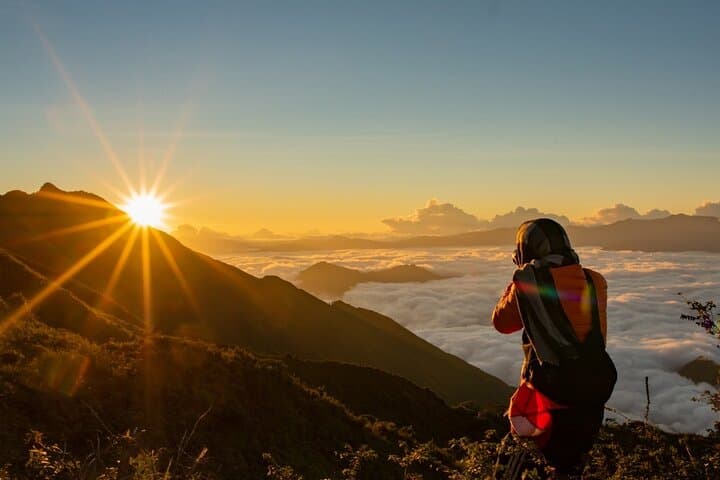
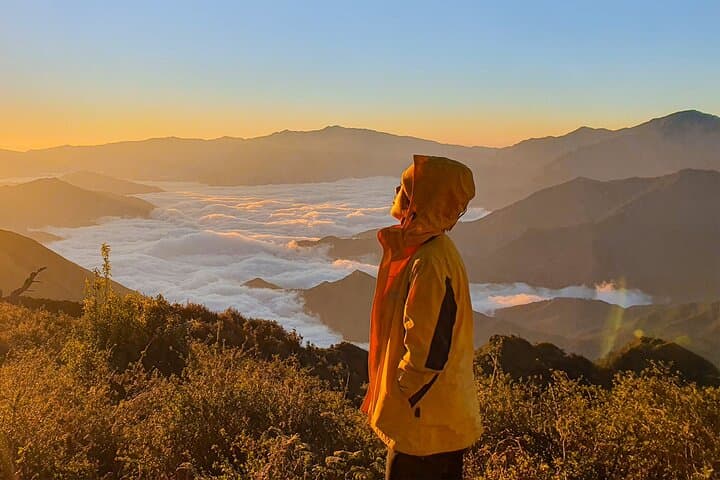
A cold, thin wind meets trekkers before dawn as headlamps cut ribbons of light across open hillside. On night one the group sleeps under stars near Trạm Tấu, waking before the sky softens to begin a shoulder-to-shoulder ascent that pushes above tree line into a world of grass, bamboo and exposed ridgelines.
A cold, thin wind meets trekkers before dawn as headlamps cut ribbons of light across open hillside. On night one the group sleeps under stars near Trạm Tấu, waking before the sky softens to begin a shoulder-to-shoulder ascent that pushes above tree line into a world of grass, bamboo and exposed ridgelines.
Tà Chì Nhù sits in Yên Bái province, a highland massif shaped by tectonic uplift and erosive monsoon rains. The slopes are carved into rice terraces by Hmong and Thai communities; their fields and hill tracks still determine the routes guides use. Geologically, the mountain is steep and grassy rather than rocky—rain and frost rearrange the surface seasonally—so the route alternates gentle switchbacks with steeper open hills on the final push to the summit.
Culturally, the trip is as much about local life as the summit: homestays, simple mountain cooking by Hmong hosts, and hot mineral baths in Trạm Tấu are part of the itinerary.
Practical guidance: plan for a 2‑day itinerary with a nighttime final ascent, expect cold pre-dawn conditions and variable footing. The climb includes long uphill sections, bamboo groves, and exposed ridgelines; good boots, layered insulation, and a reliable headlamp are essential. Hydrate and keep snacks accessible—the support ratio includes porters and a guide, but personal pacing matters. Leave no trace: pack out waste, follow your guide’s route choices, and prioritize safety on steep, icy mornings. With preparation, the sunrise above a sea of clouds rewards the effort with expansive views of northern Vietnam’s highlands.