THE ADVENTURE COLLECTIVE® · Independent discovery and booking for outdoor travel

A full-day 4x4 circuit around São Tomé that combines short hikes, cocoa plantations, volcanic coastlines and a walk to the equator marker. Expect beach time, cultural stops and a mix of easy walking on sandy and rocky terrain.
A full-day 4x4 circuit around São Tomé that combines short hikes, cocoa plantations, volcanic coastlines and a walk to the equator marker. Expect beach time, cultural stops and a mix of easy walking on sandy and rocky terrain.
You meet your guide at 8:30 a.m. in the hotel lobby and slide into an air-conditioned 4x4 as the city loosens from sleep. The road peels away from São Tomé’s low-rise colonial facades into a landscape that alternates between jungle-swathed ridges and black volcanic headlands. The vehicle bumps and hums, windows down, a warm trade wind pressing salt and the bright scent of cocoa into the cabin. Your first stop is the Abade River, where women still wash clothes in the current — an unposed, persistent rhythm that makes for quiet, human-scale photos.
Verified experiences and guided adventures in the surrounding area.
Operated by sipson tours stp · São Tomé, São Tomé and Príncipe
You meet your guide at 8:30 a.m. in the hotel lobby and slide into an air-conditioned 4x4 as the city loosens from sleep. The road peels away from São Tomé’s low-rise colonial facades into a landscape that alternates between jungle-swathed ridges and black volcanic headlands. The vehicle bumps and hums, windows down, a warm trade wind pressing salt and the bright scent of cocoa into the cabin. Your first stop is the Abade River, where women still wash clothes in the current — an unposed, persistent rhythm that makes for quiet, human-scale photos.
The day is stitched from contrasts: the faded pastel colonial houses of Santana, small cocoa plantations where pod husks scatter like fallen lanterns, and a gallery where artists rework plastic into sculpture. A short hike brings you to outcrops of volcanic rock—jagged geometry that absorbs heat and frames the ocean like a stony jaw. At Micondó beach you can slip into the warm water; the shore invites surfers in certain months and offers tidepools and a chance to cool down before you climb again.
Geology here is recent and blunt: basalt flows and coastal lava margins carved by surf in the island’s volcanic youth. The cultural story is closely tied to that geology—fertile volcanic soils helped make São Tomé a center for cocoa plantations under Portuguese colonial rule, and traces of that era remain in plantation houses, drying yards, and the layout of rural villages.
Practicalities matter on a full-day loop that lasts roughly 7–8 hours. Expect mostly low-elevation walking—sandy trails, rocky shorelines, and short plantation paths—with one longer 120-minute walk to the equator marker where you can stand with a foot in each hemisphere. Wear grippy shoes for volcanic rock, bring a refillable water bottle (water is supplied, but carrying one is easier), and plan for sun: shade can be sparse between stops. Guides adjust the route if you want a sit-down lunch; let them know at booking if you prefer a longer beach stop or the optional mangrove visit to look for monkeys and endemic birds.
Logistics are straightforward: pickup from most hotels, private transport, and bottled water provided. The tour suits travelers of average fitness and is a good intro to São Tomé’s coast and culture without long technical sections. Bring cash for small purchases and modest tips, and ask before photographing people in villages—the local hospitality is genuine and often photographic-friendly once permission is given.
By late afternoon you return to São Tomé with sand in your shoes, a pocket full of impressions—cocoa aromas, basalt shapes, and the small ceremony of the equator—knowing you’ve seen a cross-section of an island that still surprises at every turn.
moderate.
7–8 hours.
Suitable for travelers in average shape who can walk up to two hours total on uneven ground.
Pickup is typically at 8:30 a.m. from your hotel and returns around 6:00 p.m., depending on stops and traffic.
Yes—infants can ride in strollers and infant seats are available; let the operator know at booking.
Most stops are short walks; expect one longer 120-minute walk to the equator marker and shorter 10–60 minute walks at other sites.
Lunch is not included by default; the itinerary can be adjusted to include lunch at an extra cost—inform your guide in advance.
Pickup is available from most hotels; confirm your exact pickup point when booking and be at reception 15 minutes before departure.
Guides commonly speak Portuguese and English; confirm language needs when booking if you require another language.
São Tomé’s landscape and land use were shaped by Portuguese colonial cocoa plantations; colonial houses and drying yards echo that agricultural past.
Coastal and mangrove habitats are fragile; avoid disturbing wildlife, use reef-safe sunscreen, and minimize single-use plastics to protect shorelines and bird habitat.
sipson tours stp operates guided outdoor trips and adventures with an emphasis on safety, stewardship, and memorable experiences.
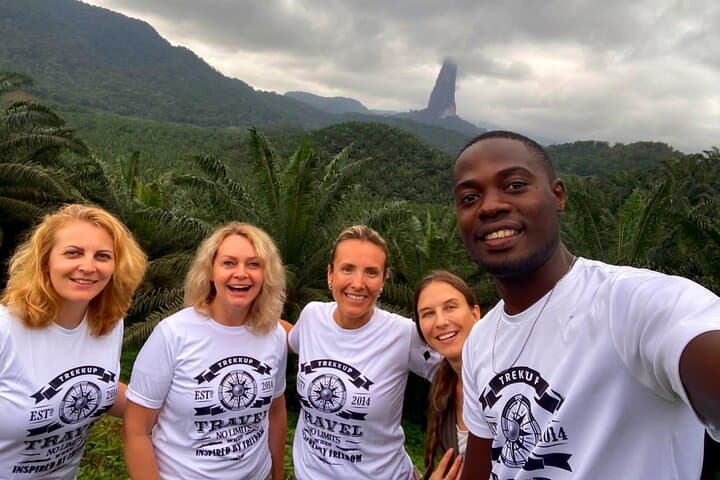
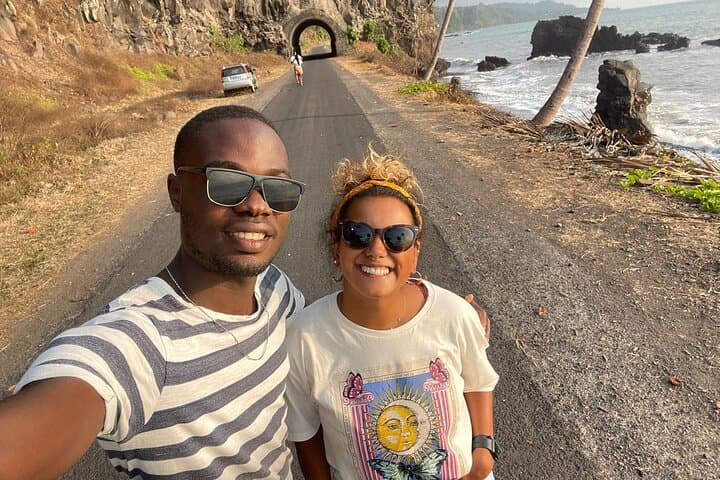
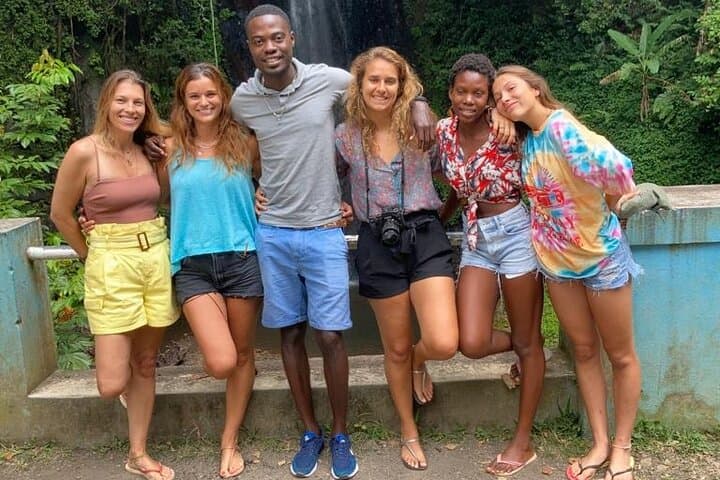
You meet your guide at 8:30 a.m. in the hotel lobby and slide into an air-conditioned 4x4 as the city loosens from sleep. The road peels away from São Tomé’s low-rise colonial facades into a landscape that alternates between jungle-swathed ridges and black volcanic headlands. The vehicle bumps and hums, windows down, a warm trade wind pressing salt and the bright scent of cocoa into the cabin. Your first stop is the Abade River, where women still wash clothes in the current — an unposed, persistent rhythm that makes for quiet, human-scale photos.
You meet your guide at 8:30 a.m. in the hotel lobby and slide into an air-conditioned 4x4 as the city loosens from sleep. The road peels away from São Tomé’s low-rise colonial facades into a landscape that alternates between jungle-swathed ridges and black volcanic headlands. The vehicle bumps and hums, windows down, a warm trade wind pressing salt and the bright scent of cocoa into the cabin. Your first stop is the Abade River, where women still wash clothes in the current — an unposed, persistent rhythm that makes for quiet, human-scale photos.
The day is stitched from contrasts: the faded pastel colonial houses of Santana, small cocoa plantations where pod husks scatter like fallen lanterns, and a gallery where artists rework plastic into sculpture. A short hike brings you to outcrops of volcanic rock—jagged geometry that absorbs heat and frames the ocean like a stony jaw. At Micondó beach you can slip into the warm water; the shore invites surfers in certain months and offers tidepools and a chance to cool down before you climb again.
Geology here is recent and blunt: basalt flows and coastal lava margins carved by surf in the island’s volcanic youth. The cultural story is closely tied to that geology—fertile volcanic soils helped make São Tomé a center for cocoa plantations under Portuguese colonial rule, and traces of that era remain in plantation houses, drying yards, and the layout of rural villages.
Practicalities matter on a full-day loop that lasts roughly 7–8 hours. Expect mostly low-elevation walking—sandy trails, rocky shorelines, and short plantation paths—with one longer 120-minute walk to the equator marker where you can stand with a foot in each hemisphere. Wear grippy shoes for volcanic rock, bring a refillable water bottle (water is supplied, but carrying one is easier), and plan for sun: shade can be sparse between stops. Guides adjust the route if you want a sit-down lunch; let them know at booking if you prefer a longer beach stop or the optional mangrove visit to look for monkeys and endemic birds.
Logistics are straightforward: pickup from most hotels, private transport, and bottled water provided. The tour suits travelers of average fitness and is a good intro to São Tomé’s coast and culture without long technical sections. Bring cash for small purchases and modest tips, and ask before photographing people in villages—the local hospitality is genuine and often photographic-friendly once permission is given.
By late afternoon you return to São Tomé with sand in your shoes, a pocket full of impressions—cocoa aromas, basalt shapes, and the small ceremony of the equator—knowing you’ve seen a cross-section of an island that still surprises at every turn.