THE ADVENTURE COLLECTIVE® · Independent discovery and booking for outdoor travel

A private shore excursion that stitches together Syracuse’s Greek roots, Ortigia’s seaside charm, and Noto’s Baroque grandeur. Ideal for cruise passengers wanting a compact, guided introduction to southeastern Sicily with minimal walking and maximum cultural payoff.
A private shore excursion that stitches together Syracuse’s Greek roots, Ortigia’s seaside charm, and Noto’s Baroque grandeur. Ideal for cruise passengers wanting a compact, guided introduction to southeastern Sicily with minimal walking and maximum cultural payoff.
You step from the quay into a sunlit harbor where the Ionian Sea dares you to slow down; fishing boats bob and the scent of frying street food threads between baroque facades. The mini-van eases away from the port and soon Ortigia’s seafront opens—narrow alleys, fountain water that has been whispering stories since antiquity, and storefronts offering cheeses and granita.
Verified experiences and guided adventures in the surrounding area.
Operated by Sicily Best Tour · Syracuse, Sicily
You step from the quay into a sunlit harbor where the Ionian Sea dares you to slow down; fishing boats bob and the scent of frying street food threads between baroque facades. The mini-van eases away from the port and soon Ortigia’s seafront opens—narrow alleys, fountain water that has been whispering stories since antiquity, and storefronts offering cheeses and granita.
This private shore excursion threads three historical layers: the Greek sanctity of Neapolis with its cliffside theater and limestone quarries, Ortigia’s continuous urban life from Greek temple ruins to a lively fish market, and Noto’s 18th-century Baroque rebirth after the 1693 earthquake. Geologically, the coastline and crags are sculpted from calcarenite and limestone—soft stone that yields ornate balconies and carved doorways. Culturally, street food and local markets are as much a monument as any cathedral: arancini, pane cunzato, and freshly pressed olive oil are regional signatures.
Expect guided stops rather than deep archaeological excavation—this tour is curated for context and convenience with a bilingual driver-guide. Walks are on cobbles and short interior streets; minimal but steady on-your-feet time is required. Plan mornings or late afternoons to avoid high sun, bring breathable layers for coastal breezes, and allow time to taste market snacks between monuments. The driver handles logistics and transfers; you handle pacing and curiosity. In six to eight hours you’ll leave with a clear timeline of Sicily’s classical roots, Baroque revival, and the modern culinary impulses that keep these towns alive.
moderate.
4–8 hours.
Moderate fitness: able to stand and walk for short stretches across cobble and uneven surfaces; not recommended for those with severe mobility limits.
No—this private tour provides guided stops and commentary; site admissions are typically not included and should be purchased on-site if required.
Walking is kept to short, focused stretches (markets, cathedral interiors, and archaeological viewpoints) but expect up to a few hours of on-foot exploration spread across the day.
Yes—the operator offers pickup next to your ship and drop-off, but you must provide accurate tender or docking times at booking and allow buffer time.
Infants and small children can be accommodated; however, many streets are narrow and cobbled, so strollers may be awkward in some areas.
Syracuse was a major Greek polis whose archaeological remains—especially the Neapolis theater and quarries—record centuries of Hellenic influence; Noto was rebuilt in late Baroque style after the 1693 earthquake.
Tourism concentrates on fragile limestone streets and historic facades—follow marked paths, avoid touching carved stone, and support locally owned vendors to keep economic benefits local.
Sicily Best Tour operates guided outdoor trips and adventures with an emphasis on safety, stewardship, and memorable experiences.
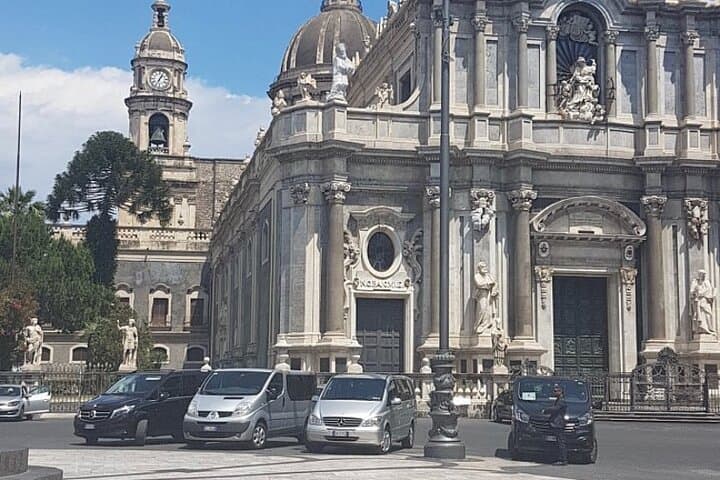
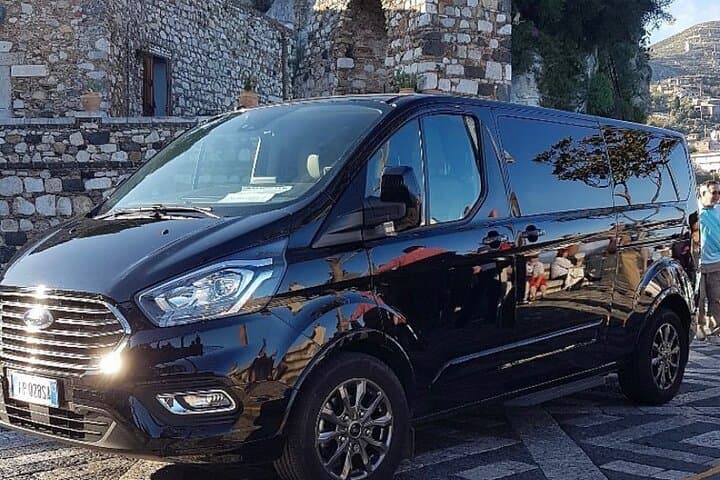
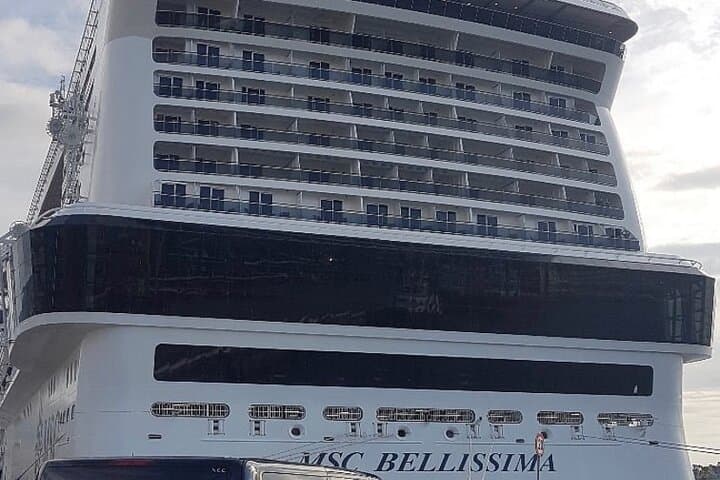
You step from the quay into a sunlit harbor where the Ionian Sea dares you to slow down; fishing boats bob and the scent of frying street food threads between baroque facades. The mini-van eases away from the port and soon Ortigia’s seafront opens—narrow alleys, fountain water that has been whispering stories since antiquity, and storefronts offering cheeses and granita.
You step from the quay into a sunlit harbor where the Ionian Sea dares you to slow down; fishing boats bob and the scent of frying street food threads between baroque facades. The mini-van eases away from the port and soon Ortigia’s seafront opens—narrow alleys, fountain water that has been whispering stories since antiquity, and storefronts offering cheeses and granita.
This private shore excursion threads three historical layers: the Greek sanctity of Neapolis with its cliffside theater and limestone quarries, Ortigia’s continuous urban life from Greek temple ruins to a lively fish market, and Noto’s 18th-century Baroque rebirth after the 1693 earthquake. Geologically, the coastline and crags are sculpted from calcarenite and limestone—soft stone that yields ornate balconies and carved doorways. Culturally, street food and local markets are as much a monument as any cathedral: arancini, pane cunzato, and freshly pressed olive oil are regional signatures.
Expect guided stops rather than deep archaeological excavation—this tour is curated for context and convenience with a bilingual driver-guide. Walks are on cobbles and short interior streets; minimal but steady on-your-feet time is required. Plan mornings or late afternoons to avoid high sun, bring breathable layers for coastal breezes, and allow time to taste market snacks between monuments. The driver handles logistics and transfers; you handle pacing and curiosity. In six to eight hours you’ll leave with a clear timeline of Sicily’s classical roots, Baroque revival, and the modern culinary impulses that keep these towns alive.