THE ADVENTURE COLLECTIVE® · Independent discovery and booking for outdoor travel

A two-hour coastal boat trip from Ortigia that pairs short snorkeling stops with passages through limestone sea caves. Expect swims beneath stalactite-hemmed caverns, close-up views of Maniace Castle and a brisk, informative run along Syracuse’s historic shoreline.
A two-hour coastal boat trip from Ortigia that pairs short snorkeling stops with passages through limestone sea caves. Expect swims beneath stalactite-hemmed caverns, close-up views of Maniace Castle and a brisk, informative run along Syracuse’s historic shoreline.
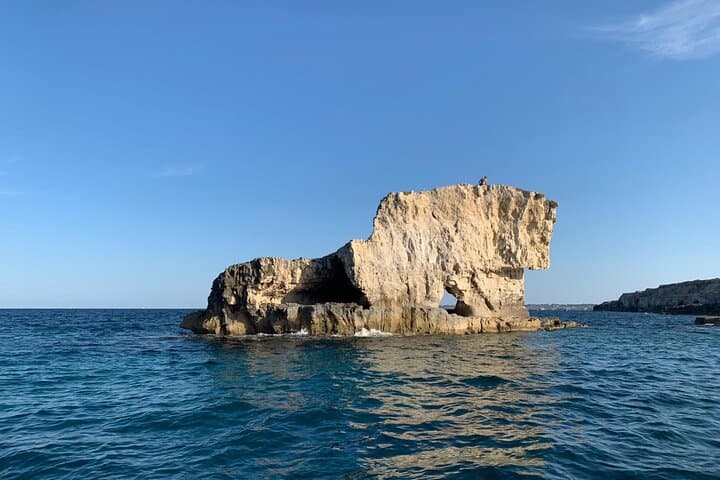
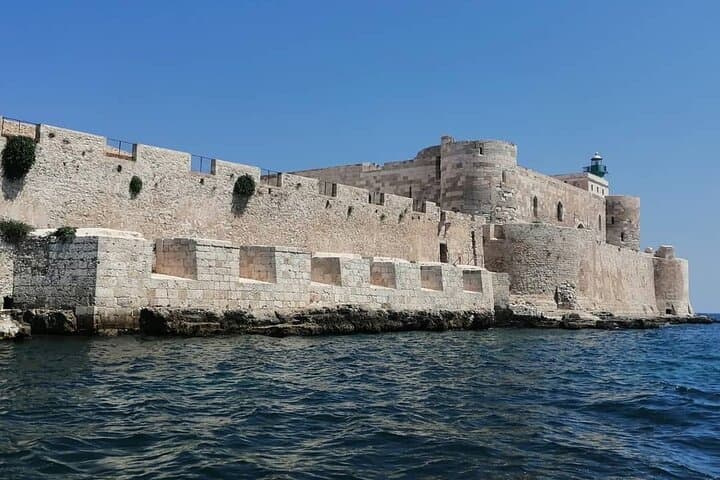
A low-slung boat slips out from the quay and the port of Syracuse unravels: the fountain of Arethusa glints, the crenellated profile of Maniace Castle marks the harbor mouth, and the city’s sun-baked limestone cliffs slide past as you head north along Ortigia’s coast. Salt air and the skiff’s idle hum set the rhythm; within minutes the skipper eases into a shallow cove and the first swim stop cools sun-warmed skin.
Verified experiences and guided adventures in the surrounding area.
Operated by ORTIGIA ISLAND EXCURSION S.R.L. UNINOMINALE · Syracuse, Sicily
A low-slung boat slips out from the quay and the port of Syracuse unravels: the fountain of Arethusa glints, the crenellated profile of Maniace Castle marks the harbor mouth, and the city’s sun-baked limestone cliffs slide past as you head north along Ortigia’s coast. Salt air and the skiff’s idle hum set the rhythm; within minutes the skipper eases into a shallow cove and the first swim stop cools sun-warmed skin.
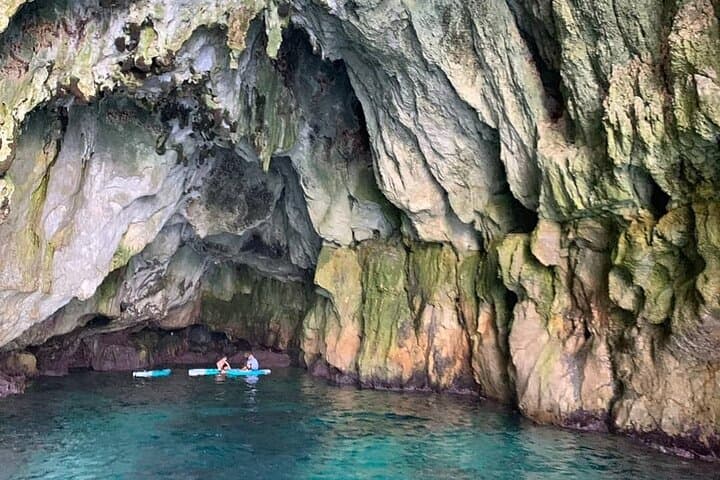
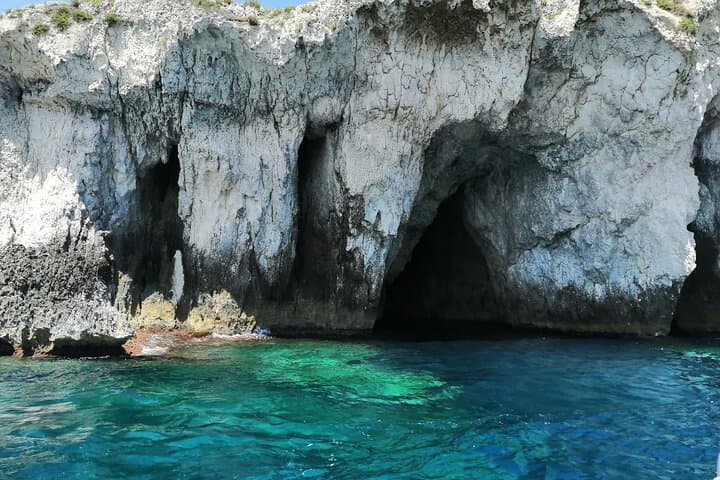
This two-hour coastal run visits small caverns cut into Miocene limestone — the capuchin cave, the coral cave and the larger stalactite cave — where gently sculpted ceilings drip and refract light into blue-green pools. Syracuse itself is layered history: a major Greek polis, later Roman and medieval power, and Ortigia’s shoreline still bears the ruins and fortifications that chart those eras.
Geologically, the caves are limestone solution features with pockets of fossilized coral; follow the guide’s cues and you’ll see structural seams and marine life clinging to shaded walls. Culturally, the route offers a fast, sensory taste of Siracusa’s maritime identity — fishermen’s boats, citrus vendors, and the castle that once guarded this strategic inlet.
Practical guidance: arrive with a towel, reef-safe sunscreen and basic snorkeling comfort. Morning departures bring calmer seas and clearer water; small groups (up to 15) make for quick transitions between swim stops. Operators typically provide masks and snorkels; know that weather can cancel the trip, and cancellations are refundable at least 24 hours prior. Keep distance from stalactites and avoid kicking reefs — the caves are delicate and worth protecting for the next visitor.
easy.
2 hours.
Suitable for most people with basic mobility; participants should be comfortable getting on and off a small boat and able to swim short distances.
Yes — most operators include basic snorkeling gear, though personal masks often fit better and are recommended.
Stops are generally in shallow coves (1–4 meters) suitable for surface snorkeling; guides will point out deeper features from the boat.
The excursion is marketed as suitable for all fitness levels, but non-swimmers should remain aboard or use provided flotation and stay near guides during water stops.
Trips are typically canceled for rough seas; this operator offers a full refund if canceled due to weather, with a 24-hour standard refund window for other cancellations.
Syracuse was a major Greek city-state; Ortigia is the island core where classical temples, medieval walls and the 13th-century Maniace Castle mark centuries of maritime strategy.
Boaters and swimmers should use reef-safe sunscreen, avoid touching cave formations or marine life, and follow skipper guidance to minimize disturbance to fragile habitats.
ORTIGIA ISLAND EXCURSION S.R.L. UNINOMINALE operates guided outdoor trips and adventures with an emphasis on safety, stewardship, and memorable experiences.
A low-slung boat slips out from the quay and the port of Syracuse unravels: the fountain of Arethusa glints, the crenellated profile of Maniace Castle marks the harbor mouth, and the city’s sun-baked limestone cliffs slide past as you head north along Ortigia’s coast. Salt air and the skiff’s idle hum set the rhythm; within minutes the skipper eases into a shallow cove and the first swim stop cools sun-warmed skin.
A low-slung boat slips out from the quay and the port of Syracuse unravels: the fountain of Arethusa glints, the crenellated profile of Maniace Castle marks the harbor mouth, and the city’s sun-baked limestone cliffs slide past as you head north along Ortigia’s coast. Salt air and the skiff’s idle hum set the rhythm; within minutes the skipper eases into a shallow cove and the first swim stop cools sun-warmed skin.
This two-hour coastal run visits small caverns cut into Miocene limestone — the capuchin cave, the coral cave and the larger stalactite cave — where gently sculpted ceilings drip and refract light into blue-green pools. Syracuse itself is layered history: a major Greek polis, later Roman and medieval power, and Ortigia’s shoreline still bears the ruins and fortifications that chart those eras.
Geologically, the caves are limestone solution features with pockets of fossilized coral; follow the guide’s cues and you’ll see structural seams and marine life clinging to shaded walls. Culturally, the route offers a fast, sensory taste of Siracusa’s maritime identity — fishermen’s boats, citrus vendors, and the castle that once guarded this strategic inlet.
Practical guidance: arrive with a towel, reef-safe sunscreen and basic snorkeling comfort. Morning departures bring calmer seas and clearer water; small groups (up to 15) make for quick transitions between swim stops. Operators typically provide masks and snorkels; know that weather can cancel the trip, and cancellations are refundable at least 24 hours prior. Keep distance from stalactites and avoid kicking reefs — the caves are delicate and worth protecting for the next visitor.