THE ADVENTURE COLLECTIVE® · Independent discovery and booking for outdoor travel

Spend a full day moving from the Greek and Roman ruins of Syracuse to the sunlit baroque avenues of Noto. This guided excursion combines open-air archaeology, island streets and Sicilian flavors across 6–8 hours.
Spend a full day moving from the Greek and Roman ruins of Syracuse to the sunlit baroque avenues of Noto. This guided excursion combines open-air archaeology, island streets and Sicilian flavors across 6–8 hours.
Morning light cuts across the Ionian Sea as the minivan pulls into Ortigia and the island seems to wake for the thousandth day. You step onto stone streets worn smooth by traders, fishermen and generations of festival crowds; gulls wheel above the cathedral’s ornate facade while the sea keeps time against the quay.
Verified experiences and guided adventures in the surrounding area.
Operated by lemontour · Syracuse, Sicily
Morning light cuts across the Ionian Sea as the minivan pulls into Ortigia and the island seems to wake for the thousandth day. You step onto stone streets worn smooth by traders, fishermen and generations of festival crowds; gulls wheel above the cathedral’s ornate facade while the sea keeps time against the quay.
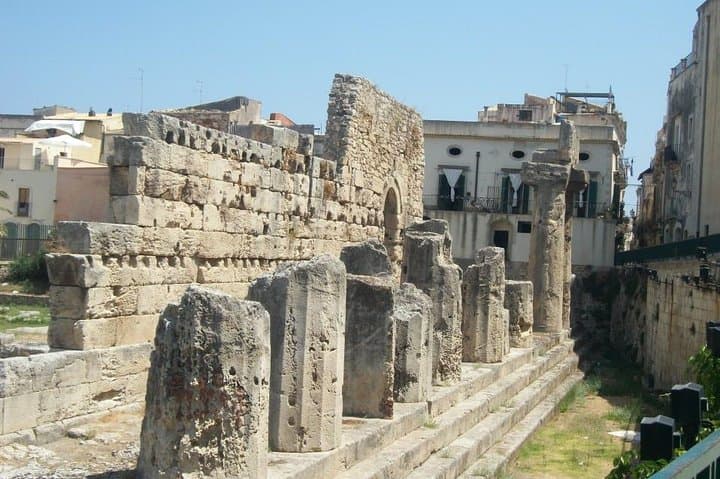
This day excursion stitches two UNESCO-listed chapters of Sicilian history: Syracuse’s layers of Greek, Roman and Byzantine ruins in the Archaeological Park of Neapolis and the compact, golden-brown baroque of Noto — called the “stone garden” for its carved palaces and churches. Geologically, the coastline is driven by limestone and calcareous sandstone; erosion and seismic shifts shaped the sea cliffs and the soft stone that later allowed sculpted facades to bloom in the seventeenth and eighteenth centuries.
Culturally, expect a Mediterranean rhythm: espresso stops, markets with citrus and almond pastries, and craftsmen working in narrow alleys. The guide-led route typically includes the Greek theatre, the Latomie and Ear of Dionysius, a walking loop of Ortigia’s cathedral square, and a relaxed stroll through Noto’s main Corso — approximately 7–10 km of on-foot exploration spread over the day.
Practicalities: this is a full-day outing (6–8 hours) with hotel pickup in Catania. Admissions to some sites may not be included; bring cash or card. Wear sturdy shoes for cobbles, carry sun protection and water, and plan for crowds in high season. The pace is moderate — historic detail balanced with room to pause and listen to the city.
easy.
6–8 hours.
Suitable for travelers comfortable with 7–10 km of walking on mostly flat but uneven surfaces; casual fitness and steady mobility required.
Some parts of the Archaeological Park may not be included; check the tour details and carry a payment method for optional entrances.
Most departures include pickup/drop-off in Catania and return to the original meeting point; confirm your pickup when booking.
The tour notes indicate stroller accessibility and infant seats available, but some cobbled streets and archaeological areas are uneven—consider a baby carrier for easier mobility.
Shared tours are capped (often around 24 people), offering a balance between small-group feel and availability.
Syracuse was a major Greek colony and cultural center; its ruins span classical theaters to Roman quarries. Noto was rebuilt in baroque style after the 1693 earthquake, producing clustered stone facades now UNESCO-listed.
Both towns manage heavy visitor flows—use marked paths in archaeological areas to protect fragile stone and support local businesses to help maintain historic centers.
lemontour operates guided outdoor trips and adventures with an emphasis on safety, stewardship, and memorable experiences.
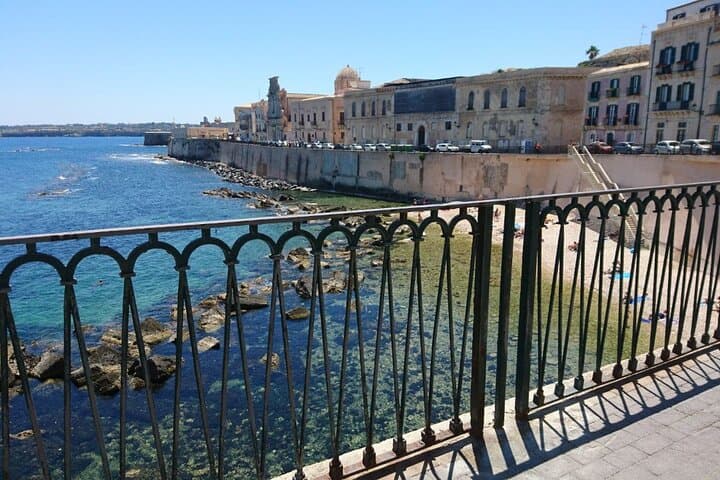
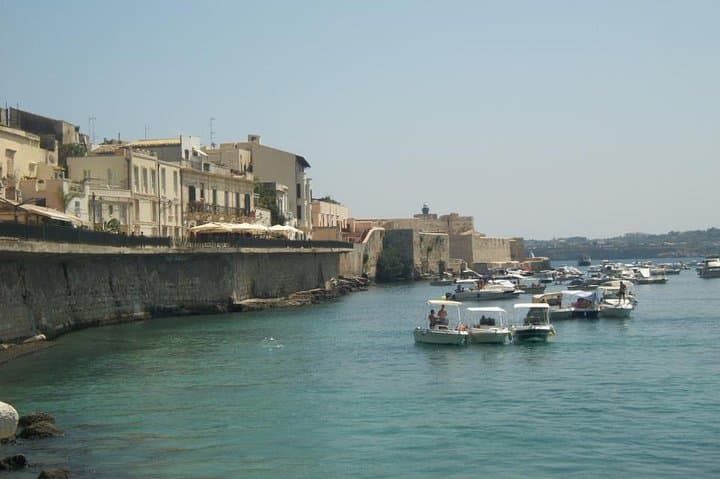
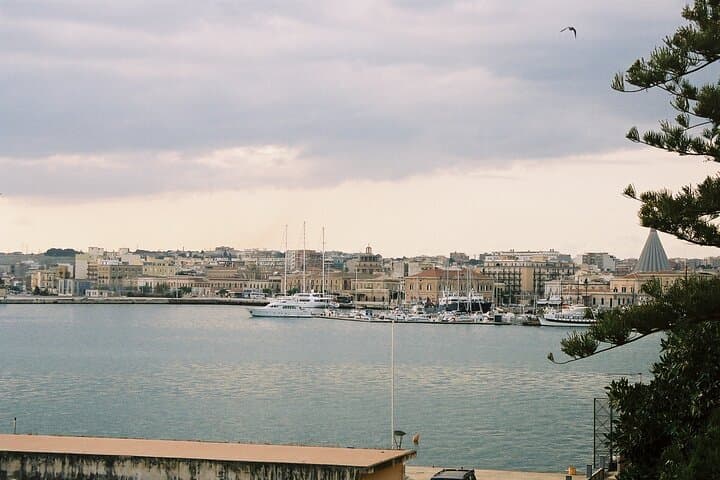
Morning light cuts across the Ionian Sea as the minivan pulls into Ortigia and the island seems to wake for the thousandth day. You step onto stone streets worn smooth by traders, fishermen and generations of festival crowds; gulls wheel above the cathedral’s ornate facade while the sea keeps time against the quay.
Morning light cuts across the Ionian Sea as the minivan pulls into Ortigia and the island seems to wake for the thousandth day. You step onto stone streets worn smooth by traders, fishermen and generations of festival crowds; gulls wheel above the cathedral’s ornate facade while the sea keeps time against the quay.
This day excursion stitches two UNESCO-listed chapters of Sicilian history: Syracuse’s layers of Greek, Roman and Byzantine ruins in the Archaeological Park of Neapolis and the compact, golden-brown baroque of Noto — called the “stone garden” for its carved palaces and churches. Geologically, the coastline is driven by limestone and calcareous sandstone; erosion and seismic shifts shaped the sea cliffs and the soft stone that later allowed sculpted facades to bloom in the seventeenth and eighteenth centuries.
Culturally, expect a Mediterranean rhythm: espresso stops, markets with citrus and almond pastries, and craftsmen working in narrow alleys. The guide-led route typically includes the Greek theatre, the Latomie and Ear of Dionysius, a walking loop of Ortigia’s cathedral square, and a relaxed stroll through Noto’s main Corso — approximately 7–10 km of on-foot exploration spread over the day.
Practicalities: this is a full-day outing (6–8 hours) with hotel pickup in Catania. Admissions to some sites may not be included; bring cash or card. Wear sturdy shoes for cobbles, carry sun protection and water, and plan for crowds in high season. The pace is moderate — historic detail balanced with room to pause and listen to the city.