THE ADVENTURE COLLECTIVE® · Independent discovery and booking for outdoor travel

Explore Sydney Zoo’s Bungarribee Wildlife Experience — a flat, accessible walk through African boardwalks, Primate Boulevard and open-range Australia. This guide covers what to expect, how to plan your visit, and practical tips to make the most of 1–4 hours at the park.
Explore Sydney Zoo’s Bungarribee Wildlife Experience — a flat, accessible walk through African boardwalks, Primate Boulevard and open-range Australia. This guide covers what to expect, how to plan your visit, and practical tips to make the most of 1–4 hours at the park.
A low-mist morning at Sydney Zoo bends sunlight across open grass and glassed viewing platforms; wallabies hop along the meandering paths while the calls of primates punctuate the air. The design is flat and accessible, so the first impression is a steady walk through distinct habitats rather than a steep trail — you move from African boardwalks to southeast Asian enclosures and finally into open-range Australia without a single flight of stairs.
Verified experiences and guided adventures in the surrounding area.
Operated by Sydney Zoo · Sydney, New South Wales
A low-mist morning at Sydney Zoo bends sunlight across open grass and glassed viewing platforms; wallabies hop along the meandering paths while the calls of primates punctuate the air. The design is flat and accessible, so the first impression is a steady walk through distinct habitats rather than a steep trail — you move from African boardwalks to southeast Asian enclosures and finally into open-range Australia without a single flight of stairs.
Opened in Western Sydney in 2019 on Darug land, Sydney Zoo pairs traditional exhibits with immersive interpretive zones like the Bungarribee Dreaming that explain local First Nation stories and connections to place. Geologically the site sits on the gently rolling Cumberland Plain — dry sclerophyll remnants and constructed wetlands shape the terrain and influence habitat layouts.
Culturally the zoo aims to bridge education and conservation: mixed-species paddocks, primate boulevards and aquarium displays highlight species interactions and captive breeding efforts. Expect clear signage, accessible paths, and interpretive talks at scheduled times.
Practical guidance: plan 1–4 hours depending on pace; arrive early for active mammals and quieter viewing. Use free on-site parking or public transit options nearby. Comfortable walking shoes and a refillable water bottle keep the visit pleasant; shade and seating are plentiful but limited in peak heat. For families, stroller and wheelchair access is straightforward and the flat layout reduces fatigue. Finish with a stop at the Bungarribee Dreaming area to connect the visit to local culture and conservation messages.
easy.
1–4 hours.
Suitable for all fitness levels; mostly level walking on paved paths
Yes — free on-site parking is included with Sydney Zoo general entry.
Yes — paths and surfaces are wheelchair and stroller accessible with no steps across main visitor routes.
Allocate 1–4 hours depending on interest level; shorter visits can focus on highlights while a full visit allows time for talks and the aquarium.
Mobile or paper tickets are accepted; the product offers skip-the-line entry but on-site purchase may be subject to availability.
Sydney Zoo opened in Western Sydney in 2019 on land historically cared for by the Darug people and includes the Bungarribee Dreaming cultural experience.
The zoo supports captive breeding, education programs and habitat interpretation; visitors can reduce impact by using water stations and following signage to respect animals.
Sydney Zoo operates guided outdoor trips and adventures with an emphasis on safety, stewardship, and memorable experiences.
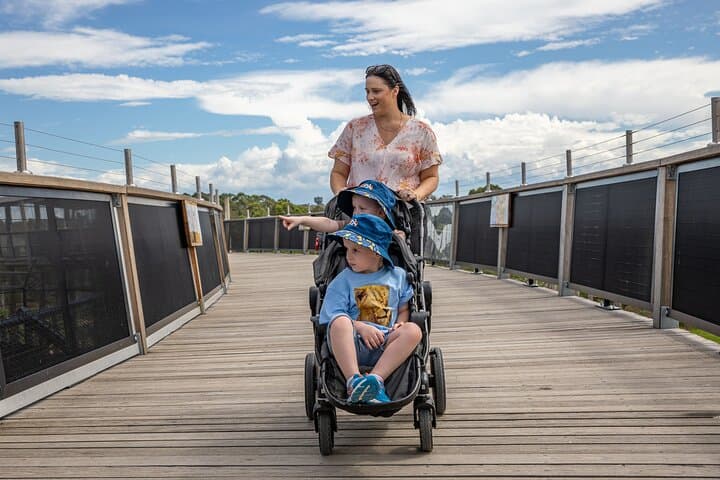
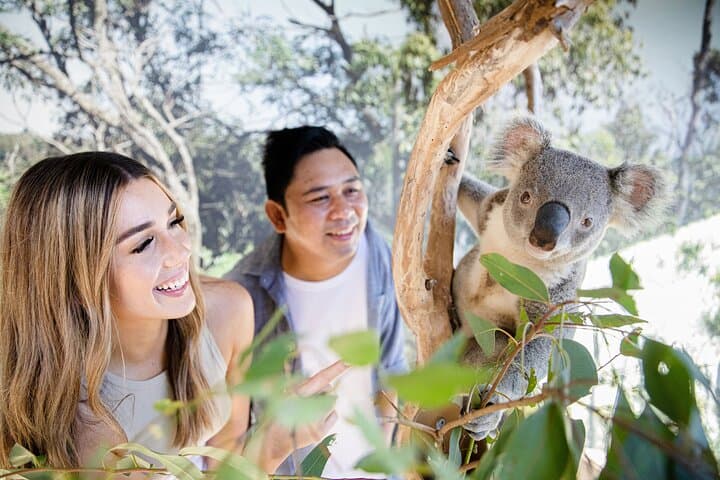
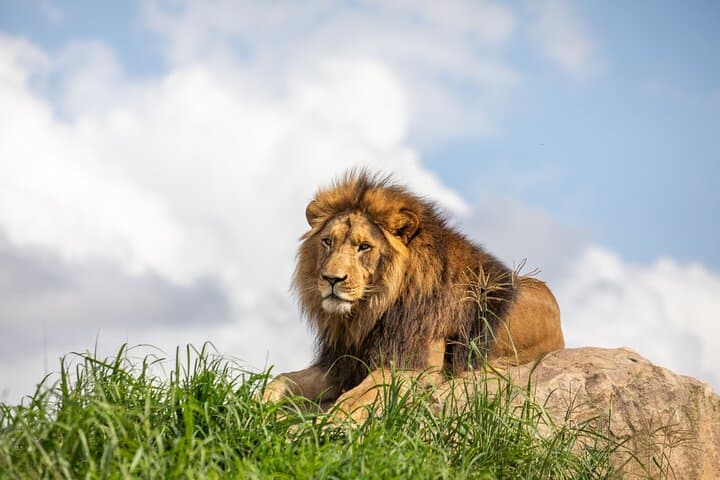
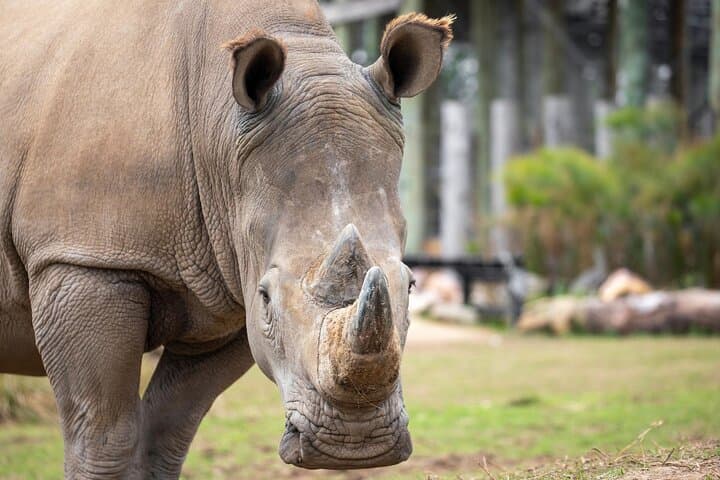
A low-mist morning at Sydney Zoo bends sunlight across open grass and glassed viewing platforms; wallabies hop along the meandering paths while the calls of primates punctuate the air. The design is flat and accessible, so the first impression is a steady walk through distinct habitats rather than a steep trail — you move from African boardwalks to southeast Asian enclosures and finally into open-range Australia without a single flight of stairs.
A low-mist morning at Sydney Zoo bends sunlight across open grass and glassed viewing platforms; wallabies hop along the meandering paths while the calls of primates punctuate the air. The design is flat and accessible, so the first impression is a steady walk through distinct habitats rather than a steep trail — you move from African boardwalks to southeast Asian enclosures and finally into open-range Australia without a single flight of stairs.
Opened in Western Sydney in 2019 on Darug land, Sydney Zoo pairs traditional exhibits with immersive interpretive zones like the Bungarribee Dreaming that explain local First Nation stories and connections to place. Geologically the site sits on the gently rolling Cumberland Plain — dry sclerophyll remnants and constructed wetlands shape the terrain and influence habitat layouts.
Culturally the zoo aims to bridge education and conservation: mixed-species paddocks, primate boulevards and aquarium displays highlight species interactions and captive breeding efforts. Expect clear signage, accessible paths, and interpretive talks at scheduled times.
Practical guidance: plan 1–4 hours depending on pace; arrive early for active mammals and quieter viewing. Use free on-site parking or public transit options nearby. Comfortable walking shoes and a refillable water bottle keep the visit pleasant; shade and seating are plentiful but limited in peak heat. For families, stroller and wheelchair access is straightforward and the flat layout reduces fatigue. Finish with a stop at the Bungarribee Dreaming area to connect the visit to local culture and conservation messages.