THE ADVENTURE COLLECTIVE® · Independent discovery and booking for outdoor travel

Spend three hours birding Sydney’s urban parks with a professional biologist. Small groups, hands-off wildlife viewing, and focused species ID make this an ideal introduction to the city’s native birds and habitats.
Spend three hours birding Sydney’s urban parks with a professional biologist. Small groups, hands-off wildlife viewing, and focused species ID make this an ideal introduction to the city’s native birds and habitats.
Morning light filters through eucalypts as your small group moves quietly along a shaded path — the city hums beyond the trees, but here kookaburras call like punctuation and rainbow lorikeets flash in the canopy.
Verified experiences and guided adventures in the surrounding area.
Operated by Juan naturalist · Sydney, New South Wales
Morning light filters through eucalypts as your small group moves quietly along a shaded path — the city hums beyond the trees, but here kookaburras call like punctuation and rainbow lorikeets flash in the canopy.
This three-hour guided wildlife walk takes you into Sydney’s living green spaces, led by a professional biologist who focuses on species identification, behavior, and habitat. Expect close views of native birds (kookaburras, magpies, currawongs, rainbow lorikeets), sightings of freshwater turtles, and, at dusk in season, flying foxes making their commute. The walk highlights the sandstone geology underfoot, remnant native plantings in colonial-era gardens, and the long human history — from the Gadigal people’s connection to the harbour to the Royal Botanic Garden’s early 19th-century scientific plantings.
Culturally, the tour bridges city life and nature study: participants learn bird calls, survey techniques, and respectful observation practices. The biologist interprets urban ecology — how introduced species, park design, and waterways shape wildlife patterns — and points out lesser-seen microhabitats.
Practically, the experience is relaxed and accessible for families, seniors, and bird enthusiasts. Small groups (8–12) mean personalized commentary and slow observation. Bring a water bottle, sun protection, and steady footwear; binoculars are provided but feel free to bring your own. Mornings and late afternoons are best for active birds; public transport reaches most park gates. The operator enforces no animal handling and asks participants not to feed wildlife to protect local populations.
easy.
3 hours.
Light-level fitness—participants should be able to walk 2–4 km at a relaxed pace with short stops.
The tour lasts approximately three hours and typically covers 2–4 km at a leisurely pace with frequent stops for observation.
Yes, binoculars are provided for shared use though bringing your own pair is recommended for clearer, quicker viewing.
Yes — the route is chosen for accessibility and gentle gradients; let the operator know any mobility needs when booking.
No — the experience is observation-only; handlers focus on ethical, noninvasive study and do not permit feeding wildlife.
Many Sydney parks sit on land of the Gadigal people of the Eora Nation; the Royal Botanic Garden was formally established in 1816 and shaped early scientific collection in the colony.
Tours emphasize leave-no-trace and no-feeding policies; controlling invasive species and protecting nesting habitats are key local priorities.
Juan naturalist operates guided outdoor trips and adventures with an emphasis on safety, stewardship, and memorable experiences.
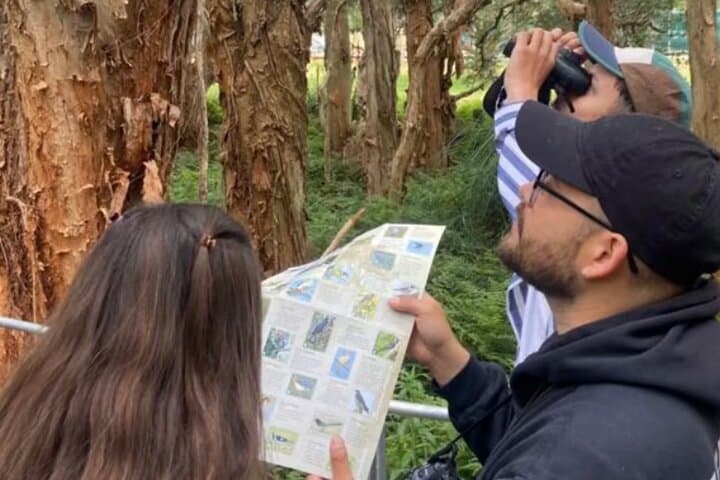

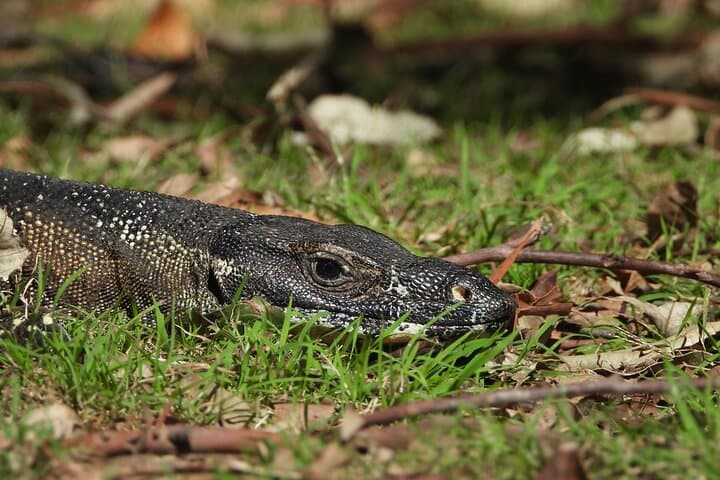
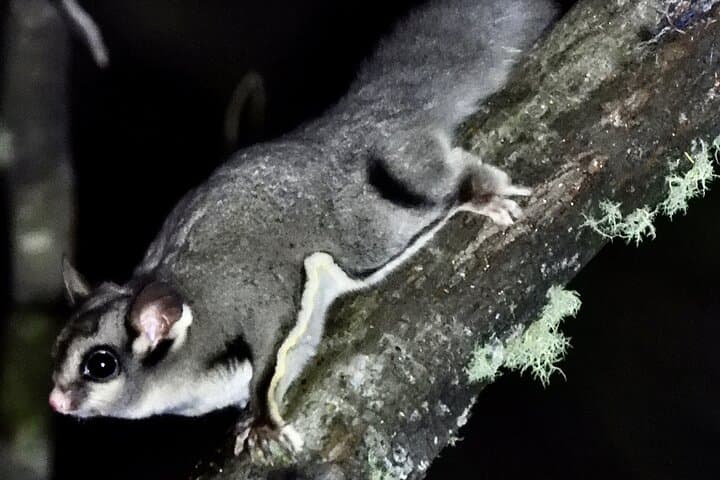
Morning light filters through eucalypts as your small group moves quietly along a shaded path — the city hums beyond the trees, but here kookaburras call like punctuation and rainbow lorikeets flash in the canopy.
Morning light filters through eucalypts as your small group moves quietly along a shaded path — the city hums beyond the trees, but here kookaburras call like punctuation and rainbow lorikeets flash in the canopy.
This three-hour guided wildlife walk takes you into Sydney’s living green spaces, led by a professional biologist who focuses on species identification, behavior, and habitat. Expect close views of native birds (kookaburras, magpies, currawongs, rainbow lorikeets), sightings of freshwater turtles, and, at dusk in season, flying foxes making their commute. The walk highlights the sandstone geology underfoot, remnant native plantings in colonial-era gardens, and the long human history — from the Gadigal people’s connection to the harbour to the Royal Botanic Garden’s early 19th-century scientific plantings.
Culturally, the tour bridges city life and nature study: participants learn bird calls, survey techniques, and respectful observation practices. The biologist interprets urban ecology — how introduced species, park design, and waterways shape wildlife patterns — and points out lesser-seen microhabitats.
Practically, the experience is relaxed and accessible for families, seniors, and bird enthusiasts. Small groups (8–12) mean personalized commentary and slow observation. Bring a water bottle, sun protection, and steady footwear; binoculars are provided but feel free to bring your own. Mornings and late afternoons are best for active birds; public transport reaches most park gates. The operator enforces no animal handling and asks participants not to feed wildlife to protect local populations.