THE ADVENTURE COLLECTIVE® · Independent discovery and booking for outdoor travel

Traverse alpine ridges, sleep in a hay hotel and ride Europe’s steepest funicular on a custom 4-day trek through the Swiss Alps. Expect high passes, glacier views and public-transport logistics across Lucerne, Stoos and Saas-Fee.
Traverse alpine ridges, sleep in a hay hotel and ride Europe’s steepest funicular on a custom 4-day trek through the Swiss Alps. Expect high passes, glacier views and public-transport logistics across Lucerne, Stoos and Saas-Fee.
A morning train slides out of Zurich and the city shrinks into green pastures and jagged peaks. By late afternoon you’re on narrow alpine tracks above Lake Walen, the air cold and grass still wet with dew; at a rustic hay hotel a farm lantern swings as you drop your pack and listen to cowbells settle the valley.
Verified experiences and guided adventures in the surrounding area.
Operated by Trekking Switzerland · Saas-Fee, Valais
A morning train slides out of Zurich and the city shrinks into green pastures and jagged peaks. By late afternoon you’re on narrow alpine tracks above Lake Walen, the air cold and grass still wet with dew; at a rustic hay hotel a farm lantern swings as you drop your pack and listen to cowbells settle the valley.
This tailored, four-day route stitches together Canton St. Gallen’s Amden ridges, Stoos’s car-free summit, and high alpine viewpoints near Saas-Fee and Hohsaas. Geology here is obvious — sharp schist ridges, glacier-polished cirques and moraine-tilled valleys shaped by repeated ice ages. Culture is equally present: mountain agriculture, hay-stacked accommodation, and small villages that developed around seasonal grazing and mountain transit lines like the Stoos funicular and regional cogwheel trains.
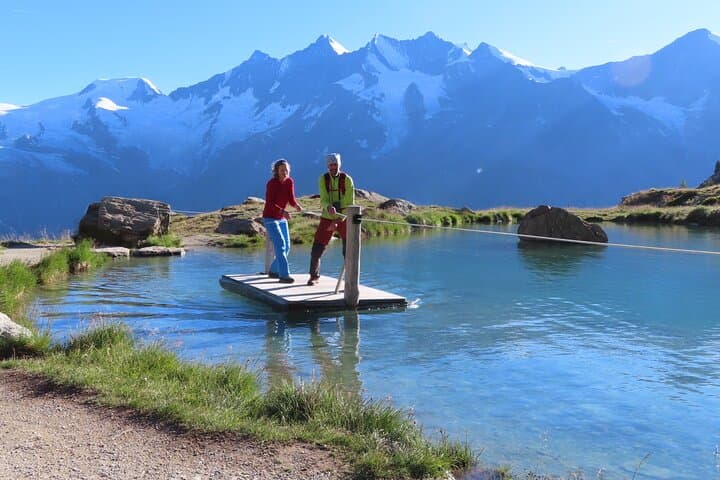
Expect daily hikes of roughly 6–15 km with intermittent elevation change (typical gains 300–1,100 m); highlights include Leistkamm (2,101 m) and cable-access peaks around Saas-Fee (3,142–3,500 m). Trails vary from groomed lakeside paths to steep alpine switchbacks and short rocky scrambles.
Practically: pack sturdy boots, layered clothing for sharp temperature swings, and a small daypack with 2–3 liters of water. The itinerary uses public transport (trains, cable cars, buses) so a regional pass simplifies logistics. Hay-hotels and 3-star inns are rustic and authentic — book early in summer. The experience favors hikers comfortable with sustained uphill sections and altitude changes but requires no technical climbing skills.
moderate.
4 days (daily hikes 3–8 hours).
Good aerobic base and comfort with sustained uphill walking; able to carry a 8–12 kg daypack.
The tour is moderate: daily hiking ranges from a few hours to full-day stages with steady elevation gain; no technical climbing required but you should be comfortable on steep switchbacks.
Yes—one night is in a rustic hay hotel (simple bedding, farm setting) and the rest in 3-star mountain hotels offering private rooms and breakfast.
Most public-transport segments (cable cars, funiculars) are included in the itinerary; check with the operator whether a regional pass or single tickets are recommended for optional extras.
It’s family-friendly for active older children and fit older adults, but not recommended for those with serious back, heart or pregnancy-related restrictions due to altitude and sustained hiking.
These valleys grew around seasonal alpine farming and mountain transit; steam and cog railways in the 19th–20th centuries transformed access and turned villages into summer refuges.
Stick to marked trails to protect fragile alpine meadows; local guides support low-impact travel and many mountain huts follow strict waste and water practices.
Trekking Switzerland operates guided outdoor trips and adventures with an emphasis on safety, stewardship, and memorable experiences.
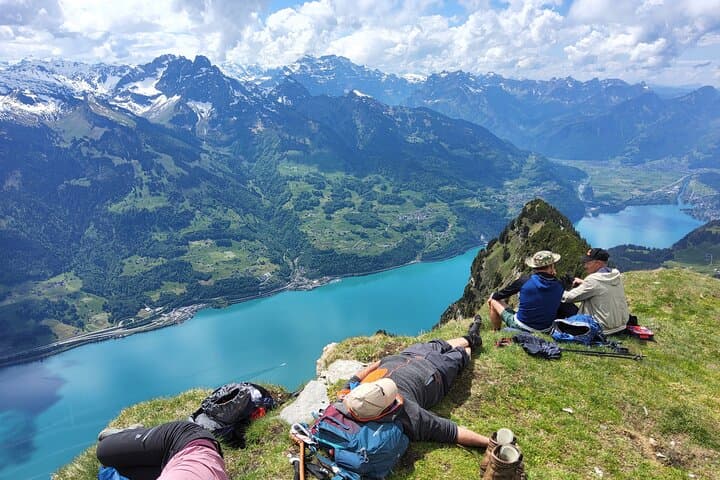
A morning train slides out of Zurich and the city shrinks into green pastures and jagged peaks. By late afternoon you’re on narrow alpine tracks above Lake Walen, the air cold and grass still wet with dew; at a rustic hay hotel a farm lantern swings as you drop your pack and listen to cowbells settle the valley.
A morning train slides out of Zurich and the city shrinks into green pastures and jagged peaks. By late afternoon you’re on narrow alpine tracks above Lake Walen, the air cold and grass still wet with dew; at a rustic hay hotel a farm lantern swings as you drop your pack and listen to cowbells settle the valley.
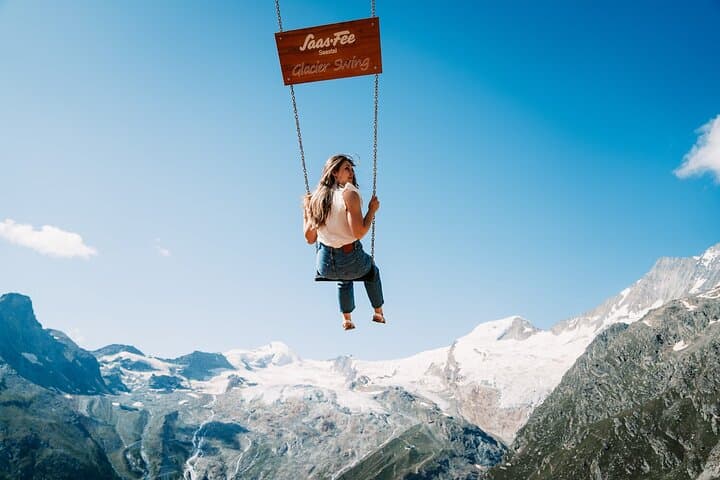
This tailored, four-day route stitches together Canton St. Gallen’s Amden ridges, Stoos’s car-free summit, and high alpine viewpoints near Saas-Fee and Hohsaas. Geology here is obvious — sharp schist ridges, glacier-polished cirques and moraine-tilled valleys shaped by repeated ice ages. Culture is equally present: mountain agriculture, hay-stacked accommodation, and small villages that developed around seasonal grazing and mountain transit lines like the Stoos funicular and regional cogwheel trains.
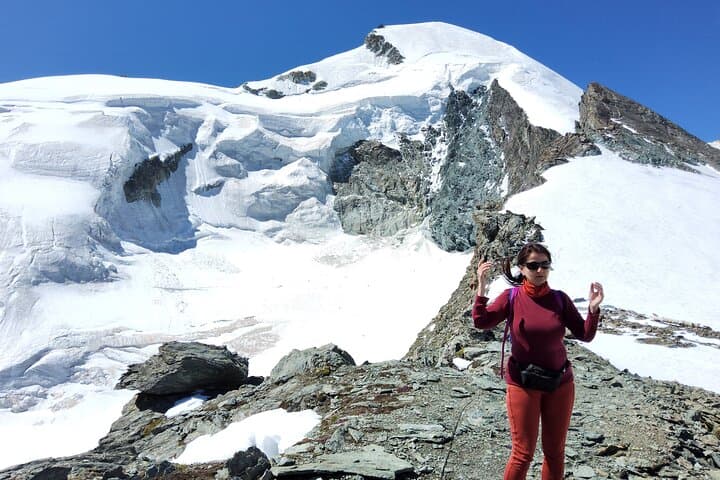
Expect daily hikes of roughly 6–15 km with intermittent elevation change (typical gains 300–1,100 m); highlights include Leistkamm (2,101 m) and cable-access peaks around Saas-Fee (3,142–3,500 m). Trails vary from groomed lakeside paths to steep alpine switchbacks and short rocky scrambles.
Practically: pack sturdy boots, layered clothing for sharp temperature swings, and a small daypack with 2–3 liters of water. The itinerary uses public transport (trains, cable cars, buses) so a regional pass simplifies logistics. Hay-hotels and 3-star inns are rustic and authentic — book early in summer. The experience favors hikers comfortable with sustained uphill sections and altitude changes but requires no technical climbing skills.