THE ADVENTURE COLLECTIVE® · Independent discovery and booking for outdoor travel

Spend a full day crossing the Bernese Oberland by private car, from Lucerne to Interlaken, Grindelwald and Lauterbrunnen. Expect dramatic alpine views, short village walks, waterfalls and optional boat rides—customizable to your pace.
Spend a full day crossing the Bernese Oberland by private car, from Lucerne to Interlaken, Grindelwald and Lauterbrunnen. Expect dramatic alpine views, short village walks, waterfalls and optional boat rides—customizable to your pace.
A morning drive out of Lucerne opens with light on glassy lakes and a road that climbs toward the Bernese Oberland. The premium car threads past Lake Lucerne and onto sweeping alpine valleys; by mid-morning the peaks of the Eiger, Mönch and Jungfrau appear like raw teeth above green bowls. In Interlaken the air tastes of glacial runoff and espresso; the town sits literally between Lake Brienz and Lake Thun, offering a calm contrast to the cliffs that frame Lauterbrunnen.
Verified experiences and guided adventures in the surrounding area.
Operated by Swiss Excursions · Interlaken, Bern
A morning drive out of Lucerne opens with light on glassy lakes and a road that climbs toward the Bernese Oberland. The premium car threads past Lake Lucerne and onto sweeping alpine valleys; by mid-morning the peaks of the Eiger, Mönch and Jungfrau appear like raw teeth above green bowls. In Interlaken the air tastes of glacial runoff and espresso; the town sits literally between Lake Brienz and Lake Thun, offering a calm contrast to the cliffs that frame Lauterbrunnen.
This corridor was carved by successive glaciers, leaving U-shaped valleys, hanging waterfalls and moraine terraces. Grindelwald grew as an alpine village of shepherding and seasonal farms, later becoming a gateway for climbers and early alpine tourism. Lauterbrunnen’s Staubbach and Trümmelbach falls are geological pages—water cutting through limestone and shale, visible evidence of the region’s glacial past. Local culture remains pragmatic: alpine dairies, cable-car engineers and mountain guides who balance tourism with mountain safety.
Practical guidance: plan a 10-hour day with hotel pickup in Lucerne; expect several short walks (village strolls, lookout points) and the option to add a short hike or a boat on Lake Brienz. Weather changes quickly—carry a waterproof layer and sturdy shoes with grip; bring a small daypack, water and a camera with a neutral-density option for waterfall shots. Timed funiculars and public transport can be used to shorten walks. Allow extra time for photo stops and local tastings—cheese and chocolate sampling are easy, quick cultural stops that add texture without costing time. With a flexible private driver-guide, you can trade a town visit for more time on a ridge or a lakeshore—choose based on fitness and interest.
easy.
10 hours.
Suitable for travelers in average condition; minimal fitness required for village walks, optional short hikes require moderate fitness
The tour typically picks up from your Lucerne hotel in the morning and returns to Lucerne at the end of the day.
Admissions like funiculars, boat rides or museum entries are generally optional and not included—check with the operator to add them.
Yes—short walks in towns are stroller-friendly; discuss infant seats with the operator at booking.
Yes—this private daytrip is customizable; you can prioritize hikes, lake time or village exploration when you book.
The Bernese Oberland was shaped by repeated glaciations; villages developed as seasonal farming communities and later as alpine tourism hubs in the 19th century.
High visitor numbers put pressure on trails and fragile alpine meadows—stick to marked paths, avoid off-trail trampling and use public transport or pooled private transfers where possible.
Swiss Excursions operates guided outdoor trips and adventures with an emphasis on safety, stewardship, and memorable experiences.
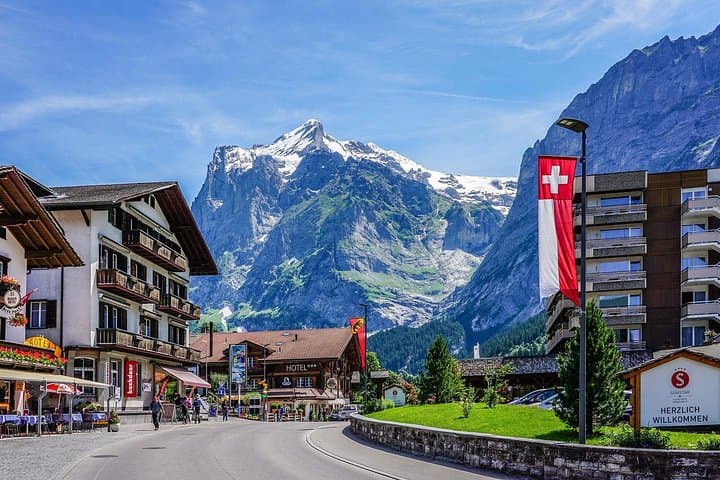
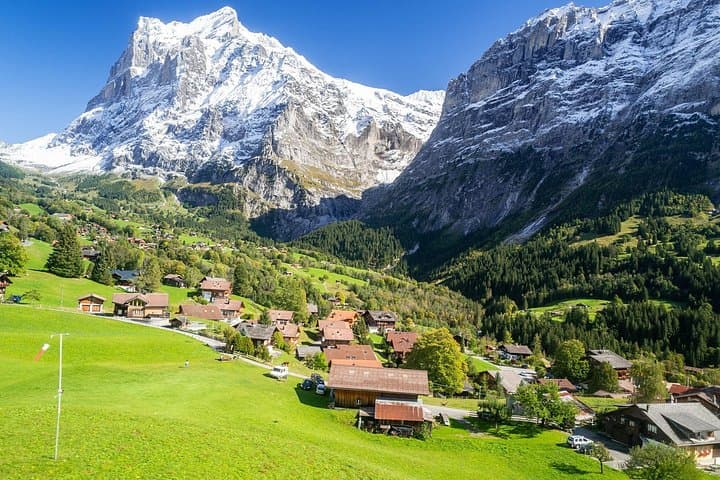
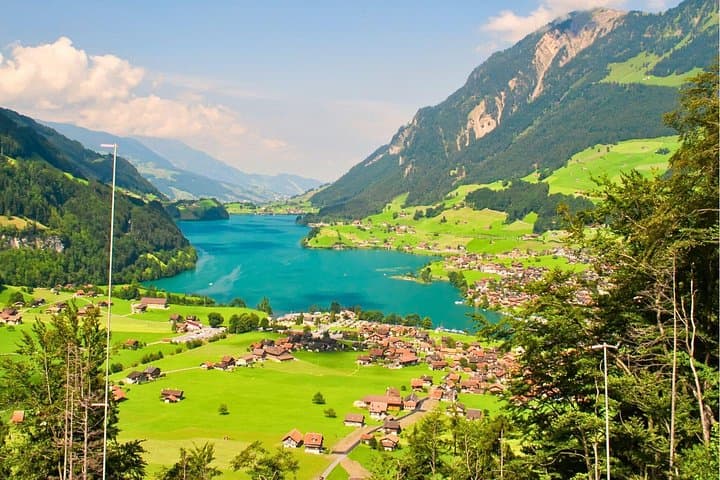
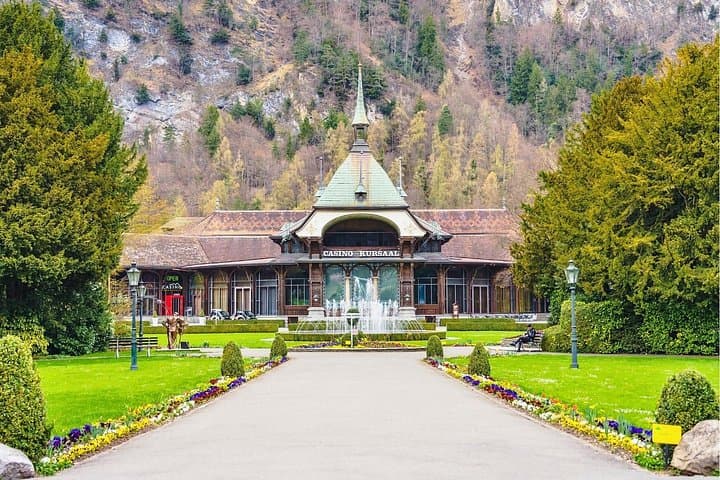
A morning drive out of Lucerne opens with light on glassy lakes and a road that climbs toward the Bernese Oberland. The premium car threads past Lake Lucerne and onto sweeping alpine valleys; by mid-morning the peaks of the Eiger, Mönch and Jungfrau appear like raw teeth above green bowls. In Interlaken the air tastes of glacial runoff and espresso; the town sits literally between Lake Brienz and Lake Thun, offering a calm contrast to the cliffs that frame Lauterbrunnen.
A morning drive out of Lucerne opens with light on glassy lakes and a road that climbs toward the Bernese Oberland. The premium car threads past Lake Lucerne and onto sweeping alpine valleys; by mid-morning the peaks of the Eiger, Mönch and Jungfrau appear like raw teeth above green bowls. In Interlaken the air tastes of glacial runoff and espresso; the town sits literally between Lake Brienz and Lake Thun, offering a calm contrast to the cliffs that frame Lauterbrunnen.
This corridor was carved by successive glaciers, leaving U-shaped valleys, hanging waterfalls and moraine terraces. Grindelwald grew as an alpine village of shepherding and seasonal farms, later becoming a gateway for climbers and early alpine tourism. Lauterbrunnen’s Staubbach and Trümmelbach falls are geological pages—water cutting through limestone and shale, visible evidence of the region’s glacial past. Local culture remains pragmatic: alpine dairies, cable-car engineers and mountain guides who balance tourism with mountain safety.
Practical guidance: plan a 10-hour day with hotel pickup in Lucerne; expect several short walks (village strolls, lookout points) and the option to add a short hike or a boat on Lake Brienz. Weather changes quickly—carry a waterproof layer and sturdy shoes with grip; bring a small daypack, water and a camera with a neutral-density option for waterfall shots. Timed funiculars and public transport can be used to shorten walks. Allow extra time for photo stops and local tastings—cheese and chocolate sampling are easy, quick cultural stops that add texture without costing time. With a flexible private driver-guide, you can trade a town visit for more time on a ridge or a lakeshore—choose based on fitness and interest.