THE ADVENTURE COLLECTIVE® · Independent discovery and booking for outdoor travel

Swap the beach for jungle spray and ancient stone on this full‑day Ubud loop. Swim below D’Tukad Blangsinga, explore the carved mouth of Goa Gajah, and finish among the ponds and shrines of Batuan Temple. Practical tips and what to expect for an 8–9 hour cultural and nature day trip.
Swap the beach for jungle spray and ancient stone on this full‑day Ubud loop. Swim below D’Tukad Blangsinga, explore the carved mouth of Goa Gajah, and finish among the ponds and shrines of Batuan Temple. Practical tips and what to expect for an 8–9 hour cultural and nature day trip.
You arrive on a narrow lane where the Petanu River threads the valley and humidity hangs like a promise. Palm fronds chatter as a wooden swing creaks above the waterfall’s spray; water throws light into sudden rainbows and dares you to step closer. At D’Tukad Blangsinga the descent is immediate — stone steps, moss, the press of jungle — then the pool opens, cool and inviting beneath the falling sheet.
Verified experiences and guided adventures in the surrounding area.
Operated by Tour East Indonesia · Ubud, Bali
You arrive on a narrow lane where the Petanu River threads the valley and humidity hangs like a promise. Palm fronds chatter as a wooden swing creaks above the waterfall’s spray; water throws light into sudden rainbows and dares you to step closer. At D’Tukad Blangsinga the descent is immediate — stone steps, moss, the press of jungle — then the pool opens, cool and inviting beneath the falling sheet.
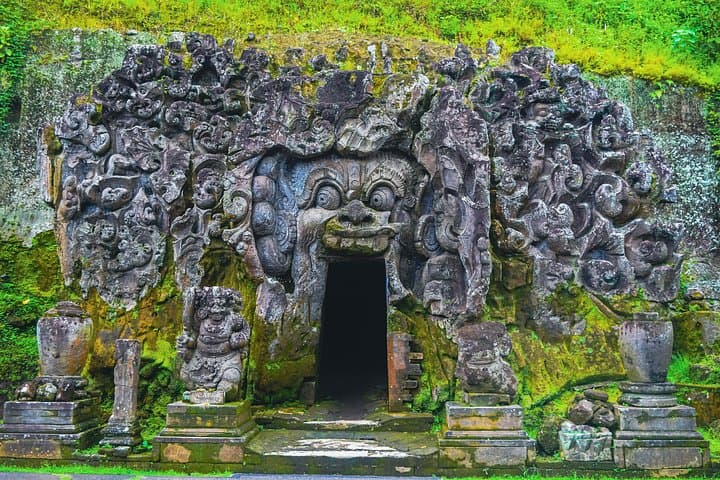
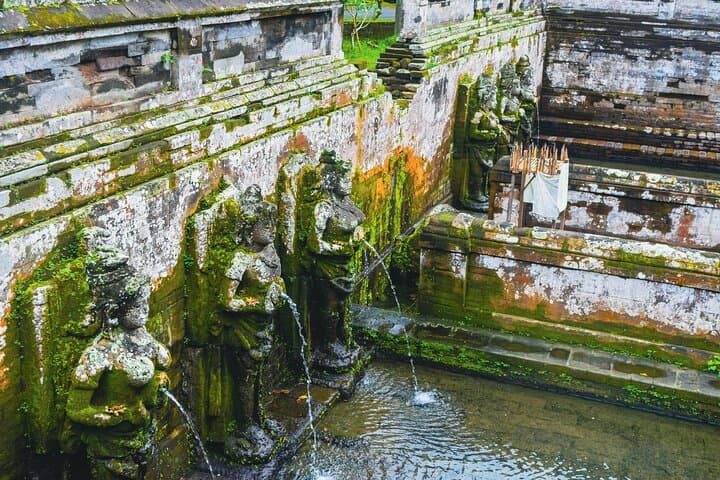
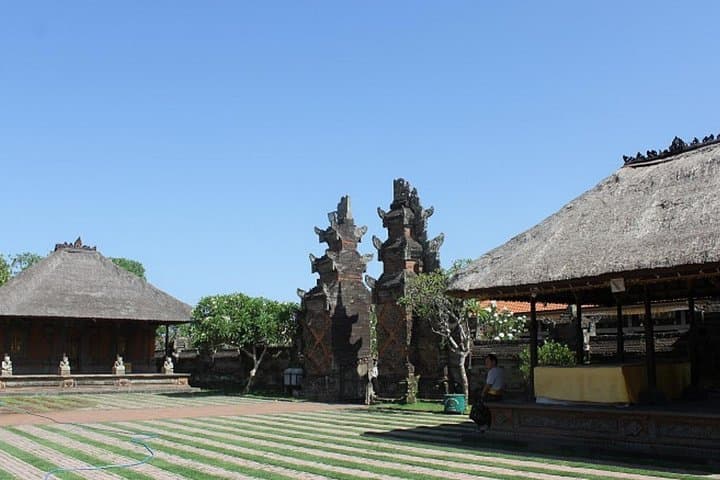
This route stitches together Bali’s living history. Goa Gajah (Elephant Cave) dates to the 11th century and greets visitors with a carved cavern-mouth and an old bathing complex fed by subterranean springs. Batuan Temple, a short drive away, represents classical Balinese temple architecture with tiered shrines, koi ponds and ornate stone reliefs that map the island’s ritual life.
Geology here is volcanic limestone cut by river action; terraces and rock outcrops channel water into plunge pools. Culturally the tour balances recreational swimming with strict temple etiquette — sarongs and quiet steps are required inside sacred precincts.
Practical guidance: bring water shoes for slippery approaches, a quick-dry swimsuit, and a lightweight towel. Expect 8–9 hours of touring with short hikes and stairs; wear sun protection for open temple courtyards and insect repellent for jungle trails. Guides typically include entrance fees, lunch and hotel pickup from major south Bali hubs. Plan on keeping valuables dry and on not feeding wildlife — the macaques at temple sites are bold. Time your visit earlier in the day to avoid heat and crowds and to see the waterfall at its clearest.
challenging.
8–9 hours.
Good cardiovascular fitness and agility for stairs, short rocky approaches, and a swim in a natural pool.
Yes — this tour typically includes entrance fees to the sites visited and lunch at a local restaurant, as well as hotel transfers from major south Bali areas.
Generally yes; the plunge pool is swimmable year-round, but heavy rain increases flow and slipperiness, so guides may restrict swimming in bad weather.
Children can join, but the route involves stairs and slippery sections; infants should be carried and small kids supervised closely near the water and temple steps.
Yes — sarongs and sashes are required for respectful entry; operators usually provide them if you don’t have your own.
Goa Gajah dates to the 11th century and served ritual purposes linked to water cults; Batuan Temple reflects classical Balinese temple architecture and community ritual life.
These sites combine cultural and natural sensitivity—avoid feeding wildlife, use marked paths, and carry out any trash; water resources are locally precious so minimize soap and sunscreen in pools.
Tour East Indonesia operates guided outdoor trips and adventures with an emphasis on safety, stewardship, and memorable experiences.
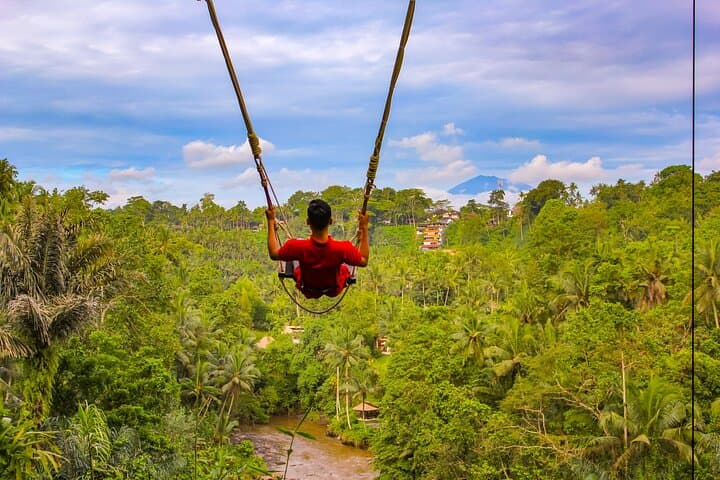
You arrive on a narrow lane where the Petanu River threads the valley and humidity hangs like a promise. Palm fronds chatter as a wooden swing creaks above the waterfall’s spray; water throws light into sudden rainbows and dares you to step closer. At D’Tukad Blangsinga the descent is immediate — stone steps, moss, the press of jungle — then the pool opens, cool and inviting beneath the falling sheet.
You arrive on a narrow lane where the Petanu River threads the valley and humidity hangs like a promise. Palm fronds chatter as a wooden swing creaks above the waterfall’s spray; water throws light into sudden rainbows and dares you to step closer. At D’Tukad Blangsinga the descent is immediate — stone steps, moss, the press of jungle — then the pool opens, cool and inviting beneath the falling sheet.
This route stitches together Bali’s living history. Goa Gajah (Elephant Cave) dates to the 11th century and greets visitors with a carved cavern-mouth and an old bathing complex fed by subterranean springs. Batuan Temple, a short drive away, represents classical Balinese temple architecture with tiered shrines, koi ponds and ornate stone reliefs that map the island’s ritual life.
Geology here is volcanic limestone cut by river action; terraces and rock outcrops channel water into plunge pools. Culturally the tour balances recreational swimming with strict temple etiquette — sarongs and quiet steps are required inside sacred precincts.
Practical guidance: bring water shoes for slippery approaches, a quick-dry swimsuit, and a lightweight towel. Expect 8–9 hours of touring with short hikes and stairs; wear sun protection for open temple courtyards and insect repellent for jungle trails. Guides typically include entrance fees, lunch and hotel pickup from major south Bali hubs. Plan on keeping valuables dry and on not feeding wildlife — the macaques at temple sites are bold. Time your visit earlier in the day to avoid heat and crowds and to see the waterfall at its clearest.