THE ADVENTURE COLLECTIVE® · Independent discovery and booking for outdoor travel

Board a research boat in Banderas Bay and listen as a hydrophone turns dolphin chatter into sound. This guided snorkel tour combines possible in‑water dolphin encounters with hands‑on marine research led by professional biologists.
Board a research boat in Banderas Bay and listen as a hydrophone turns dolphin chatter into sound. This guided snorkel tour combines possible in‑water dolphin encounters with hands‑on marine research led by professional biologists.
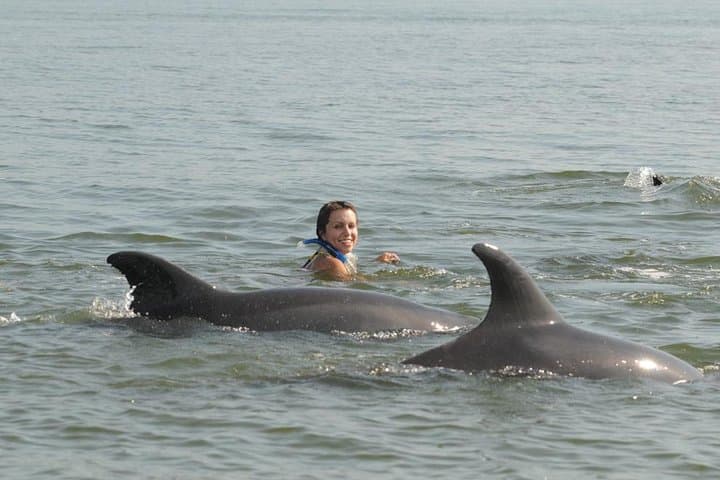
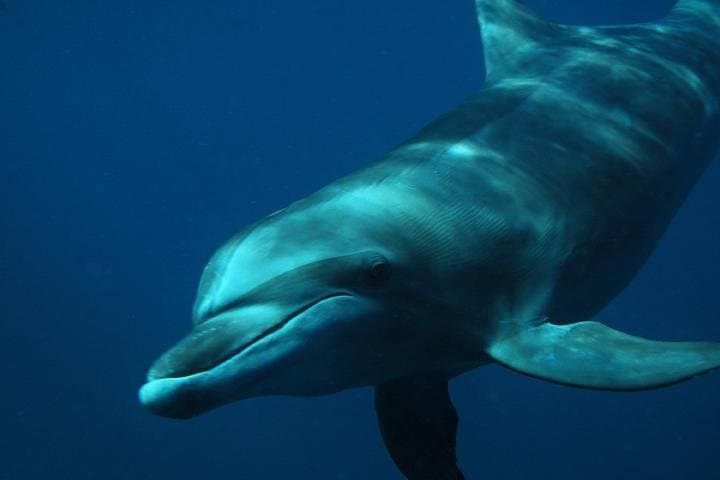
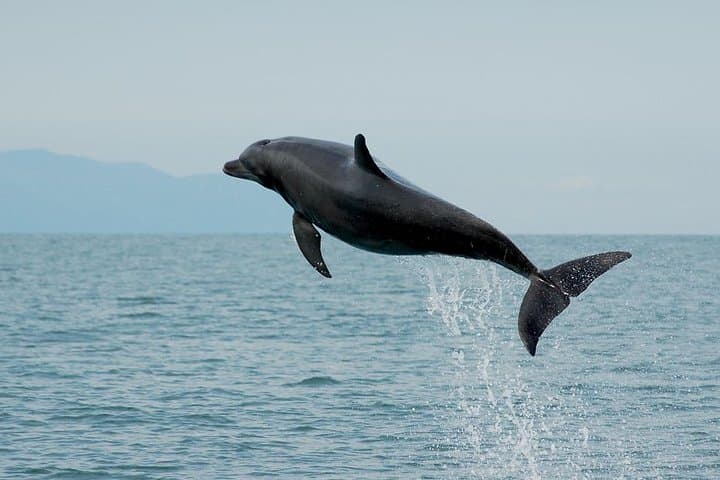
The boat slips out of the marina and the bay opens like a wide, breathing room — turquoise water riffled by fins and wind. Guides scan the horizon while a hydrophone hangs off the stern, turning distant clicks into audible conversation; the dolphins respond with curiosity, weaving through wake and current as if daring you to keep up.
Verified experiences and guided adventures in the surrounding area.
Operated by Wildlife Connection · Puerto Vallarta, Jalisco
The boat slips out of the marina and the bay opens like a wide, breathing room — turquoise water riffled by fins and wind. Guides scan the horizon while a hydrophone hangs off the stern, turning distant clicks into audible conversation; the dolphins respond with curiosity, weaving through wake and current as if daring you to keep up.
Banderas Bay has long supported small fishing communities and, more recently, marine research. The volcanic shelf that forms the bay creates deep channels and sheltered coves that concentrate prey, drawing resident bottlenose pods and, in winter, migratory giants like humpback whales. Local biologists who run this tour combine field research with public viewing, offering context on behavior, population studies and why in-water encounters must be left to the animals’ choice.
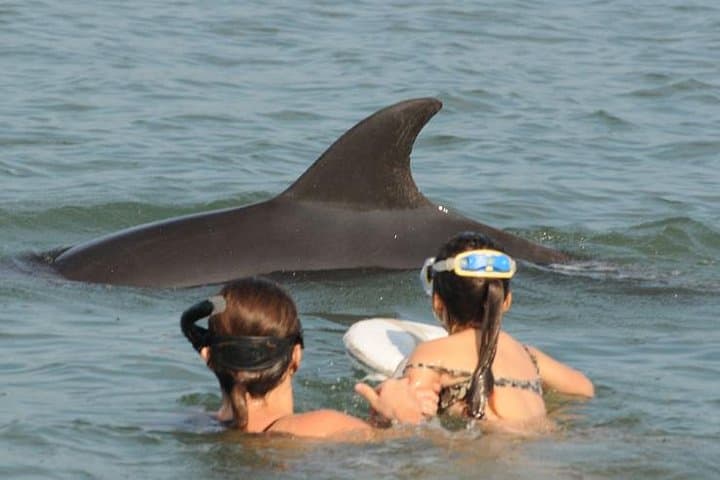
Expect a compact, 3–4 hour voyage on an open research boat with bilingual guides, bottled water and snorkel gear provided. Swimming with dolphins is a possibility — especially when juveniles are present — but never guaranteed; the animals set the terms. During December–March the same trip can include humpback sightings and a richer diversity of cetaceans.
Practical gear: reef-safe sunscreen, swimsuit, towel, light wind layer and sea-sickness remedies if you need them. Parents should note infants sit on laps and the company prohibits captive interactions; this is a wild-wildlife experience with conservation at its core. Arrival 30 minutes early, listen to briefing, follow guides and keep movements slow around animals — that’s how you get close without disturbing the wildlife and how the research keeps going.
easy.
3–4 hours.
Suitable for most fitness levels; participants should be comfortable in saltwater and able to snorkel short distances.
No — dolphins are wild and decide interactions. Guides maximize chances, and juveniles are often curious, but swimming is never guaranteed.
Yes — the tour is family friendly; infants must sit on an adult’s lap and staff can accommodate strollers at the marina.
Snorkeling equipment, bottled water and non‑alcoholic beverages are provided; alcohol is not offered.
The operator cancels for bad weather; you can receive a full refund if you cancel at least 24 hours before departure as per the policy.
Banderas Bay has supported fishing communities for generations; more recent marine research programs centered in Puerto Vallarta have focused on cetacean behavior and population monitoring.
The operator emphasizes non‑invasive viewing and funds research through tours; visitors are asked to follow guidelines that minimize disturbance and avoid supporting captive dolphin facilities.
Wildlife Connection operates guided outdoor trips and adventures with an emphasis on safety, stewardship, and memorable experiences.
The boat slips out of the marina and the bay opens like a wide, breathing room — turquoise water riffled by fins and wind. Guides scan the horizon while a hydrophone hangs off the stern, turning distant clicks into audible conversation; the dolphins respond with curiosity, weaving through wake and current as if daring you to keep up.
The boat slips out of the marina and the bay opens like a wide, breathing room — turquoise water riffled by fins and wind. Guides scan the horizon while a hydrophone hangs off the stern, turning distant clicks into audible conversation; the dolphins respond with curiosity, weaving through wake and current as if daring you to keep up.
Banderas Bay has long supported small fishing communities and, more recently, marine research. The volcanic shelf that forms the bay creates deep channels and sheltered coves that concentrate prey, drawing resident bottlenose pods and, in winter, migratory giants like humpback whales. Local biologists who run this tour combine field research with public viewing, offering context on behavior, population studies and why in-water encounters must be left to the animals’ choice.
Expect a compact, 3–4 hour voyage on an open research boat with bilingual guides, bottled water and snorkel gear provided. Swimming with dolphins is a possibility — especially when juveniles are present — but never guaranteed; the animals set the terms. During December–March the same trip can include humpback sightings and a richer diversity of cetaceans.
Practical gear: reef-safe sunscreen, swimsuit, towel, light wind layer and sea-sickness remedies if you need them. Parents should note infants sit on laps and the company prohibits captive interactions; this is a wild-wildlife experience with conservation at its core. Arrival 30 minutes early, listen to briefing, follow guides and keep movements slow around animals — that’s how you get close without disturbing the wildlife and how the research keeps going.