THE ADVENTURE COLLECTIVE® · Independent discovery and booking for outdoor travel

Board a speedboat from Playa del Carmen for a six‑hour expedition to swim alongside whale sharks near Isla Contoy. Learn what to expect, conservation rules, and practical tips for a safe, memorable encounter.
Board a speedboat from Playa del Carmen for a six‑hour expedition to swim alongside whale sharks near Isla Contoy. Learn what to expect, conservation rules, and practical tips for a safe, memorable encounter.
A pale-blue horizon opens as the speedboat slips away from Playa del Carmen; the sea breathes and the guide scans the surface for the shadow of a giant. Within an hour the water changes tone and a slow, rolling presence appears — whale sharks glide like gentle islands beneath the skin of the Caribbean, indifferent and immense.
Verified experiences and guided adventures in the surrounding area.
Operated by Pata de peek travel · Playa del Carmen, Quintana Roo
A pale-blue horizon opens as the speedboat slips away from Playa del Carmen; the sea breathes and the guide scans the surface for the shadow of a giant. Within an hour the water changes tone and a slow, rolling presence appears — whale sharks glide like gentle islands beneath the skin of the Caribbean, indifferent and immense.
This route follows migration corridors tied to plankton blooms off the northern Yucatán. The area near Isla Contoy and the reef line around the Mesoamerican Barrier Reef is geological proof of a living shoreline: limestone platform, coral ridges and nutrient upwellings that draw whale sharks each summer. Isla Contoy itself is a protected bird sanctuary and has been regulated to limit human impact, which helps maintain the local ecology the sharks rely on.
Culturally, the coastline is a working sea: fishers, small palapa kitchens and guide networks coordinate sightings and enforce distance rules. Onboard, bilingual guides brief guests on safety, responsible viewing and the regional rules that protect both animals and reefs.
Practical guidance: arrive with reef-safe sunscreen, a proper mask and a towel; wear a life jacket (provided) and expect short, guided entries in pairs. The tour runs about six hours with 2–3 snorkel immersions; bring seasickness medication if you’re prone, and respect the no-touch policy — the animals decide how close they’ll pass. Expect warm water, strong sun and a rare, humbling encounter with the world’s largest fish.
moderate.
6 hours.
Moderate fitness—able to board boats and undertake multiple short snorkel entries; buoyancy aided by life vests.
Peak season is typically May through September when plankton concentrations attract whale sharks to the northern Yucatán shelf.
No; whale sharks are filter feeders and not aggressive, but you must keep distance and follow guides to avoid stressing them.
You should be comfortable in open water; life vests are provided and entries are guided in pairs to support less confident swimmers.
Yes—there is commonly a dock or park fee (approximately US$20) that may be collected separately; confirm at booking.
Isla Contoy and nearby reef systems are part of a protected network that preserves important breeding and feeding grounds for seabirds and marine megafauna.
Operators limit group size, enforce no‑touch rules and request reef‑safe sunscreen; these measures reduce stress on sharks and protect coral habitat.
Pata de peek travel operates guided outdoor trips and adventures with an emphasis on safety, stewardship, and memorable experiences.
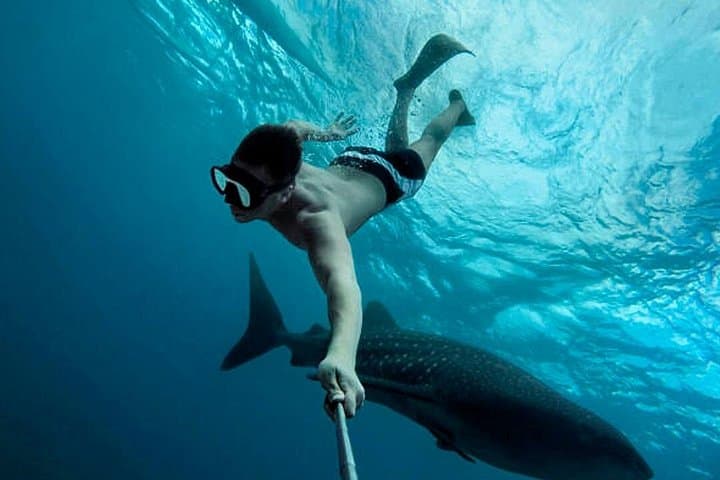
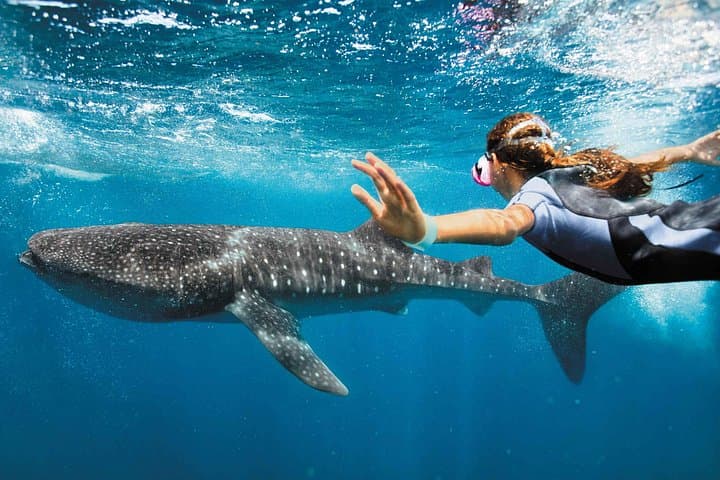
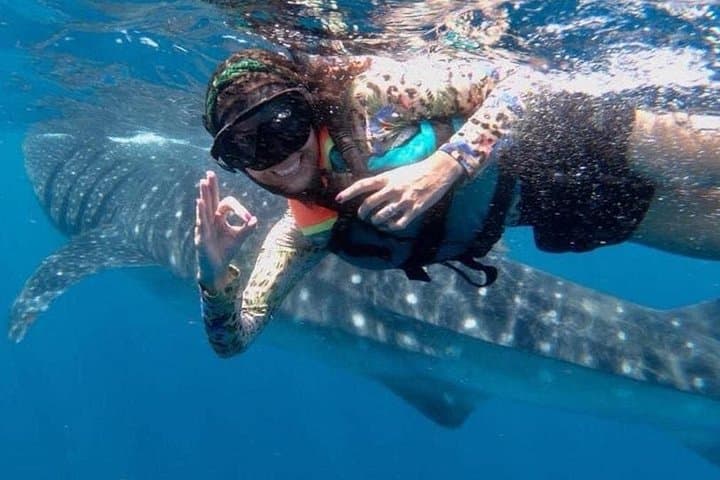
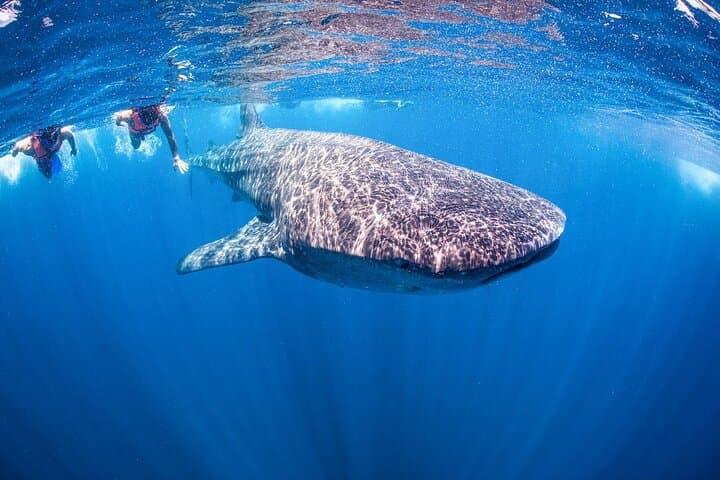
A pale-blue horizon opens as the speedboat slips away from Playa del Carmen; the sea breathes and the guide scans the surface for the shadow of a giant. Within an hour the water changes tone and a slow, rolling presence appears — whale sharks glide like gentle islands beneath the skin of the Caribbean, indifferent and immense.
A pale-blue horizon opens as the speedboat slips away from Playa del Carmen; the sea breathes and the guide scans the surface for the shadow of a giant. Within an hour the water changes tone and a slow, rolling presence appears — whale sharks glide like gentle islands beneath the skin of the Caribbean, indifferent and immense.
This route follows migration corridors tied to plankton blooms off the northern Yucatán. The area near Isla Contoy and the reef line around the Mesoamerican Barrier Reef is geological proof of a living shoreline: limestone platform, coral ridges and nutrient upwellings that draw whale sharks each summer. Isla Contoy itself is a protected bird sanctuary and has been regulated to limit human impact, which helps maintain the local ecology the sharks rely on.
Culturally, the coastline is a working sea: fishers, small palapa kitchens and guide networks coordinate sightings and enforce distance rules. Onboard, bilingual guides brief guests on safety, responsible viewing and the regional rules that protect both animals and reefs.
Practical guidance: arrive with reef-safe sunscreen, a proper mask and a towel; wear a life jacket (provided) and expect short, guided entries in pairs. The tour runs about six hours with 2–3 snorkel immersions; bring seasickness medication if you’re prone, and respect the no-touch policy — the animals decide how close they’ll pass. Expect warm water, strong sun and a rare, humbling encounter with the world’s largest fish.