THE ADVENTURE COLLECTIVE® · Independent discovery and booking for outdoor travel

Board a speedboat from Playa del Carmen and spend a day snorkeling alongside whale sharks near Isla Mujeres, then unwind in crystal waters for lunch. This full-day trip blends wildlife viewing with practical guidance for first-time ocean swimmers.
Board a speedboat from Playa del Carmen and spend a day snorkeling alongside whale sharks near Isla Mujeres, then unwind in crystal waters for lunch. This full-day trip blends wildlife viewing with practical guidance for first-time ocean swimmers.
A predawn speedboat slips away from Playa del Carmen, engines low and salt spray cooling your face as the horizon lightens. The Caribbean stretches flat and wide; seabirds cut the air and the guide scans the water for the telltale shadow of a whale shark. When one arrives, the ocean’s motion changes—gentle, massive, deliberate—and the boat slows as swimmers slip into clear water to watch the world’s largest fish filter plankton within arm’s reach.
Verified experiences and guided adventures in the surrounding area.
Operated by Ventours México · Playa del Carmen, Quintana Roo
A predawn speedboat slips away from Playa del Carmen, engines low and salt spray cooling your face as the horizon lightens. The Caribbean stretches flat and wide; seabirds cut the air and the guide scans the water for the telltale shadow of a whale shark. When one arrives, the ocean’s motion changes—gentle, massive, deliberate—and the boat slows as swimmers slip into clear water to watch the world’s largest fish filter plankton within arm’s reach.
This stretch of Quintana Roo sits on the Yucatán carbonate shelf, where shallow seagrass beds and periodic upwellings attract plankton blooms; those blooms lure the seasonal whale shark migration. Isla Mujeres, once a humble fishing island and turtle sanctuary, now shares its shores with visitors drawn to marine wildlife and the region’s Maya-influenced coastal culture.
Expect an eight-hour excursion: hotel pickup by air-conditioned van, a fast run to the feeding zone, guided snorkel rotations, then a stop at Isla Mujeres for lunch and calm-water snorkeling. The trip is physically moderate—short swims on the surface but repeated entries from a moving boat—and not recommended for people with serious back, heart, or pregnancy concerns.
Practical notes: bring reef-safe sunscreen, a snug mask and fins, motion-sickness remedies, and a waterproof pouch for your phone. Respect the guides’ approach rules—maintain distance, don’t touch, and let the animal set the pace. Timing matters: sightings concentrate in warm months, so book early in high season and confirm the operator’s conservation practices. When the day closes with sun slicing the water, the memory is less a souvenir and more a clear ledger of why this coastline still matters.
moderate.
8 hours.
Moderate fitness; comfortable with repeated short surface swims and entering/exiting a moving boat.
Sightings peak in the warm months—generally late spring through summer—when plankton blooms attract whale sharks to the Yucatán shelf, though timing can vary year to year.
No—participants should be comfortable swimming and snorkeling at the surface for short periods; guides organize staggered rotations so everyone has a turn without fatigue.
No—touching, feeding, or attempting to ride whale sharks is prohibited; guides enforce distance rules to protect the animals and visitors.
Tours typically include hotel transport, breakfast, lunch, and snorkeling gear; bring reef-safe sunscreen, a towel, a change of clothes, motion-sickness remedies, and ID for boat check-in.
Isla Mujeres was historically a small fishing and turtle-harvesting community; its name references offerings to Ixchel, the Maya goddess of the moon and fertility.
Local operators follow federal marine park guidelines and many promote ‘no-touch’ policies; visitors should choose operators that brief on rules and support reef-safe practices.
Ventours México operates guided outdoor trips and adventures with an emphasis on safety, stewardship, and memorable experiences.
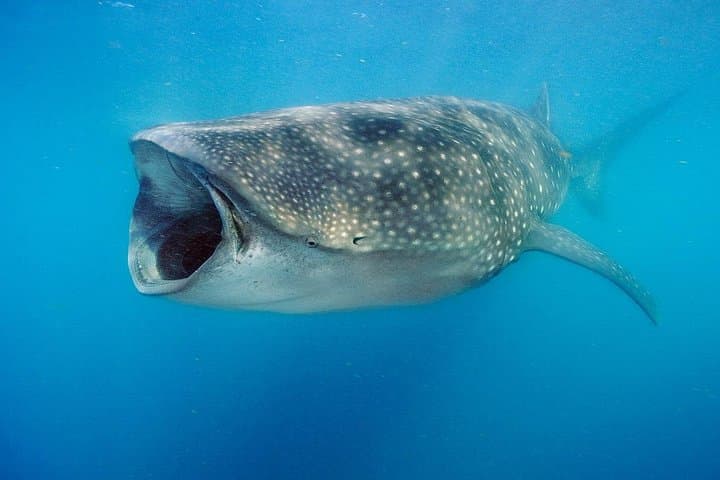
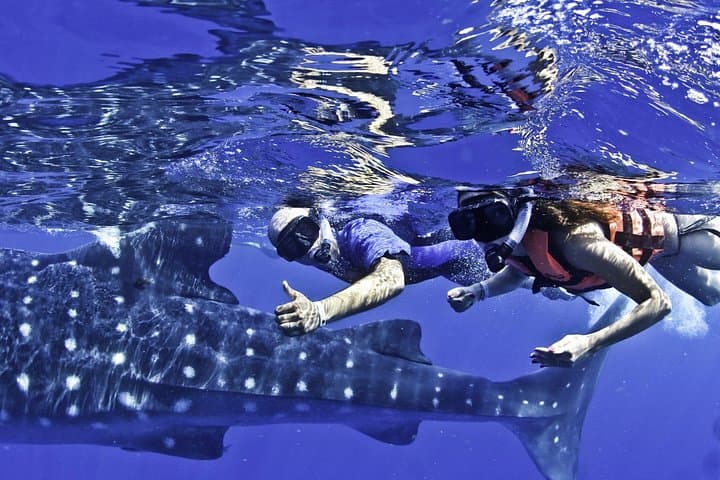
A predawn speedboat slips away from Playa del Carmen, engines low and salt spray cooling your face as the horizon lightens. The Caribbean stretches flat and wide; seabirds cut the air and the guide scans the water for the telltale shadow of a whale shark. When one arrives, the ocean’s motion changes—gentle, massive, deliberate—and the boat slows as swimmers slip into clear water to watch the world’s largest fish filter plankton within arm’s reach.
A predawn speedboat slips away from Playa del Carmen, engines low and salt spray cooling your face as the horizon lightens. The Caribbean stretches flat and wide; seabirds cut the air and the guide scans the water for the telltale shadow of a whale shark. When one arrives, the ocean’s motion changes—gentle, massive, deliberate—and the boat slows as swimmers slip into clear water to watch the world’s largest fish filter plankton within arm’s reach.
This stretch of Quintana Roo sits on the Yucatán carbonate shelf, where shallow seagrass beds and periodic upwellings attract plankton blooms; those blooms lure the seasonal whale shark migration. Isla Mujeres, once a humble fishing island and turtle sanctuary, now shares its shores with visitors drawn to marine wildlife and the region’s Maya-influenced coastal culture.
Expect an eight-hour excursion: hotel pickup by air-conditioned van, a fast run to the feeding zone, guided snorkel rotations, then a stop at Isla Mujeres for lunch and calm-water snorkeling. The trip is physically moderate—short swims on the surface but repeated entries from a moving boat—and not recommended for people with serious back, heart, or pregnancy concerns.
Practical notes: bring reef-safe sunscreen, a snug mask and fins, motion-sickness remedies, and a waterproof pouch for your phone. Respect the guides’ approach rules—maintain distance, don’t touch, and let the animal set the pace. Timing matters: sightings concentrate in warm months, so book early in high season and confirm the operator’s conservation practices. When the day closes with sun slicing the water, the memory is less a souvenir and more a clear ledger of why this coastline still matters.