THE ADVENTURE COLLECTIVE® · Independent discovery and booking for outdoor travel

Float beside the ocean’s largest fish in clear Yucatán water, snorkel Cabo Catoche’s reef caves, and finish with flamingos and fresh ceviche — a full-day, guide-led encounter that balances close-up marine viewing with practical safety measures.
Float beside the ocean’s largest fish in clear Yucatán water, snorkel Cabo Catoche’s reef caves, and finish with flamingos and fresh ceviche — a full-day, guide-led encounter that balances close-up marine viewing with practical safety measures.
The morning starts before the town wakes: a long, low sky above the pier, coffee steaming in paper cups as the guides check fins and life jackets. Boats cut a slow ribbon across shallow turquoise; the sea is a bright, living thing that seems to breathe. Within an hour you're offshore, the island straggling behind like an afterthought, and then the radio crackles: whalesharks sighted. The boat slows to a hush and the water changes from mirror to infinite pattern — the pale spots of the world's largest fish drifting like slow, living constellations.
Verified experiences and guided adventures in the surrounding area.
Operated by Glendy Tours · Holbox, Quintana Roo
The morning starts before the town wakes: a long, low sky above the pier, coffee steaming in paper cups as the guides check fins and life jackets. Boats cut a slow ribbon across shallow turquoise; the sea is a bright, living thing that seems to breathe. Within an hour you're offshore, the island straggling behind like an afterthought, and then the radio crackles: whalesharks sighted. The boat slows to a hush and the water changes from mirror to infinite pattern — the pale spots of the world's largest fish drifting like slow, living constellations.
Holbox sits off Mexico's Yucatán coast where the Gulf and Caribbean meet and currents sweep plankton into a seasonal feeding ground. The animals you came to see are linked to this geography: whale sharks arrive each summer to feed at the convergence of warm currents and nutrient-rich waters around Cabo Catoche. The island itself grew from fishing camps; its modern visitor economy grew around respectful, guide-led encounters that aim to balance tourism with the rhythms of marine life.
On this full-day tour (about 6–7 hours) guides maintain tight protocols — two swimmers per guide, a maximum of two in-water rounds per person — designed to minimize disturbance while maximizing sighting chance. After the whale shark encounter you’ll snorkel the reef “caves” at Cabo Catoche, where turtles and reef fish move through coral plates carved from ancient limestone. Later, the captain pulls into a small fishing camp and serves fresh fish ceviche and guacamole under low trees; hammocks wait while flamingos perform at Punta Mosquito, a pink contrast to the blue beyond.
Practical edge: the operator supplies mask, snorkel and fins, bottled water, life jackets and a hotel transfer. Meeting point is Tuch Holbox by Big Fish across from the Whale Shark Pier; pickup windows run about 25–30 minutes before departure for Holbox hotels. The trip is suitable for most fitness levels but not recommended for very young children, pregnant travelers, or people with serious back or heart conditions. Weather cancellations are possible; cancel at least 24 hours beforehand for a full refund.
For a smooth day bring reef-safe sunscreen, a snug snorkel mask (if you have one), a rash guard, motion-sickness medicine if you tend to roll in open water, and a waterproof phone case or camera. Respect the animals by following guides, keeping distance, and avoiding flash photography underwater. The payoff is immediate: a slow, colossal presence beneath you, the odd slow blink of a creature that feeds in aggregates of plankton — unhurried, enormous, and unexpectedly intimate.
By the time you return to the pier, the sun has shifted and Holbox resumes its slow commerce; you have a story that's part natural history and part small-boat adventure, one that leaves both memory and a sharper sense of why this shallow, productive sea matters.
easy.
6–7 hours.
Suitable for people with basic swimming skills and average fitness; expect short swims and time on a small boat.
Best sightings run roughly from May to September when whale sharks aggregate to feed on plankton, though sightings can occur outside these months.
Basic snorkeling ability and comfort in the water are required; guides accompany swimmers and provide basic instruction.
Yes — mask, snorkel and fins are included, but many travelers bring their own for fit and comfort.
Not recommended for children under 3, pregnant travelers, or people with serious heart or spinal conditions; check with the operator if unsure.
Plan for 6–7 hours; meet at Tuch Holbox by Big Fish across from the Whale Shark Pier. Hotel pickup may be available on Holbox.
Full refunds are available if you cancel at least 24 hours before departure; trips may be canceled due to weather.
Holbox evolved from small fishing settlements; its shallow lagoons and channels have long supported a local fishery and traditional coastal life.
Operators follow strict proximity and swimmer limits to reduce stress on whale sharks; visitors are encouraged to use reef‑safe sunscreen and avoid touching marine life.
Glendy Tours operates guided outdoor trips and adventures with an emphasis on safety, stewardship, and memorable experiences.
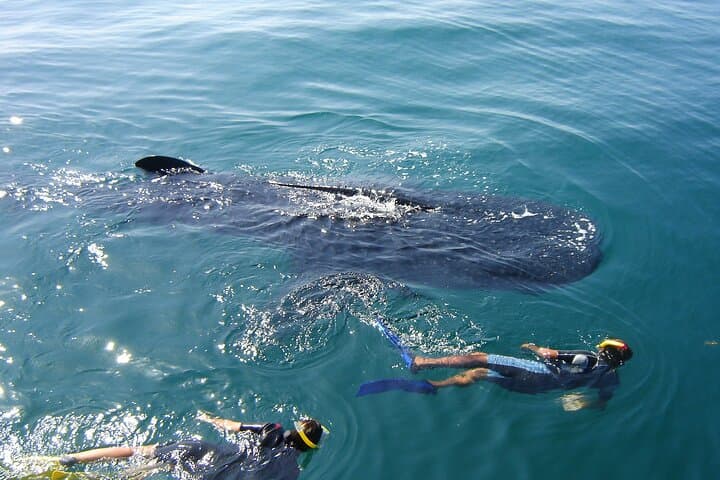
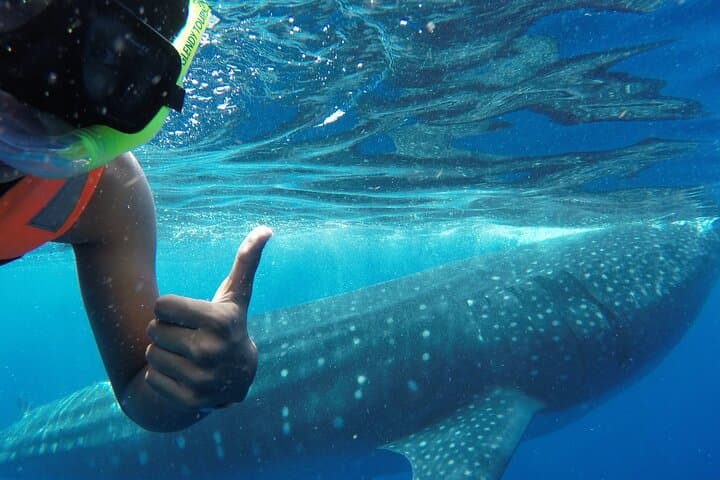
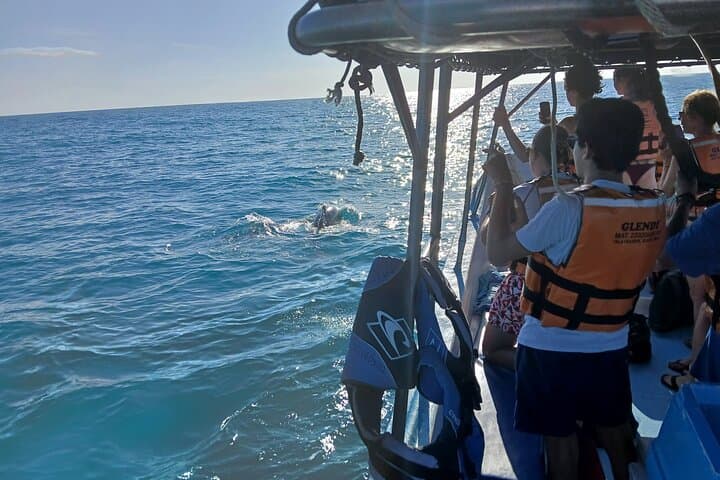
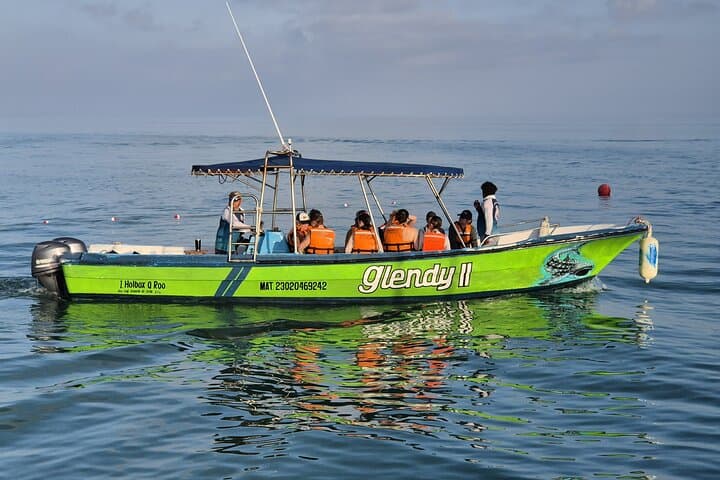
The morning starts before the town wakes: a long, low sky above the pier, coffee steaming in paper cups as the guides check fins and life jackets. Boats cut a slow ribbon across shallow turquoise; the sea is a bright, living thing that seems to breathe. Within an hour you're offshore, the island straggling behind like an afterthought, and then the radio crackles: whalesharks sighted. The boat slows to a hush and the water changes from mirror to infinite pattern — the pale spots of the world's largest fish drifting like slow, living constellations.
The morning starts before the town wakes: a long, low sky above the pier, coffee steaming in paper cups as the guides check fins and life jackets. Boats cut a slow ribbon across shallow turquoise; the sea is a bright, living thing that seems to breathe. Within an hour you're offshore, the island straggling behind like an afterthought, and then the radio crackles: whalesharks sighted. The boat slows to a hush and the water changes from mirror to infinite pattern — the pale spots of the world's largest fish drifting like slow, living constellations.
Holbox sits off Mexico's Yucatán coast where the Gulf and Caribbean meet and currents sweep plankton into a seasonal feeding ground. The animals you came to see are linked to this geography: whale sharks arrive each summer to feed at the convergence of warm currents and nutrient-rich waters around Cabo Catoche. The island itself grew from fishing camps; its modern visitor economy grew around respectful, guide-led encounters that aim to balance tourism with the rhythms of marine life.
On this full-day tour (about 6–7 hours) guides maintain tight protocols — two swimmers per guide, a maximum of two in-water rounds per person — designed to minimize disturbance while maximizing sighting chance. After the whale shark encounter you’ll snorkel the reef “caves” at Cabo Catoche, where turtles and reef fish move through coral plates carved from ancient limestone. Later, the captain pulls into a small fishing camp and serves fresh fish ceviche and guacamole under low trees; hammocks wait while flamingos perform at Punta Mosquito, a pink contrast to the blue beyond.
Practical edge: the operator supplies mask, snorkel and fins, bottled water, life jackets and a hotel transfer. Meeting point is Tuch Holbox by Big Fish across from the Whale Shark Pier; pickup windows run about 25–30 minutes before departure for Holbox hotels. The trip is suitable for most fitness levels but not recommended for very young children, pregnant travelers, or people with serious back or heart conditions. Weather cancellations are possible; cancel at least 24 hours beforehand for a full refund.
For a smooth day bring reef-safe sunscreen, a snug snorkel mask (if you have one), a rash guard, motion-sickness medicine if you tend to roll in open water, and a waterproof phone case or camera. Respect the animals by following guides, keeping distance, and avoiding flash photography underwater. The payoff is immediate: a slow, colossal presence beneath you, the odd slow blink of a creature that feeds in aggregates of plankton — unhurried, enormous, and unexpectedly intimate.
By the time you return to the pier, the sun has shifted and Holbox resumes its slow commerce; you have a story that's part natural history and part small-boat adventure, one that leaves both memory and a sharper sense of why this shallow, productive sea matters.