THE ADVENTURE COLLECTIVE® · Independent discovery and booking for outdoor travel

Board a speedboat north of Cancún for a full-day expedition to Isla Contoy, where seasonal concentrations of whale sharks offer guided snorkel encounters. This practical guide covers what to expect, safety rules, and local tips to make the most of the trip.
Board a speedboat north of Cancún for a full-day expedition to Isla Contoy, where seasonal concentrations of whale sharks offer guided snorkel encounters. This practical guide covers what to expect, safety rules, and local tips to make the most of the trip.
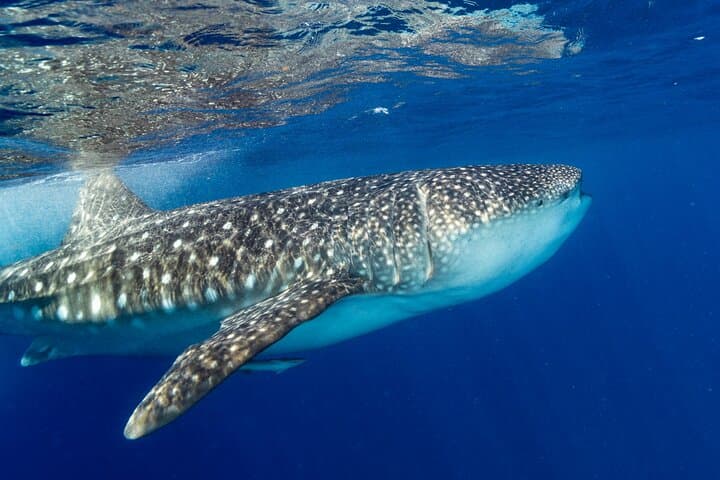
The boat slips past turquoise shallows and the reef's rumpled ridge, engines dropping to a patient hum as the crew scans for the telltale dark backs and spotted flanks.
Verified experiences and guided adventures in the surrounding area.
Operated by Stap Travel · Cancún, Quintana Roo
The boat slips past turquoise shallows and the reef's rumpled ridge, engines dropping to a patient hum as the crew scans for the telltale dark backs and spotted flanks.
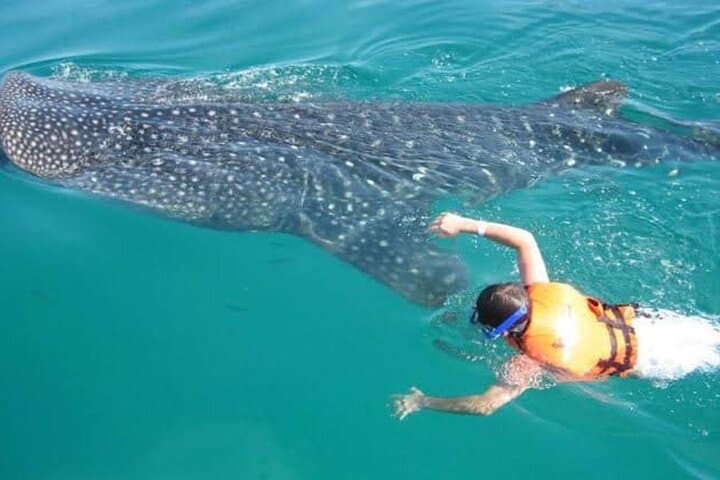
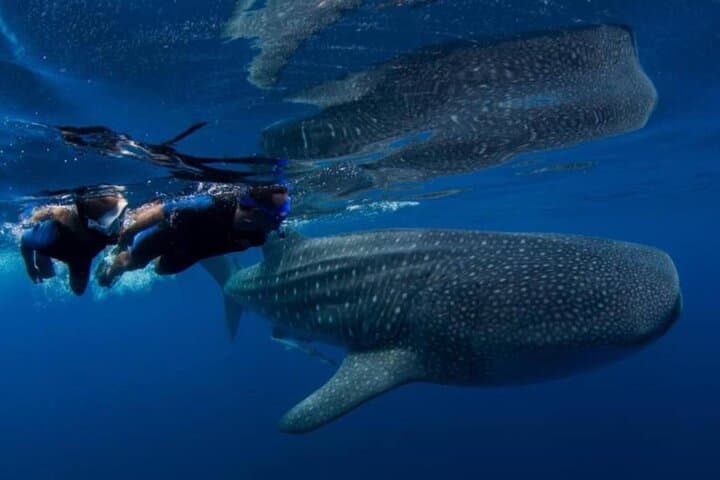
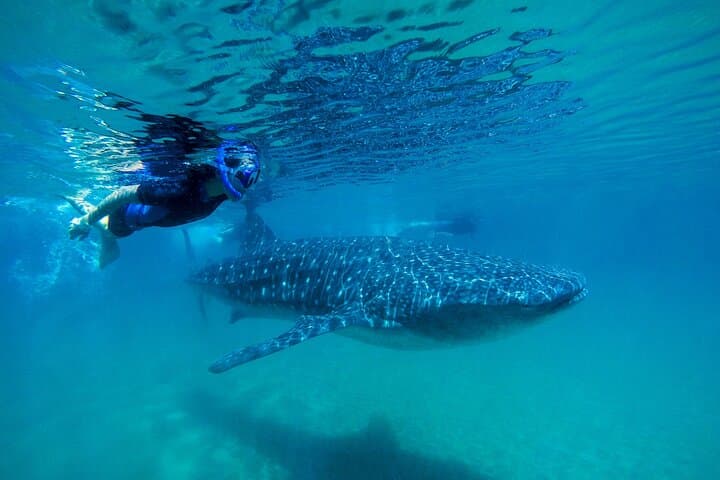
On a clear summer morning off Isla Contoy, the water smells faintly of salt and diesel, and the horizon feels close enough to touch — until a placid, cathedral-sized shadow glides beneath the surface and reorders your sense of scale.
This stretch of the western Caribbean is a seasonal corridor for whale sharks (Rhincodon typus), whose annual movements concentrate near Isla Contoy and surrounding waters. The island itself is a protected reserve with nesting seabirds and coral heads that record the region's reef-building geology. Local guides—often bilingual—blend natural history with practical safety: how the sharks filter-feed, why they gather here in summer, and how to keep encounters low-impact.
Expect a six- to seven-hour trip: coastal cruise, multiple snorkel entries (2–3 per person), and on-board refreshments like ceviche. Swims are guided in pairs; life vests are mandatory and biodegradable sunscreen required. Weather and animal presence are variable—sometimes giant manta rays join the show, other days the ocean is a classroom of currents and patience.
Practical advice: arrive hydrated and rested, practice breath control in the pool beforehand if you're nervous about long snorkels, and follow the guide's approach and distancing rules. The experience reads like a lesson in humility—these animals set the pace—but with the right preparation it's one of the most accessible large-animal encounters on the planet.
moderate.
6–7 hours.
Suitable for people with basic swimming ability and moderate fitness; expect multiple short snorkel bursts and boat transfers.
Peak season runs roughly May through September, when plankton blooms and local currents draw concentrations near Isla Contoy.
No; they are filter feeders and not aggressive, but you must follow guides' distancing rules to avoid stressing them or violating regulations.
Most operators require basic swimming ability; life vests are provided, but non‑swimmers should notify the operator and may be limited in water time.
Tours may cancel or delay depending on sightings and weather; check cancellation policy (full refund typically if canceled 24+ hours prior).
Isla Contoy is a protected national park known for bird colonies and a long history of conservation effort to preserve nesting sites and coral reefs.
Operators require reef‑safe sunscreen and limited boat proximity to reduce stress on animals; small-group, guide‑led swims help minimize impact.
Stap Travel operates guided outdoor trips and adventures with an emphasis on safety, stewardship, and memorable experiences.
The boat slips past turquoise shallows and the reef's rumpled ridge, engines dropping to a patient hum as the crew scans for the telltale dark backs and spotted flanks.
The boat slips past turquoise shallows and the reef's rumpled ridge, engines dropping to a patient hum as the crew scans for the telltale dark backs and spotted flanks.
On a clear summer morning off Isla Contoy, the water smells faintly of salt and diesel, and the horizon feels close enough to touch — until a placid, cathedral-sized shadow glides beneath the surface and reorders your sense of scale.
This stretch of the western Caribbean is a seasonal corridor for whale sharks (Rhincodon typus), whose annual movements concentrate near Isla Contoy and surrounding waters. The island itself is a protected reserve with nesting seabirds and coral heads that record the region's reef-building geology. Local guides—often bilingual—blend natural history with practical safety: how the sharks filter-feed, why they gather here in summer, and how to keep encounters low-impact.
Expect a six- to seven-hour trip: coastal cruise, multiple snorkel entries (2–3 per person), and on-board refreshments like ceviche. Swims are guided in pairs; life vests are mandatory and biodegradable sunscreen required. Weather and animal presence are variable—sometimes giant manta rays join the show, other days the ocean is a classroom of currents and patience.
Practical advice: arrive hydrated and rested, practice breath control in the pool beforehand if you're nervous about long snorkels, and follow the guide's approach and distancing rules. The experience reads like a lesson in humility—these animals set the pace—but with the right preparation it's one of the most accessible large-animal encounters on the planet.