THE ADVENTURE COLLECTIVE® · Independent discovery and booking for outdoor travel

Float at the surface as the world’s largest fish glides beneath you—La Paz becomes a classroom of scale and calm. Learn the rhythms of whale shark season, what to expect from the boat, and how to prepare for a respectful, safe encounter.
Float at the surface as the world’s largest fish glides beneath you—La Paz becomes a classroom of scale and calm. Learn the rhythms of whale shark season, what to expect from the boat, and how to prepare for a respectful, safe encounter.
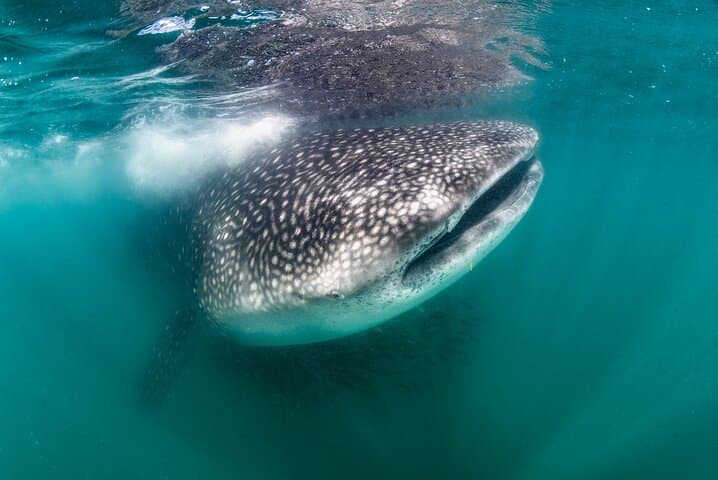
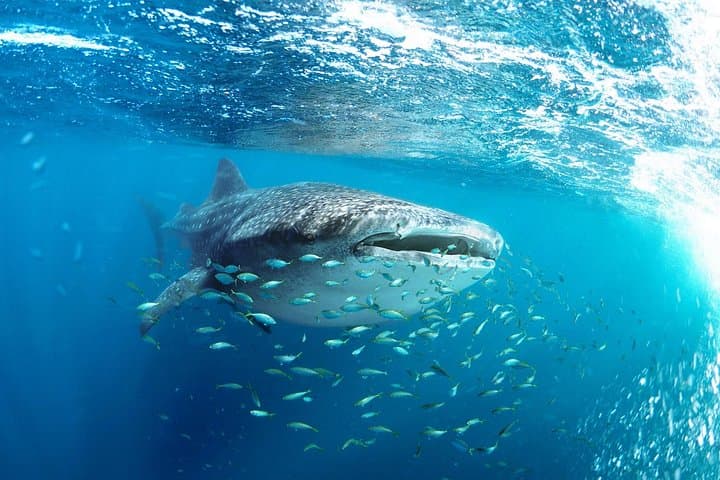
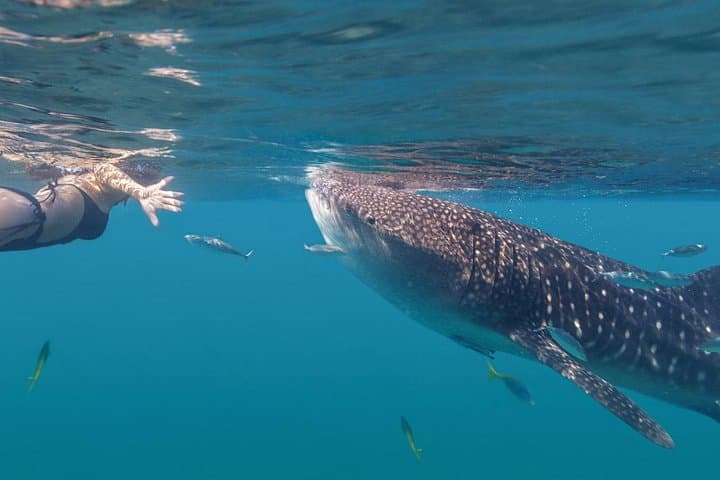
Early light fractures across the Sea of Cortez as small skiffs slide away from La Paz’s Fiscal Dock, engines low and eyes high for a fin or broad shadow beneath the surface. The water here can feel like a stage: El Mogote’s sandbar releases clouds of plankton and the ocean answers by drawing the whale sharks close. You enter the sea with a mask and snorkel, the surface soft under your hands, and a gentle current nudges you toward giants that move as if they barely notice your presence.
Verified experiences and guided adventures in the surrounding area.
Operated by Mexico Travel Adventure · La Paz, Baja California Sur
Early light fractures across the Sea of Cortez as small skiffs slide away from La Paz’s Fiscal Dock, engines low and eyes high for a fin or broad shadow beneath the surface. The water here can feel like a stage: El Mogote’s sandbar releases clouds of plankton and the ocean answers by drawing the whale sharks close. You enter the sea with a mask and snorkel, the surface soft under your hands, and a gentle current nudges you toward giants that move as if they barely notice your presence.
This stretch of Baja California Sur has been a seasonal gathering place for whale sharks—Rhincodon typus—since fishermen first noticed their steady return. Geologically, the Gulf’s shallow shelves and nutrient upwellings around sandbars create concentrated feeding zones. Local fishing communities and tour operators have learned to choreograph encounters: limited group sizes, brief water time, and strict boat protocols to protect both swimmers and sharks.
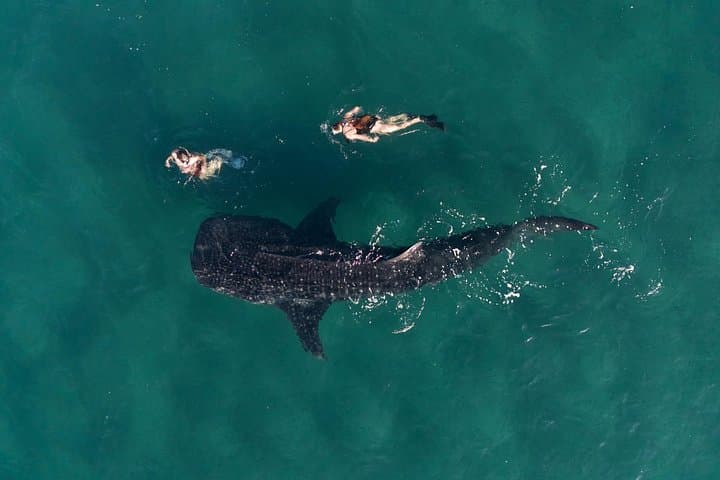
Practically, the trip is compact: expect about three hours total, a short boat ride, and several timed swims with groups of up to five. Tours run mainly November through April when plankton blooms peak; operators typically meet early (around 7:15 a.m.) at the Fiscal Dock. Bring reef-safe sunscreen, a snug mask, and patience—timing and ranger-assigned slots can change until the morning of the trip.
On the water, keep calm and float, let the animal set the pace, and follow your guide’s instructions on approach distance. Hydrate before you board, secure loose gear, and respect the marine life: the best memories come from quiet observation and careful planning.
easy.
3 hours.
Basic swimming ability and comfort in open water; no advanced fitness required but you should be able to snorkel and climb on/off a small boat.
The most reliable window is November through April when plankton concentrations attract whale sharks near El Mogote.
No—tours are marketed for all fitness levels, but you should be comfortable floating, breathing through a snorkel, and following guide instructions.
Yes; most operators supply masks, snorkels, and fins, though many travelers bring personal masks for comfort.
Guidelines typically require maintaining a respectful distance—follow your guide and local regulations, which often limit approach to a few meters and prohibit touching.
La Paz has long been a fishing and maritime hub; small‑boat communities adapted ecotourism around seasonal marine visitors like whale sharks over recent decades.
Local operators work with park rangers and abide by strict approach rules to minimize disturbance; choose companies that follow permit and wildlife guidelines.
Mexico Travel Adventure operates guided outdoor trips and adventures with an emphasis on safety, stewardship, and memorable experiences.
Early light fractures across the Sea of Cortez as small skiffs slide away from La Paz’s Fiscal Dock, engines low and eyes high for a fin or broad shadow beneath the surface. The water here can feel like a stage: El Mogote’s sandbar releases clouds of plankton and the ocean answers by drawing the whale sharks close. You enter the sea with a mask and snorkel, the surface soft under your hands, and a gentle current nudges you toward giants that move as if they barely notice your presence.
Early light fractures across the Sea of Cortez as small skiffs slide away from La Paz’s Fiscal Dock, engines low and eyes high for a fin or broad shadow beneath the surface. The water here can feel like a stage: El Mogote’s sandbar releases clouds of plankton and the ocean answers by drawing the whale sharks close. You enter the sea with a mask and snorkel, the surface soft under your hands, and a gentle current nudges you toward giants that move as if they barely notice your presence.
This stretch of Baja California Sur has been a seasonal gathering place for whale sharks—Rhincodon typus—since fishermen first noticed their steady return. Geologically, the Gulf’s shallow shelves and nutrient upwellings around sandbars create concentrated feeding zones. Local fishing communities and tour operators have learned to choreograph encounters: limited group sizes, brief water time, and strict boat protocols to protect both swimmers and sharks.
Practically, the trip is compact: expect about three hours total, a short boat ride, and several timed swims with groups of up to five. Tours run mainly November through April when plankton blooms peak; operators typically meet early (around 7:15 a.m.) at the Fiscal Dock. Bring reef-safe sunscreen, a snug mask, and patience—timing and ranger-assigned slots can change until the morning of the trip.
On the water, keep calm and float, let the animal set the pace, and follow your guide’s instructions on approach distance. Hydrate before you board, secure loose gear, and respect the marine life: the best memories come from quiet observation and careful planning.