THE ADVENTURE COLLECTIVE® · Independent discovery and booking for outdoor travel

Head offshore from La Paz for a guided swim alongside the world’s largest fish. This four‑hour boat trip (about one hour out, two hours swimming) pairs close encounters with strict local rules to protect the whale sharks and swimmers alike.
Head offshore from La Paz for a guided swim alongside the world’s largest fish. This four‑hour boat trip (about one hour out, two hours swimming) pairs close encounters with strict local rules to protect the whale sharks and swimmers alike.
The boat slips out of La Paz harbor at noon and the bay opens like a page. Salt air sharpens the senses; the engine's steady thrum counts the miles as gulls wheel and the water turns a deeper, tectonic blue. After roughly an hour offshore, guides scan the surface and, suddenly, a mottled back breaks the plane — the whale shark appears as a slow-moving continent beneath the skin of the sea, unhurried and enormous.
Verified experiences and guided adventures in the surrounding area.
Operated by ROGACI · La Paz, Baja California Sur
The boat slips out of La Paz harbor at noon and the bay opens like a page. Salt air sharpens the senses; the engine's steady thrum counts the miles as gulls wheel and the water turns a deeper, tectonic blue. After roughly an hour offshore, guides scan the surface and, suddenly, a mottled back breaks the plane — the whale shark appears as a slow-moving continent beneath the skin of the sea, unhurried and enormous.
The Gulf of California is a young sea carved by tectonics; its nutrient-rich currents draw plankton that feed the whale sharks each season. Local fishing communities have watched the migrations for generations and today operate under strict SEMAR and protected-area guidelines to minimize disturbance. This stretch of water sits within a biologically important corridor that supports sea lions, manta rays, and migratory birds.
Practically speaking: the tour runs about four hours, with roughly two hours in the water. Guides brief swimmers on spacing and approach — you don’t touch, you float, you let the animal choose proximity. Expect choppy patches, sun glare, and sudden bursts of wind; the current can push you farther than you intend, so stay near the guide and the boat’s ladder.
Bring reef-safe sunscreen, a snug mask or rental snorkel gear, a lightweight long-sleeve for sun and chafe, and a small dry bag for your phone. Hydrate before boarding, consider motion-sickness medication, and book after October 20 for the most consistent sightings. The experience balances awe with responsibility: you’re a brief visitor to a roaming giant’s world—observe quietly and follow local rules to keep it that way.
moderate.
4 hours.
Suitable for swimmers in good basic fitness who can snorkel and re‑enter the boat ladder multiple times; expect intermittent exertion.
Sightings are most consistent from late October through April, with mid‑October and late April noted as high‑probability months.
Yes—whale sharks are filter feeders and not dangerous, but safety comes from following guide instructions, keeping distance, and avoiding touching the animal.
This tour requires basic snorkeling ability and comfort in open water; non‑swimmers should discuss options with the operator before booking.
Trips are rescheduled in bad weather; operators typically offer full refunds or alternative dates if the captain cancels for safety reasons.
La Paz developed as a coastal fishing and port town; whale shark tourism became regulated as scientists and communities recognized the species’ importance to the Gulf’s ecology.
Operators follow SEMAR and local protected‑area rules—no touching, limited swimmers per animal, and set approach distances—to reduce stress on whale sharks and protect habitat.
ROGACI operates guided outdoor trips and adventures with an emphasis on safety, stewardship, and memorable experiences.
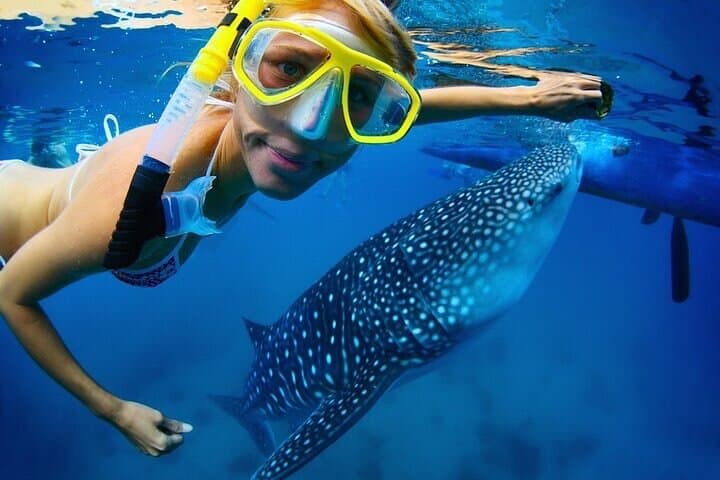
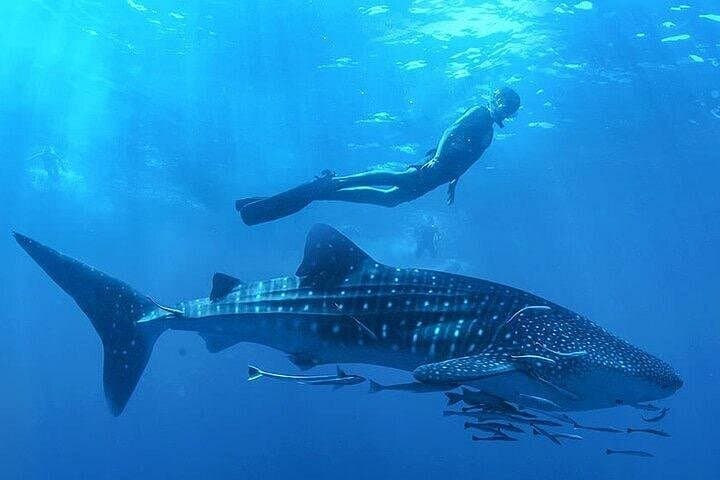
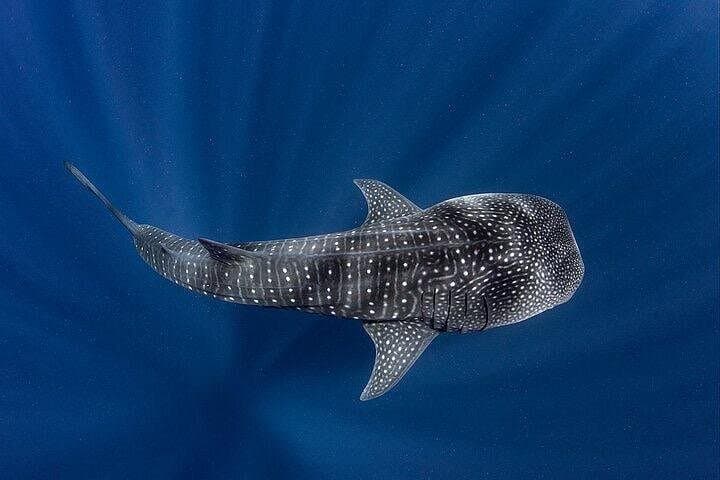
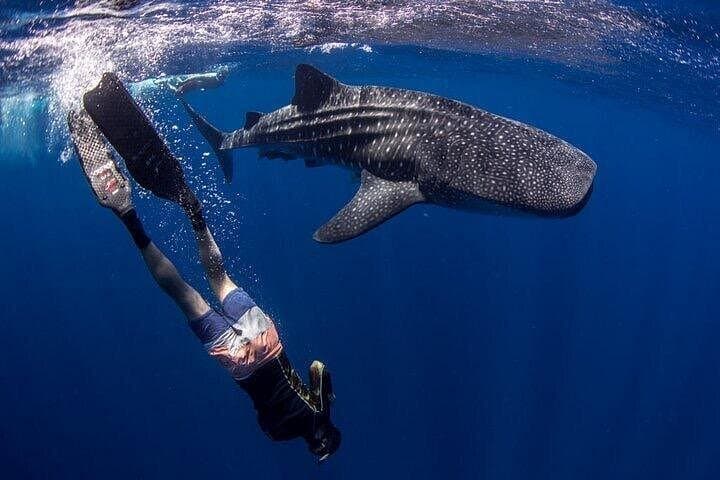
The boat slips out of La Paz harbor at noon and the bay opens like a page. Salt air sharpens the senses; the engine's steady thrum counts the miles as gulls wheel and the water turns a deeper, tectonic blue. After roughly an hour offshore, guides scan the surface and, suddenly, a mottled back breaks the plane — the whale shark appears as a slow-moving continent beneath the skin of the sea, unhurried and enormous.
The boat slips out of La Paz harbor at noon and the bay opens like a page. Salt air sharpens the senses; the engine's steady thrum counts the miles as gulls wheel and the water turns a deeper, tectonic blue. After roughly an hour offshore, guides scan the surface and, suddenly, a mottled back breaks the plane — the whale shark appears as a slow-moving continent beneath the skin of the sea, unhurried and enormous.
The Gulf of California is a young sea carved by tectonics; its nutrient-rich currents draw plankton that feed the whale sharks each season. Local fishing communities have watched the migrations for generations and today operate under strict SEMAR and protected-area guidelines to minimize disturbance. This stretch of water sits within a biologically important corridor that supports sea lions, manta rays, and migratory birds.
Practically speaking: the tour runs about four hours, with roughly two hours in the water. Guides brief swimmers on spacing and approach — you don’t touch, you float, you let the animal choose proximity. Expect choppy patches, sun glare, and sudden bursts of wind; the current can push you farther than you intend, so stay near the guide and the boat’s ladder.
Bring reef-safe sunscreen, a snug mask or rental snorkel gear, a lightweight long-sleeve for sun and chafe, and a small dry bag for your phone. Hydrate before boarding, consider motion-sickness medication, and book after October 20 for the most consistent sightings. The experience balances awe with responsibility: you’re a brief visitor to a roaming giant’s world—observe quietly and follow local rules to keep it that way.