THE ADVENTURE COLLECTIVE® · Independent discovery and booking for outdoor travel

Board a speedboat from Callao and meet colonies of South American sea lions at the Palomino Islands. This 2.5‑hour, family‑friendly trip combines marine wildlife viewing, optional wetsuit swims, and a short cruise around historically important islets.
Board a speedboat from Callao and meet colonies of South American sea lions at the Palomino Islands. This 2.5‑hour, family‑friendly trip combines marine wildlife viewing, optional wetsuit swims, and a short cruise around historically important islets.
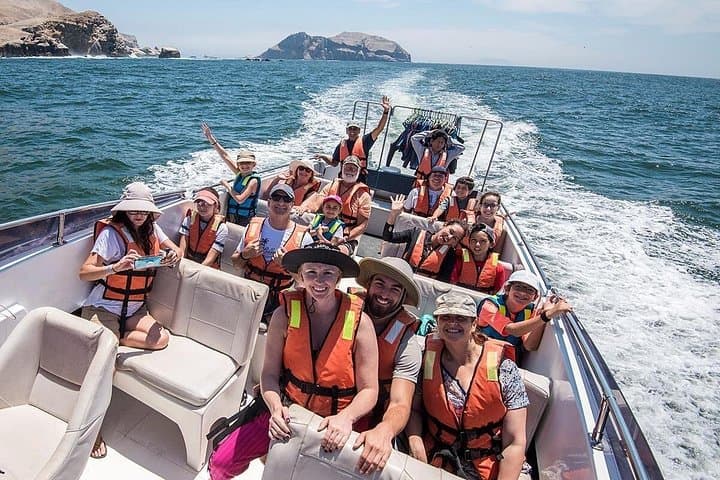
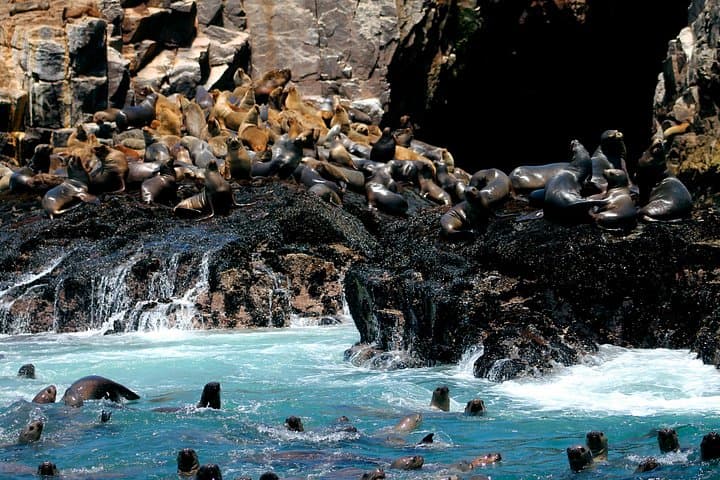
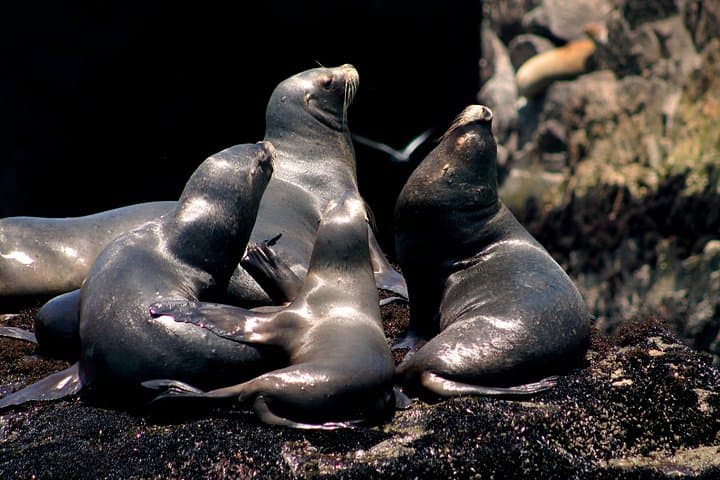
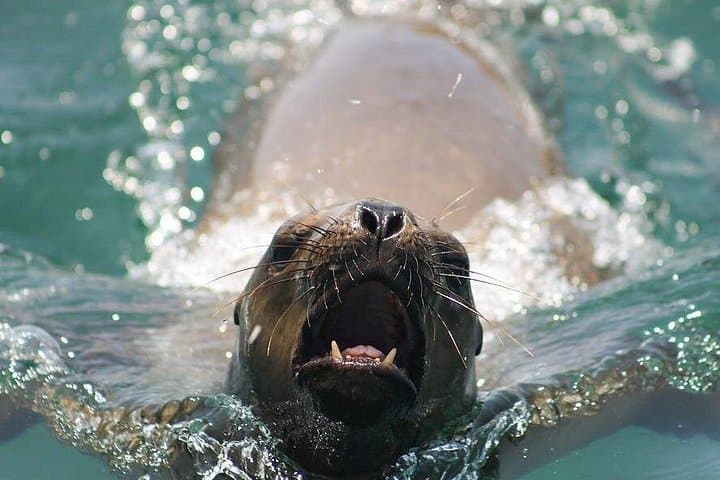
The engine thumps and the port recedes as the Callao skyline blurs into salt-sparkled horizon; within minutes the air smells of guano and kelp, and the island shapes harden from blue into rock. Sea lions appear first as curious silhouettes, then as barking, clumsy acrobats weaving around the bow — a raw welcome to Palomino Islands.
Verified experiences and guided adventures in the surrounding area.
Operated by MAR ADENTRO EXCURSIONES EIRL · Callao, Lima Region
The engine thumps and the port recedes as the Callao skyline blurs into salt-sparkled horizon; within minutes the air smells of guano and kelp, and the island shapes harden from blue into rock. Sea lions appear first as curious silhouettes, then as barking, clumsy acrobats weaving around the bow — a raw welcome to Palomino Islands.
This small protected group of islets off Callao sits on the cold Humboldt Current, a corridor that has sustained seabirds, penguins and fisheries for millennia. San Lorenzo and nearby rocky outcrops carry layers of pre-Columbian use and later guano-export history; today SERNANP oversees conservation and regulated visits to balance wildlife protection with local livelihoods.
Geology here is abrupt: wave-sculpted basalt cliffs, offshore sandbanks and marine terraces that reveal the ocean’s slow power. Culture is maritime and practical — fishermen, port crews and small tourism operators converge at the marina where trips launch.
On a typical 2.5‑hour outing you’ll cruise past warships and cargo, pass El Camotal sandbank, then drop anchor at Palomino where neoprene wetsuits make short swims comfortable in cold water. Guides brief on safe approaches and the no-contact rule; swimming is optional but offers the best close encounters with South American sea lions and diving cormorants.
Practical tips: bring a swimsuit, towel, layered warm top for the return, reef‑safe sunscreen and a waterproof case for your phone. Expect choppy seas at times — mornings are usually calmer. Respect posted buffers, follow guide instructions, and leave no trace: interactions here are permitted because the islands remain protected and carefully managed.
moderate.
2–3 hours.
Moderate fitness recommended: ability to mount/step into a speedboat and stand on a moving vessel; basic swimming ability advised for those who plan to enter the water.
No — swimming is optional; many visitors stay on board to observe and photograph the colony if they prefer not to enter the water.
Sea-surface temperatures are typically 14–18°C (57–64°F) due to the Humboldt Current; many operators supply neoprene wetsuits to make short swims comfortable.
Operators usually set a minimum age (often around 3 years) and require children to be accompanied by an adult; check booking specifics for exact rules.
Guides enforce no‑touch rules and buffer distances to minimize stress on animals; follow instructions closely and avoid sudden movements or feeding wildlife.
The islands and adjacent Callao bay have layered history from pre‑Columbian use to colonial guano extraction; today they are part of coastal conservation efforts under SERNANP.
Visits are regulated to protect colonies and breeding sites; travelers should avoid littering, touching animals, and follow guide protocols to minimize impact.
MAR ADENTRO EXCURSIONES EIRL operates guided outdoor trips and adventures with an emphasis on safety, stewardship, and memorable experiences.
The engine thumps and the port recedes as the Callao skyline blurs into salt-sparkled horizon; within minutes the air smells of guano and kelp, and the island shapes harden from blue into rock. Sea lions appear first as curious silhouettes, then as barking, clumsy acrobats weaving around the bow — a raw welcome to Palomino Islands.
The engine thumps and the port recedes as the Callao skyline blurs into salt-sparkled horizon; within minutes the air smells of guano and kelp, and the island shapes harden from blue into rock. Sea lions appear first as curious silhouettes, then as barking, clumsy acrobats weaving around the bow — a raw welcome to Palomino Islands.
This small protected group of islets off Callao sits on the cold Humboldt Current, a corridor that has sustained seabirds, penguins and fisheries for millennia. San Lorenzo and nearby rocky outcrops carry layers of pre-Columbian use and later guano-export history; today SERNANP oversees conservation and regulated visits to balance wildlife protection with local livelihoods.
Geology here is abrupt: wave-sculpted basalt cliffs, offshore sandbanks and marine terraces that reveal the ocean’s slow power. Culture is maritime and practical — fishermen, port crews and small tourism operators converge at the marina where trips launch.
On a typical 2.5‑hour outing you’ll cruise past warships and cargo, pass El Camotal sandbank, then drop anchor at Palomino where neoprene wetsuits make short swims comfortable in cold water. Guides brief on safe approaches and the no-contact rule; swimming is optional but offers the best close encounters with South American sea lions and diving cormorants.
Practical tips: bring a swimsuit, towel, layered warm top for the return, reef‑safe sunscreen and a waterproof case for your phone. Expect choppy seas at times — mornings are usually calmer. Respect posted buffers, follow guide instructions, and leave no trace: interactions here are permitted because the islands remain protected and carefully managed.