THE ADVENTURE COLLECTIVE® · Independent discovery and booking for outdoor travel

Board a small boat at La Paz’s Malecon and slip into water shared with the planet’s largest fish. This guided snorkeling trip pairs close-up wildlife encounters with local conservation rules and certified guides.
Board a small boat at La Paz’s Malecon and slip into water shared with the planet’s largest fish. This guided snorkeling trip pairs close-up wildlife encounters with local conservation rules and certified guides.
Dawn on La Paz’s Malecón is quiet but for the low thrum of outboard engines and gulls circling over the water. Guests meet at the Fiscal Pier, register with local guides, and push off into the calm bay where the sea opens to a blue that seems to breathe. The whale shark—slow, enormous and unbothered—appears as a dark silhouette that sails through plankton-rich water, its spotted flank brushing past sunlight.
Verified experiences and guided adventures in the surrounding area.
Operated by San Miguel Tours · La Paz, Baja California Sur
Dawn on La Paz’s Malecón is quiet but for the low thrum of outboard engines and gulls circling over the water. Guests meet at the Fiscal Pier, register with local guides, and push off into the calm bay where the sea opens to a blue that seems to breathe. The whale shark—slow, enormous and unbothered—appears as a dark silhouette that sails through plankton-rich water, its spotted flank brushing past sunlight.
The Gulf of California is a geologic hot spot: tectonic uplift created deep basins and islands like Isla Espíritu Santo, concentrating nutrients and supporting dense marine life. La Paz’s fishing traditions and more recent marine research have made the bay both an economic and conservation focal point; regulators and operators now run guided, limited-size swims to protect animals and anglers alike.
Expect a practical, closely managed outing: a 3-hour tour leaving from the Malecon, safety briefing, equipment provided (mask, fins, snorkel, life jacket, wetsuit), and guided small groups into the sighting area. Guides enforce distance and rotation so encounters are respectful—no touching, no crowding. Water can range from cool to temperate; surface conditions are typically gentle but can chop with wind.
Bring a reef-safe sunscreen, a snug mask, and a lightweight cover-up for the ride back. Time your trip during peak season (late fall through spring) for the best odds, arrive hydrated, and listen to local guides— they balance thrill with responsibility. The swim is equal parts quiet awe and focused observation: the animal moves; you adjust and follow, an encounter measured in meters and minutes but remembered for years.
moderate.
3 hours.
Comfortable swimming ability and the ability to snorkel in open water; not strenuous but requires basic stamina and mobility getting on/off a low boat.
Sightings are most reliable between late fall and spring (roughly November–April), though timing can vary year to year with plankton blooms.
Yes—operators provide life jackets, wetsuits and certified guides; participants should be comfortable in the water and able to follow instructions.
No—touching or feeding is prohibited to protect the animals and you; guides enforce distance and behavior rules.
Basic snorkeling gear and life jackets are included; non‑swimmers can often join on the boat or use flotation, but check operator policies before booking.
La Paz grew from a fishing and pearl-diving economy; marine research and ecotourism expanded in the late 20th century as the bay’s importance to biodiversity became clear.
Operators work under local regulations and marine protected area rules—follow guide instructions, use reef‑safe products, and avoid crowding animals to reduce impact.
San Miguel Tours operates guided outdoor trips and adventures with an emphasis on safety, stewardship, and memorable experiences.
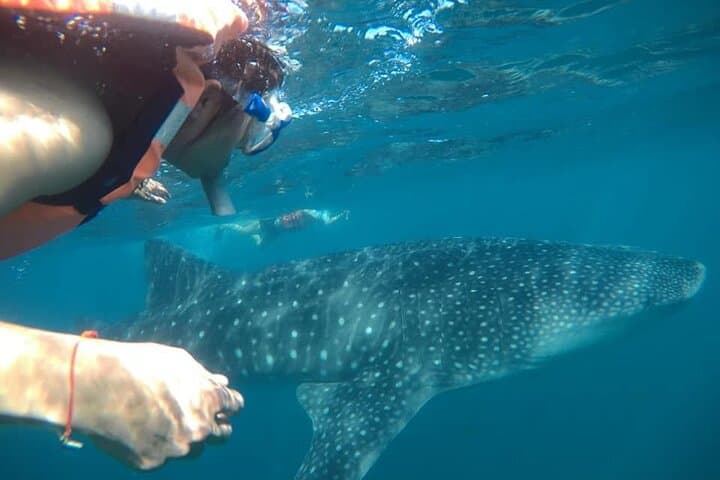
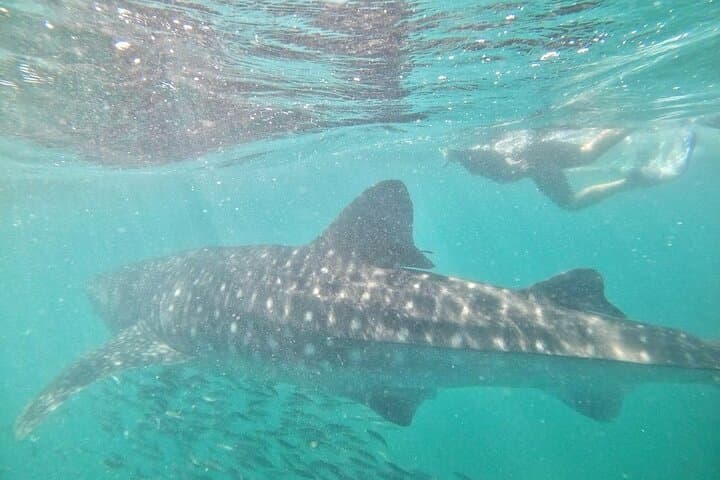
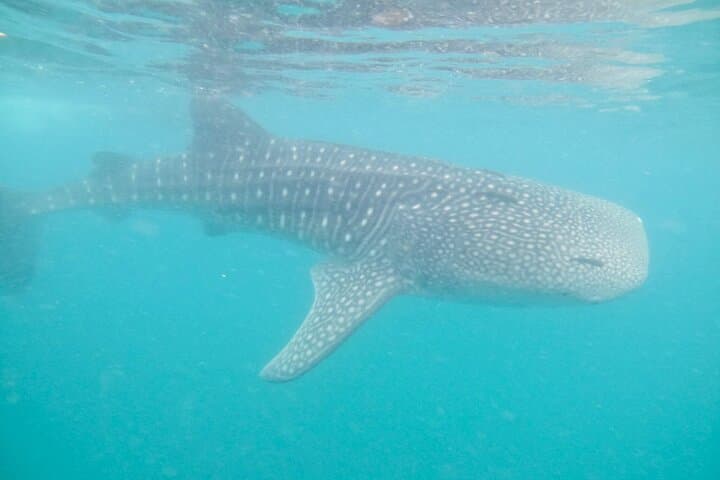
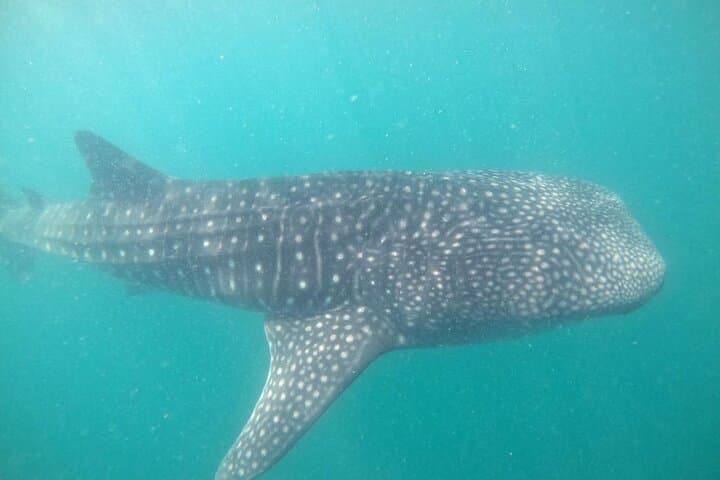
Dawn on La Paz’s Malecón is quiet but for the low thrum of outboard engines and gulls circling over the water. Guests meet at the Fiscal Pier, register with local guides, and push off into the calm bay where the sea opens to a blue that seems to breathe. The whale shark—slow, enormous and unbothered—appears as a dark silhouette that sails through plankton-rich water, its spotted flank brushing past sunlight.
Dawn on La Paz’s Malecón is quiet but for the low thrum of outboard engines and gulls circling over the water. Guests meet at the Fiscal Pier, register with local guides, and push off into the calm bay where the sea opens to a blue that seems to breathe. The whale shark—slow, enormous and unbothered—appears as a dark silhouette that sails through plankton-rich water, its spotted flank brushing past sunlight.
The Gulf of California is a geologic hot spot: tectonic uplift created deep basins and islands like Isla Espíritu Santo, concentrating nutrients and supporting dense marine life. La Paz’s fishing traditions and more recent marine research have made the bay both an economic and conservation focal point; regulators and operators now run guided, limited-size swims to protect animals and anglers alike.
Expect a practical, closely managed outing: a 3-hour tour leaving from the Malecon, safety briefing, equipment provided (mask, fins, snorkel, life jacket, wetsuit), and guided small groups into the sighting area. Guides enforce distance and rotation so encounters are respectful—no touching, no crowding. Water can range from cool to temperate; surface conditions are typically gentle but can chop with wind.
Bring a reef-safe sunscreen, a snug mask, and a lightweight cover-up for the ride back. Time your trip during peak season (late fall through spring) for the best odds, arrive hydrated, and listen to local guides— they balance thrill with responsibility. The swim is equal parts quiet awe and focused observation: the animal moves; you adjust and follow, an encounter measured in meters and minutes but remembered for years.