THE ADVENTURE COLLECTIVE® · Independent discovery and booking for outdoor travel

Step off Moorea’s shore into a world of blows and tail-slaps: a half-day, small-group swim with migrating humpbacks that balances close encounter and conservation. Practical tips and local rules help you prepare for ocean conditions and respectful viewing.
Step off Moorea’s shore into a world of blows and tail-slaps: a half-day, small-group swim with migrating humpbacks that balances close encounter and conservation. Practical tips and local rules help you prepare for ocean conditions and respectful viewing.
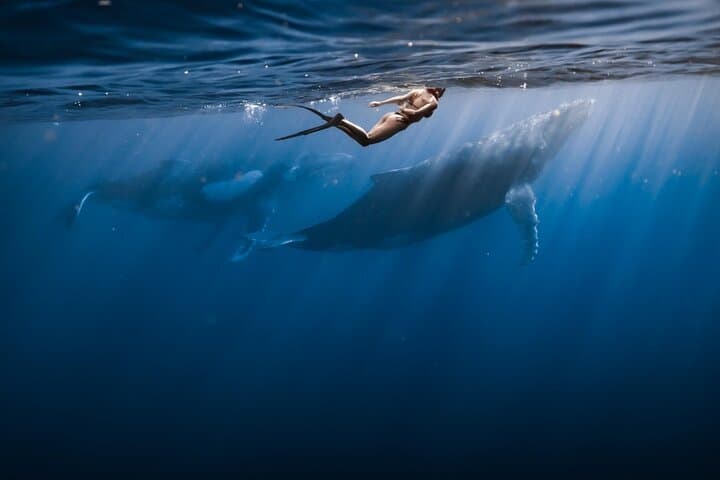
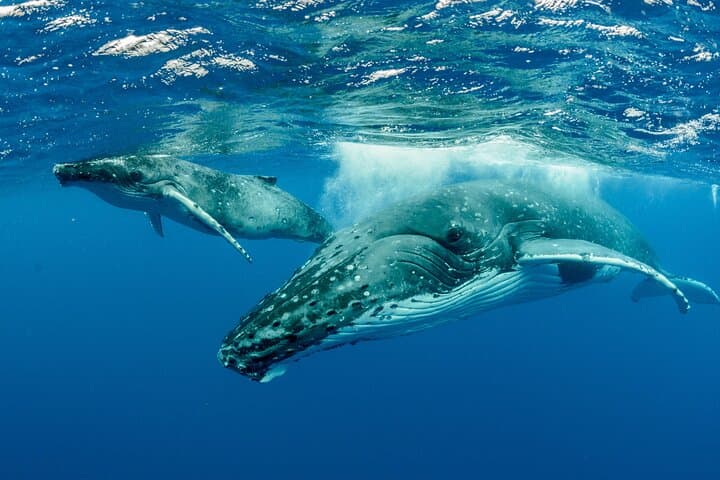
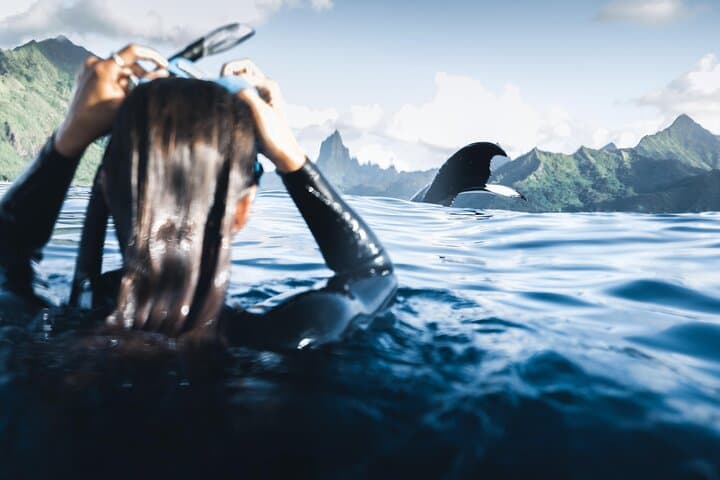
A slow swell rocks the aluminum hull as Moorea slides into view: serrated volcanic ridges drop into a green lagoon, and the ocean smells of salt and warm reef. On this half-day excursion, the watermen ease the boat to where the sea is alive — curving spouts, a distant tail-slap, then quiet. Guests slip into clear water to meet migrating humpbacks that come to Polynesian waters to breed and calve between July and late November.
Verified experiences and guided adventures in the surrounding area.
Operated by Moorea Expedition · Maharepa, Society Islands
A slow swell rocks the aluminum hull as Moorea slides into view: serrated volcanic ridges drop into a green lagoon, and the ocean smells of salt and warm reef. On this half-day excursion, the watermen ease the boat to where the sea is alive — curving spouts, a distant tail-slap, then quiet. Guests slip into clear water to meet migrating humpbacks that come to Polynesian waters to breed and calve between July and late November.
Moorea’s backbone is volcanic — basalt ridges carved by erosion — and the lagoon that cushions the island has long supported local fishing and navigation traditions. The guides here are local watermen who combine cultural knowledge with an emphasis on respectful interactions; new regulations limit swim groups to six guests per boat to reduce disturbance.
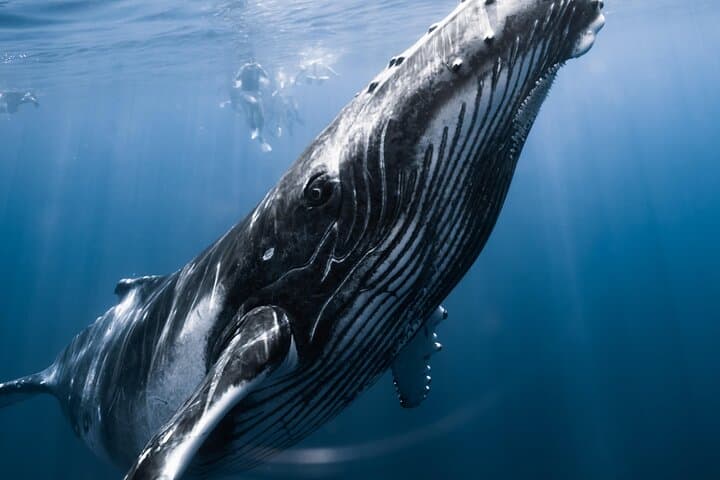
Expect up-close theatrical behavior: blows, rolling flukes, and gentle passes. Operators provide snorkel gear and flotation; French Polynesian law requires life jackets for whale swims unless you wear a neoprene wetsuit (shorty or full). Wetsuits are available to rent through partners.
Practical edge: this trip is ocean swimming, not a calm pool. Book for morning light and calmer seas, bring a wetsuit if you want exemption from life jackets, and prepare for variable conditions — currents, swell, and the whales’ own movements. The experience is part natural history lesson, part marine ethics briefing: you’ll leave with photos, salt in your hair, and a sharper sense of how to see big animals up close without overwhelming them.
challenging.
3–4 hours.
Should be in good cardiovascular shape and comfortable with sustained open-water swimming and snorkeling in variable conditions.
Humpbacks are typically present from July through late November; mornings often offer the calmest water for snorkeling and better visibility.
French Polynesian law requires life jackets for whale swims, but guests wearing a neoprene wetsuit are exempt — operators also supply life jackets onboard.
Tours may be canceled for safety or weather; operators follow local regulations and offer refunds or rescheduling per their policy.
Yes — non-swimmers can remain on the boat to observe and photograph whales while others enter the water; inform the operator ahead of time.
Moorea’s coastline and lagoon have supported Polynesian navigation and fishing for centuries; local watermen traditions remain central to marine stewardship.
The tour operates under stricter, recent regulations limiting group size to reduce disturbance; visitors are encouraged to use reef-safe products and follow guides’ instructions.
Moorea Expedition operates guided outdoor trips and adventures with an emphasis on safety, stewardship, and memorable experiences.
A slow swell rocks the aluminum hull as Moorea slides into view: serrated volcanic ridges drop into a green lagoon, and the ocean smells of salt and warm reef. On this half-day excursion, the watermen ease the boat to where the sea is alive — curving spouts, a distant tail-slap, then quiet. Guests slip into clear water to meet migrating humpbacks that come to Polynesian waters to breed and calve between July and late November.
A slow swell rocks the aluminum hull as Moorea slides into view: serrated volcanic ridges drop into a green lagoon, and the ocean smells of salt and warm reef. On this half-day excursion, the watermen ease the boat to where the sea is alive — curving spouts, a distant tail-slap, then quiet. Guests slip into clear water to meet migrating humpbacks that come to Polynesian waters to breed and calve between July and late November.
Moorea’s backbone is volcanic — basalt ridges carved by erosion — and the lagoon that cushions the island has long supported local fishing and navigation traditions. The guides here are local watermen who combine cultural knowledge with an emphasis on respectful interactions; new regulations limit swim groups to six guests per boat to reduce disturbance.
Expect up-close theatrical behavior: blows, rolling flukes, and gentle passes. Operators provide snorkel gear and flotation; French Polynesian law requires life jackets for whale swims unless you wear a neoprene wetsuit (shorty or full). Wetsuits are available to rent through partners.
Practical edge: this trip is ocean swimming, not a calm pool. Book for morning light and calmer seas, bring a wetsuit if you want exemption from life jackets, and prepare for variable conditions — currents, swell, and the whales’ own movements. The experience is part natural history lesson, part marine ethics briefing: you’ll leave with photos, salt in your hair, and a sharper sense of how to see big animals up close without overwhelming them.