THE ADVENTURE COLLECTIVE® · Independent discovery and booking for outdoor travel

Head offshore from Mo'orea between July and November for a 4‑hour whale tour that offers surface watching and—when conditions allow—regulated swims with migrating humpbacks. Expect guided observation, hydrophone listening, and strict animal‑welfare rules.
Head offshore from Mo'orea between July and November for a 4‑hour whale tour that offers surface watching and—when conditions allow—regulated swims with migrating humpbacks. Expect guided observation, hydrophone listening, and strict animal‑welfare rules.
A low, turquoise swell rocks the skiff as the guide eases out of the bay; the hydrophone hums and the sea seems to lean forward, listening. Within an hour the deck fills with salt and quiet expectation — this is Mo'orea between July and November, when Antarctic humpbacks arrive to breed, calve and sing. From the boat you feel the ocean’s weight and the whales' presence before you see them: a blow, a tail, the slow rise of a giant.
Verified experiences and guided adventures in the surrounding area.
Operated by Moorea Activities Center · Mo'orea, Society Islands
A low, turquoise swell rocks the skiff as the guide eases out of the bay; the hydrophone hums and the sea seems to lean forward, listening. Within an hour the deck fills with salt and quiet expectation — this is Mo'orea between July and November, when Antarctic humpbacks arrive to breed, calve and sing. From the boat you feel the ocean’s weight and the whales' presence before you see them: a blow, a tail, the slow rise of a giant.
Geology here is sharp coral fingers and volcanic ridges pushing up behind white sand. Polynesian culture treats whales with respect; elders tell of their role in navigation and myth, and modern guides follow strict local rules that protect mothers and calves. The hydrophone offers another layer: the whales' songs travel like low thunder under the hull, shaping the moment.
Practically, expect a 4‑hour outing that combines quiet searching, surface observation, and short guided swim opportunities only when cetacean behavior and weather allow. Guides carry masks, snorkels and fins; bring a sturdy swimsuit, reef‑safe sunscreen, and a waterproof camera. Motion‑sickness meds, a light layer for the ride out, and water are smart choices.
This trip is as much about patience and respect as it is about spectacle — operators prioritize animal welfare and safety, so sightings or swim permissions can’t be guaranteed. When conditions align, though, slipping into warm Polynesian water alongside a humpback is a rare, reverent encounter that lingers long after the boat pulls back toward the island.
moderate.
4 hours.
Moderate — should be comfortable entering and snorkeling in open water; ability to tread water and follow guide instructions is required.
No — swims are allowed only when whale behavior, calf presence, and weather conditions meet strict safety and welfare criteria; guides make final calls.
Infants must sit on an adult’s lap on the boat; swim participation depends on the child's size, ability, and the guide's safety assessment.
Operators may cancel for bad weather or unsuitable cetacean behavior; the rental's policy allows full refunds if canceled at least 24 hours in advance.
Masks, snorkels and fins are usually provided, but bringing your own well‑fitted gear improves comfort and hygiene.
Humpback whales migrate from Antarctic feeding grounds to Polynesian waters for breeding and calving; whales feature prominently in local navigation lore and cultural stories.
Operators follow local codes that limit interaction time and distance to protect mothers and calves; visitors are asked to use reef‑safe sunscreens and avoid touching wildlife.
Moorea Activities Center operates guided outdoor trips and adventures with an emphasis on safety, stewardship, and memorable experiences.
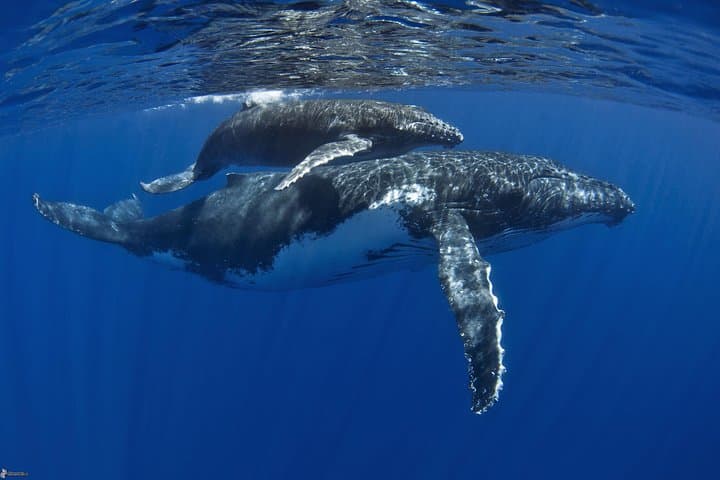
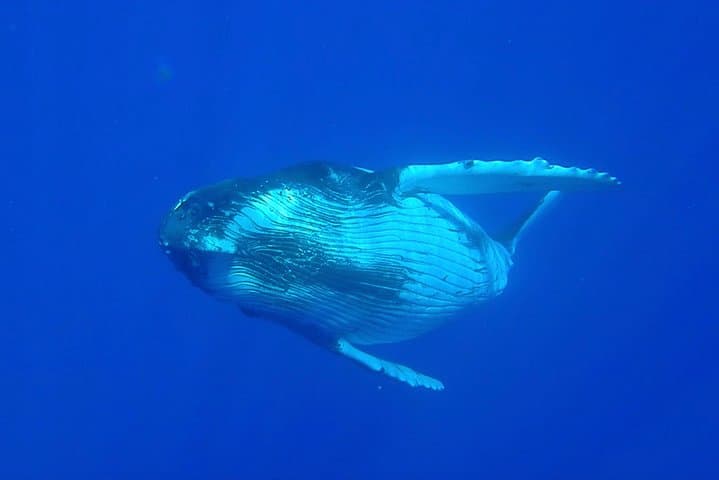
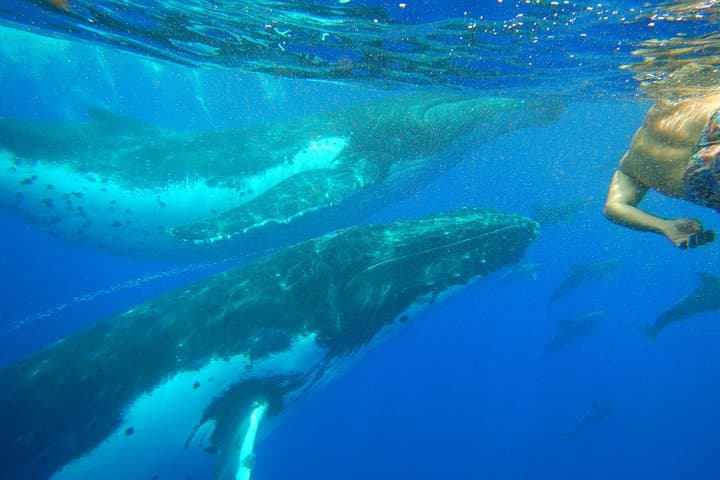
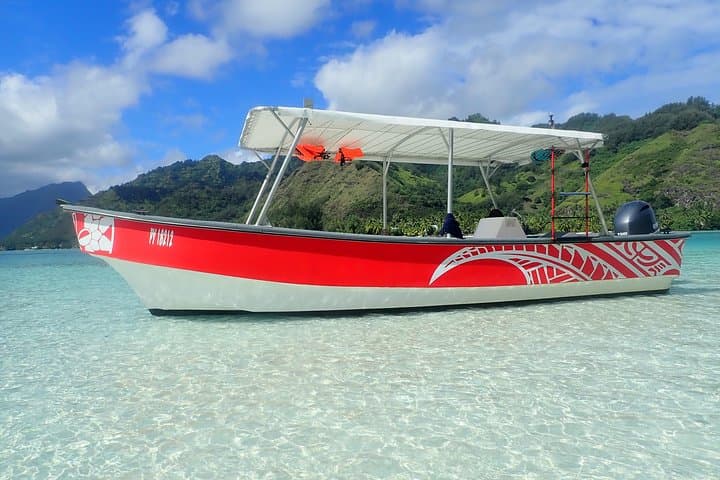
A low, turquoise swell rocks the skiff as the guide eases out of the bay; the hydrophone hums and the sea seems to lean forward, listening. Within an hour the deck fills with salt and quiet expectation — this is Mo'orea between July and November, when Antarctic humpbacks arrive to breed, calve and sing. From the boat you feel the ocean’s weight and the whales' presence before you see them: a blow, a tail, the slow rise of a giant.
A low, turquoise swell rocks the skiff as the guide eases out of the bay; the hydrophone hums and the sea seems to lean forward, listening. Within an hour the deck fills with salt and quiet expectation — this is Mo'orea between July and November, when Antarctic humpbacks arrive to breed, calve and sing. From the boat you feel the ocean’s weight and the whales' presence before you see them: a blow, a tail, the slow rise of a giant.
Geology here is sharp coral fingers and volcanic ridges pushing up behind white sand. Polynesian culture treats whales with respect; elders tell of their role in navigation and myth, and modern guides follow strict local rules that protect mothers and calves. The hydrophone offers another layer: the whales' songs travel like low thunder under the hull, shaping the moment.
Practically, expect a 4‑hour outing that combines quiet searching, surface observation, and short guided swim opportunities only when cetacean behavior and weather allow. Guides carry masks, snorkels and fins; bring a sturdy swimsuit, reef‑safe sunscreen, and a waterproof camera. Motion‑sickness meds, a light layer for the ride out, and water are smart choices.
This trip is as much about patience and respect as it is about spectacle — operators prioritize animal welfare and safety, so sightings or swim permissions can’t be guaranteed. When conditions align, though, slipping into warm Polynesian water alongside a humpback is a rare, reverent encounter that lingers long after the boat pulls back toward the island.