THE ADVENTURE COLLECTIVE® · Independent discovery and booking for outdoor travel

Trade the city for canyon light and electric-blue water. This private day from Muscat pairs Wadi Shab’s hike-and-swim pools with the surreal plunge of Bimmah Sinkhole—handled end-to-end by a local guide so you can move light and linger where it counts.
Trade the city for canyon light and electric-blue water. This private day from Muscat pairs Wadi Shab’s hike-and-swim pools with the surreal plunge of Bimmah Sinkhole—handled end-to-end by a local guide so you can move light and linger where it counts.
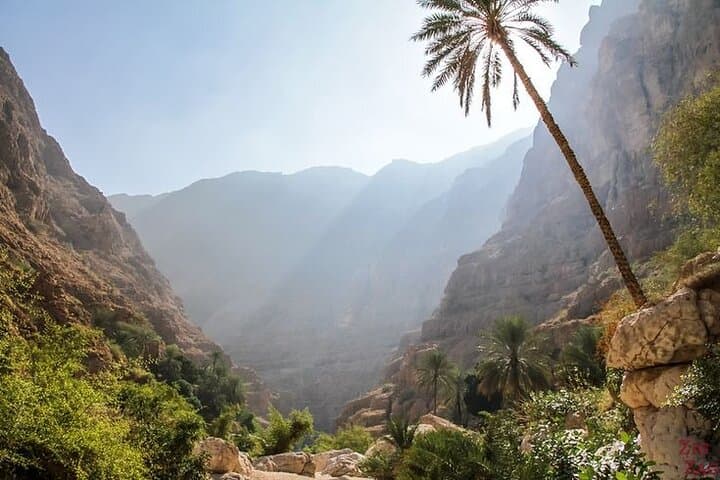
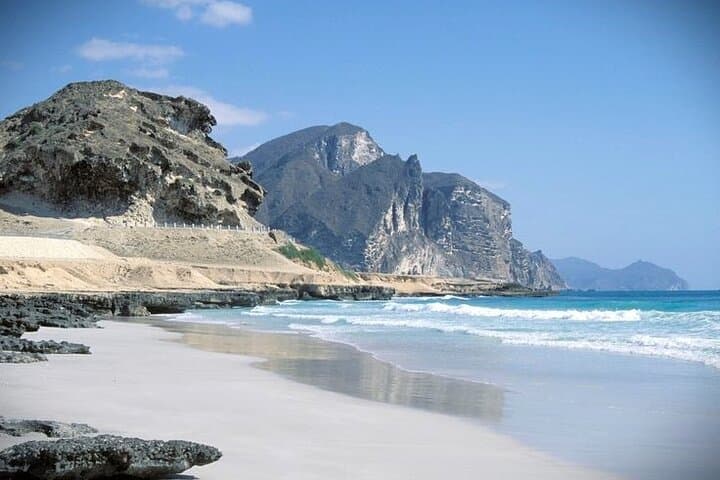
The highway slips east out of Muscat and the Gulf of Oman keeps pace, flashing turquoise as limestone bluffs shoulder the road. Villages appear and fade—date palms gathered around silver falaj channels—until the mountains split and a canyon opens its mouth. Wadi Shab calls you in. The wadi’s stream braids through boulders, urging you upstream as cliffs rise on both sides and palms throw shade that moves like a slow tide.
Verified experiences and guided adventures in the surrounding area.
Operated by Falcon Tours · Tiwi, Ash Sharqiyah South
The highway slips east out of Muscat and the Gulf of Oman keeps pace, flashing turquoise as limestone bluffs shoulder the road. Villages appear and fade—date palms gathered around silver falaj channels—until the mountains split and a canyon opens its mouth. Wadi Shab calls you in. The wadi’s stream braids through boulders, urging you upstream as cliffs rise on both sides and palms throw shade that moves like a slow tide.
This private day out combines two of Oman’s showpieces: Wadi Shab’s hike-to-swim adventure and the surreal blue eye of Bimmah Sinkhole. Your guide handles the logistics—hotel pickup, the coastal drive, entry fees—so you can focus on the terrain. At Wadi Shab, a short local boat shuttle (about 1 OMR cash) ferries you across the inlet. The trail quickly turns to rock-hopping and sandy singletrack, with occasional ledges and easy scrambles. Plan on 6 km roundtrip to the main pools with roughly 120 m of total elevation gain; allow 2–3 hours moving time, plus unhurried swims.
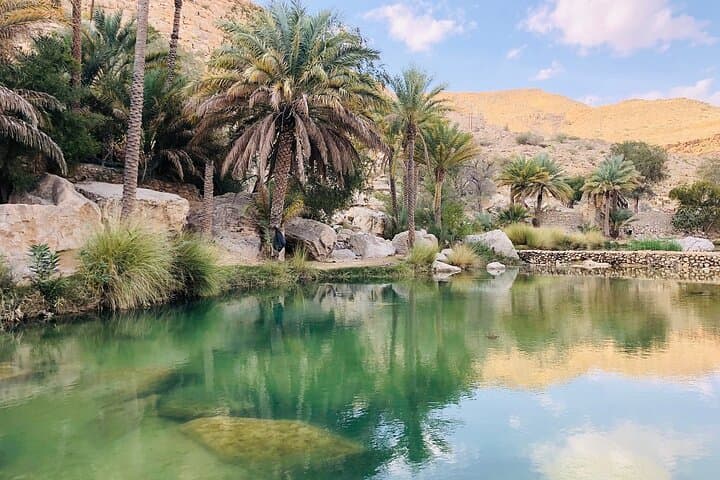
Pools collect in green bowls polished by centuries of flow. The final stretch is a swim—50–100 m—through a narrow slot where the canyon squeezes your echo and the water nudges you forward. Inside, a hidden waterfall thunders softly behind the rock, turning the chamber into a private spa. Wadi Shab is playful but not a theme park; it asks you to read the current, watch your footing, and carry your own water. In return, it cools the desert out of your bones.
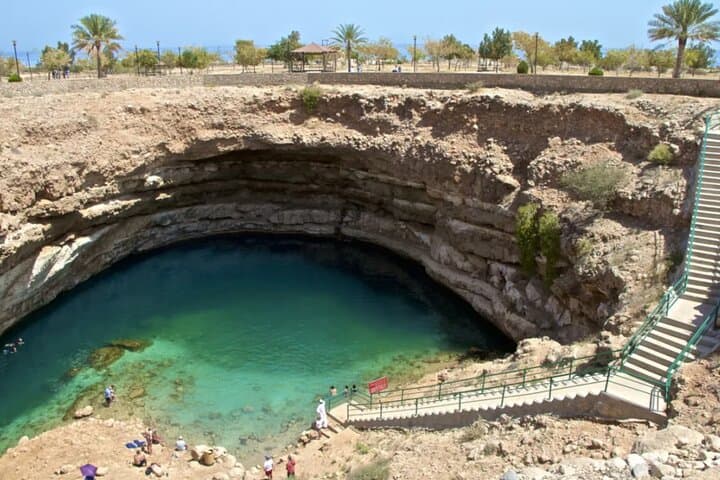
On the way back to Muscat, Bimmah Sinkhole—Hawiyat Najm—waits in a tidy park above the sea. Local lore points to a fallen star, but geology tells a karst story: limestone roof collapsed above an aquifer to form a near-perfect oval, stairs spiraling to aquamarine. Midday light sets the water aglow; late afternoon brings soft contrast on the chalk walls. Swim if you like, or circle the rim for broad-angle shots of sea and sinkhole sharing the same horizon.
Along this coast, water is history. Oman’s aflaj irrigation system—UNESCO-listed—still threads villages, feeding palm groves that shade goats and gossip alike. Respect flows both ways: dress modestly around settlements, pack out every wrapper, and skip heavy lotions before swimming to keep the pools clear. Summer heat can press hard; start early, hydrate, and let the canyon decide your pace.
It’s a straightforward equation: sturdy shoes, sun sense, and a willingness to wade. The guide does the rest—navigation, timing, insights on rock and legend. By sunset, the road reclines toward Muscat, and the Gulf mirrors the sky, as if the day were still swimming.
moderate.
7–8 hours.
Comfortable hiking 6 km on uneven terrain with light scrambling and confident swimming 50–100 m.
Plan for about 6 km roundtrip with roughly 120 m of total elevation gain and 2–3 hours of hiking plus time for swimming.
Yes. The final chamber requires a 50–100 m swim through a narrow slot to reach the hidden waterfall.
Basic facilities are available at the Wadi Shab parking area and at Bimmah Sinkhole park, but none along the trail.
Quick-dry clothing, modest swimwear, and closed-toe water shoes. A light shirt and shorts that can get wet work well.
Active children who are confident swimmers can enjoy it, but it’s not recommended for kids under 5 due to terrain and swim sections.
You can enjoy the hike and lower pools, but reaching the waterfall requires swimming; flotation aids may be available—ask your guide in advance.
Aflaj irrigation has sustained Omani agriculture for over a millennium and is inscribed by UNESCO for its ingenuity and community management. Bimmah Sinkhole’s name, Hawiyat Najm—‘the Falling Star’—echoes the legend of a meteor, though it’s a limestone collapse.
Pack out all trash and avoid lotions before swimming to keep the freshwater pools clear. Stay on established paths to limit erosion on fragile limestone.
Falcon Tours operates guided outdoor trips and adventures with an emphasis on safety, stewardship, and memorable experiences.
The highway slips east out of Muscat and the Gulf of Oman keeps pace, flashing turquoise as limestone bluffs shoulder the road. Villages appear and fade—date palms gathered around silver falaj channels—until the mountains split and a canyon opens its mouth. Wadi Shab calls you in. The wadi’s stream braids through boulders, urging you upstream as cliffs rise on both sides and palms throw shade that moves like a slow tide.
The highway slips east out of Muscat and the Gulf of Oman keeps pace, flashing turquoise as limestone bluffs shoulder the road. Villages appear and fade—date palms gathered around silver falaj channels—until the mountains split and a canyon opens its mouth. Wadi Shab calls you in. The wadi’s stream braids through boulders, urging you upstream as cliffs rise on both sides and palms throw shade that moves like a slow tide.
This private day out combines two of Oman’s showpieces: Wadi Shab’s hike-to-swim adventure and the surreal blue eye of Bimmah Sinkhole. Your guide handles the logistics—hotel pickup, the coastal drive, entry fees—so you can focus on the terrain. At Wadi Shab, a short local boat shuttle (about 1 OMR cash) ferries you across the inlet. The trail quickly turns to rock-hopping and sandy singletrack, with occasional ledges and easy scrambles. Plan on 6 km roundtrip to the main pools with roughly 120 m of total elevation gain; allow 2–3 hours moving time, plus unhurried swims.
Pools collect in green bowls polished by centuries of flow. The final stretch is a swim—50–100 m—through a narrow slot where the canyon squeezes your echo and the water nudges you forward. Inside, a hidden waterfall thunders softly behind the rock, turning the chamber into a private spa. Wadi Shab is playful but not a theme park; it asks you to read the current, watch your footing, and carry your own water. In return, it cools the desert out of your bones.
On the way back to Muscat, Bimmah Sinkhole—Hawiyat Najm—waits in a tidy park above the sea. Local lore points to a fallen star, but geology tells a karst story: limestone roof collapsed above an aquifer to form a near-perfect oval, stairs spiraling to aquamarine. Midday light sets the water aglow; late afternoon brings soft contrast on the chalk walls. Swim if you like, or circle the rim for broad-angle shots of sea and sinkhole sharing the same horizon.
Along this coast, water is history. Oman’s aflaj irrigation system—UNESCO-listed—still threads villages, feeding palm groves that shade goats and gossip alike. Respect flows both ways: dress modestly around settlements, pack out every wrapper, and skip heavy lotions before swimming to keep the pools clear. Summer heat can press hard; start early, hydrate, and let the canyon decide your pace.
It’s a straightforward equation: sturdy shoes, sun sense, and a willingness to wade. The guide does the rest—navigation, timing, insights on rock and legend. By sunset, the road reclines toward Muscat, and the Gulf mirrors the sky, as if the day were still swimming.