THE ADVENTURE COLLECTIVE® · Independent discovery and booking for outdoor travel

Trace Oman’s coastal cliffs to Wadi Shab, then hike, wade, and swim into a limestone canyon where a hidden waterfall thunders in the dark. This full-day tour blends classic Sharqiyah scenery with practical, no-fuss logistics and cooling dips you’ll be thinking about long after the drive home.
Trace Oman’s coastal cliffs to Wadi Shab, then hike, wade, and swim into a limestone canyon where a hidden waterfall thunders in the dark. This full-day tour blends classic Sharqiyah scenery with practical, no-fuss logistics and cooling dips you’ll be thinking about long after the drive home.
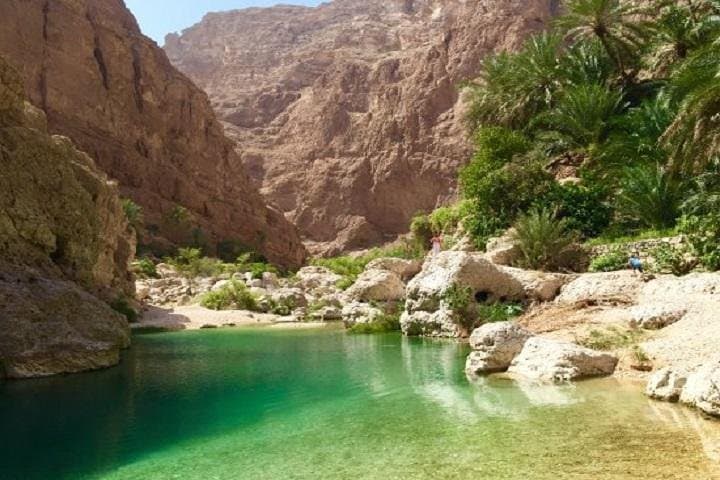
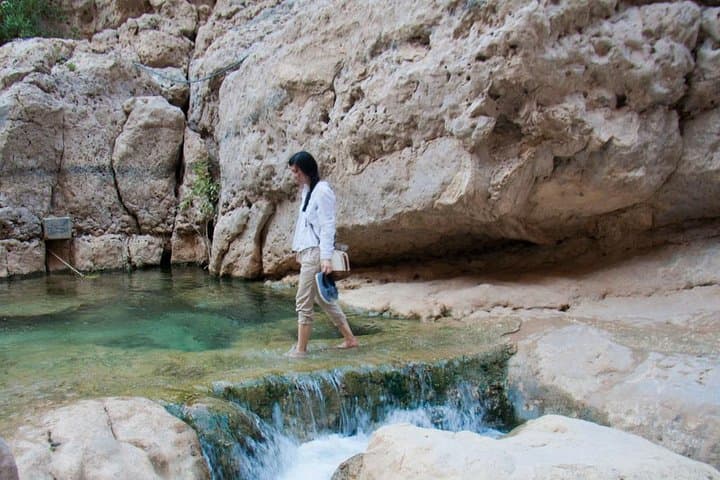
The Gulf of Oman flashes silver to your left, limestone cliffs lifting like a curtain to your right, as the coast road rolls southeast from Muscat. By the time the vehicles idle beneath Tiwi’s bridge, the heat is awake and Wadi Shab is calling—rocky, bright, and full of water that refuses to sit still. A two-minute shuttle skims you across the wadi mouth, and the canyon takes over. Boulders nudge your knees. Date palms throw small islands of shade. The path is a rhythm of gravel and ledge, the wadi insisting you slow down and move deliberately.
Verified experiences and guided adventures in the surrounding area.
Operated by Oman Day Tours · Tiwi, Ash Sharqiyah South
The Gulf of Oman flashes silver to your left, limestone cliffs lifting like a curtain to your right, as the coast road rolls southeast from Muscat. By the time the vehicles idle beneath Tiwi’s bridge, the heat is awake and Wadi Shab is calling—rocky, bright, and full of water that refuses to sit still. A two-minute shuttle skims you across the wadi mouth, and the canyon takes over. Boulders nudge your knees. Date palms throw small islands of shade. The path is a rhythm of gravel and ledge, the wadi insisting you slow down and move deliberately.
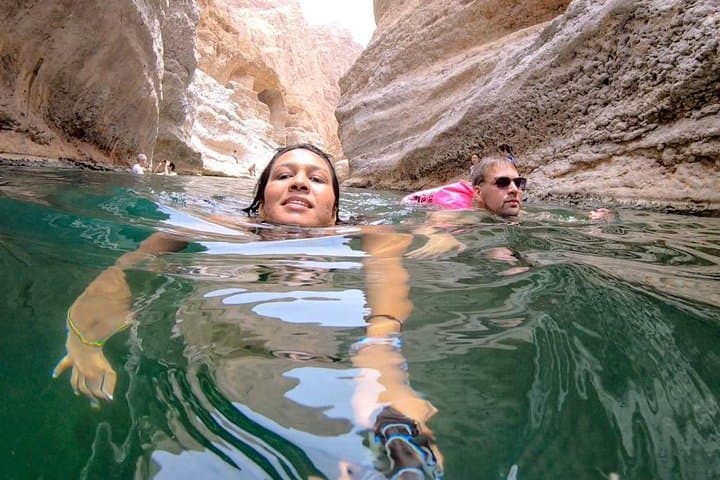
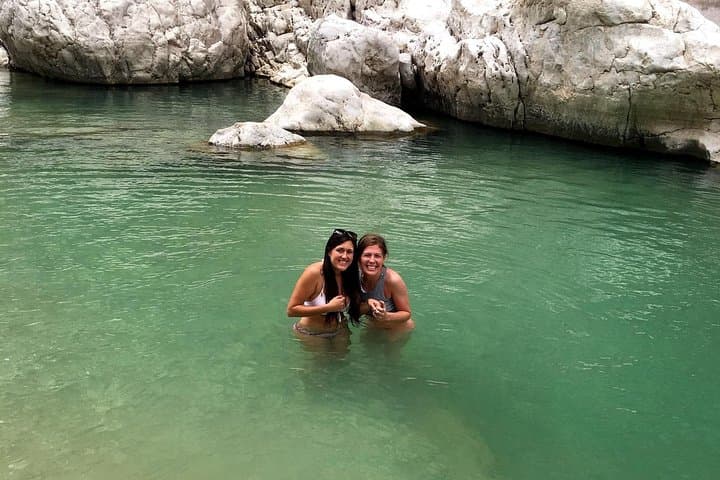
This is one of Oman’s classic day adventures: a 6–7 km out-and-back with light elevation change and a payoff that feels secret even on a popular day. In 40–50 minutes you reach the first emerald pools. From here it’s a warm-water progression upstream—wading, then swimming. The canyon narrows to a keyhole and finally a shadowy chamber where a freshwater waterfall pounds the rock, cool as if the stone itself were breathing. In dry months the swim to the cave is straightforward for confident swimmers; after rains, currents and levels shift and the wadi decides when to close.
Wadi Shab is cut into the seaward edge of the Hajar Mountains, limestone shaped by flash floods that can turn this tranquil corridor into a rushing barricade. Along the approach, look for the narrow aflaj channels, part of Oman’s ancient irrigation tradition (a UNESCO-recognized system) that still threads water into small gardens of banana, papaya, and dates. The Sharqiyah coast built its life on water and stone—fishermen on the sea, families coaxing fruit from these canyons—and you’re walking through that same equation.
Guides typically add coastal stops—Bimmah Sinkhole’s turquoise punchbowl and Fins Beach’s chalk-white arc—both quick ways to understand how limestone and light keep reinventing the shoreline. But the practical heartbeat of the day is Wadi Shab itself. Wear sturdy shoes for the rocky track, then switch to water shoes for the pools. Carry at least 2 liters of water per person; the canyon bakes at midday and shade is scarce. A small dry bag protects phones, and a lightweight long-sleeve keeps sun off skin while honoring local norms when moving through villages. Bring cash for the short boat shuttle at the start.
Go early, move unhurried, and let the wadi set the pace. The pools will coax you in, the canyon will narrow your focus, and the coast will be waiting when you return—salt on the breeze, road unwinding back toward Muscat.
moderate.
7–8 hours.
Comfortable hiking 3–4 miles on uneven, rocky terrain and capable of swimming 100–200 meters in calm freshwater.
Plan on 6–7 km round-trip with light elevation change; most hikers reach the main pools in 40–50 minutes.
You should be comfortable swimming 100–200 meters; the final cave requires a sustained swim. Non-swimmers can enjoy the lower pools but should avoid the cave section.
Yes—local boats typically ferry visitors across the wadi mouth for a small cash fee (usually around 1 OMR per person round-trip).
Some guides carry a few; availability isn’t guaranteed. Bring your own compact flotation if you’re not a strong swimmer.
Hiking shoes for the approach, water shoes for the pools, and modest swimwear; a quick-dry shirt or rash guard is recommended.
October to April offers cooler temperatures. Summers are very hot; start early if visiting from May to September.
The approach to Wadi Shab passes aflaj irrigation channels—part of Oman’s centuries-old water-sharing system that feeds date and fruit gardens in dry valleys.
Pack out all trash, skip soaps in the pools, and choose mineral-based sunscreen to reduce chemical load in freshwater.
Oman Day Tours operates guided outdoor trips and adventures with an emphasis on safety, stewardship, and memorable experiences.
The Gulf of Oman flashes silver to your left, limestone cliffs lifting like a curtain to your right, as the coast road rolls southeast from Muscat. By the time the vehicles idle beneath Tiwi’s bridge, the heat is awake and Wadi Shab is calling—rocky, bright, and full of water that refuses to sit still. A two-minute shuttle skims you across the wadi mouth, and the canyon takes over. Boulders nudge your knees. Date palms throw small islands of shade. The path is a rhythm of gravel and ledge, the wadi insisting you slow down and move deliberately.
The Gulf of Oman flashes silver to your left, limestone cliffs lifting like a curtain to your right, as the coast road rolls southeast from Muscat. By the time the vehicles idle beneath Tiwi’s bridge, the heat is awake and Wadi Shab is calling—rocky, bright, and full of water that refuses to sit still. A two-minute shuttle skims you across the wadi mouth, and the canyon takes over. Boulders nudge your knees. Date palms throw small islands of shade. The path is a rhythm of gravel and ledge, the wadi insisting you slow down and move deliberately.
This is one of Oman’s classic day adventures: a 6–7 km out-and-back with light elevation change and a payoff that feels secret even on a popular day. In 40–50 minutes you reach the first emerald pools. From here it’s a warm-water progression upstream—wading, then swimming. The canyon narrows to a keyhole and finally a shadowy chamber where a freshwater waterfall pounds the rock, cool as if the stone itself were breathing. In dry months the swim to the cave is straightforward for confident swimmers; after rains, currents and levels shift and the wadi decides when to close.
Wadi Shab is cut into the seaward edge of the Hajar Mountains, limestone shaped by flash floods that can turn this tranquil corridor into a rushing barricade. Along the approach, look for the narrow aflaj channels, part of Oman’s ancient irrigation tradition (a UNESCO-recognized system) that still threads water into small gardens of banana, papaya, and dates. The Sharqiyah coast built its life on water and stone—fishermen on the sea, families coaxing fruit from these canyons—and you’re walking through that same equation.
Guides typically add coastal stops—Bimmah Sinkhole’s turquoise punchbowl and Fins Beach’s chalk-white arc—both quick ways to understand how limestone and light keep reinventing the shoreline. But the practical heartbeat of the day is Wadi Shab itself. Wear sturdy shoes for the rocky track, then switch to water shoes for the pools. Carry at least 2 liters of water per person; the canyon bakes at midday and shade is scarce. A small dry bag protects phones, and a lightweight long-sleeve keeps sun off skin while honoring local norms when moving through villages. Bring cash for the short boat shuttle at the start.
Go early, move unhurried, and let the wadi set the pace. The pools will coax you in, the canyon will narrow your focus, and the coast will be waiting when you return—salt on the breeze, road unwinding back toward Muscat.