THE ADVENTURE COLLECTIVE® · Independent discovery and booking for outdoor travel

Float beneath the spray, then launch into classed rapids through Batoka Gorge. This full-day Livingstone outing pairs a seasonal swim below Victoria Falls with 12 km of Zambezi whitewater—expect powerful scenery, expert guides, and a 5–6 hour adrenaline loop.
Float beneath the spray, then launch into classed rapids through Batoka Gorge. This full-day Livingstone outing pairs a seasonal swim below Victoria Falls with 12 km of Zambezi whitewater—expect powerful scenery, expert guides, and a 5–6 hour adrenaline loop.
You step from the launch raft into a spray that feels like a cold sheet thrown forward by the falls themselves; the Zambezi hisses and dares you downstream. Starting just below the Victoria Falls bridge, the trip threads the Batoka Gorge—sheer basalt walls, slick with mist—before opening into a sequence of named rapids: The Boiling Pot, Morning Glory and Devil’s Toilet Bowl. The river moves fast, alternately playful and uncompromising.
Verified experiences and guided adventures in the surrounding area.
Operated by Maano Adventures · Livingstone, Southern Province
You step from the launch raft into a spray that feels like a cold sheet thrown forward by the falls themselves; the Zambezi hisses and dares you downstream. Starting just below the Victoria Falls bridge, the trip threads the Batoka Gorge—sheer basalt walls, slick with mist—before opening into a sequence of named rapids: The Boiling Pot, Morning Glory and Devil’s Toilet Bowl. The river moves fast, alternately playful and uncompromising.
The falls are Mosi-oa-Tunya — “the smoke that thunders” — a geo-hydraulic marvel carved into Permian basalt over millions of years. European discovery by David Livingstone in 1855 sparked colonial tourism; today the site sits between Zambia and Zimbabwe with a strong local Tonga presence and park protections on both sides.
Culturally the river is central to local communities and livelihoods; guides share oral histories that place the falls in local cosmology while operating under national park regulations and river-safety protocols. Expect rapids that test teamwork and a calm stretch where guides invite a swim beneath the spray when conditions allow.
Practical guidance: bring a sensible water shoe, secure your sunscreen and ditch loose gear in a dry bag. The day runs about 5–6 hours, covering roughly 12 km of river; a moderate fitness level and basic swimming ability are required. Operators include park fees, lunch and transfers — but confirm exact pickup points ahead of time. Hydrate before launch, listen to briefings, and respect guide instructions on when to swim versus stay on the raft. For photographers, waterproof housings and quick-dry clothing make the difference between a soggy memory and a great shot.
moderate.
5–6 hours.
Moderate cardiovascular fitness and ability to swim; expect repeated paddling bursts and occasional wet exits
Basic swimming ability is required since parts of the trip include guided swims; lifejackets are provided and guides brief water safety before entry.
Typical inclusions are transfers from Livingstone hotels, bottled water, lunch, national park fees, photos and guide services—confirm specifics with the operator at booking.
Not recommended for pregnant travelers or those with serious heart or spinal problems; age minimums vary—check booking questions and disclose medical conditions.
Low-to-moderate river levels (often Sept–Nov or parts of Jun–Aug) offer clearer, safer swim conditions—guides decide on-site based on flow and weather.
David Livingstone was the first European to report the falls in 1855; locals call it Mosi-oa-Tunya, reflecting its cultural significance to Tonga-speaking peoples.
Operators work with national park rules and collect park fees to support conservation; avoid single-use plastics and follow guide instructions to minimize riverbank impact.
Maano Adventures operates guided outdoor trips and adventures with an emphasis on safety, stewardship, and memorable experiences.
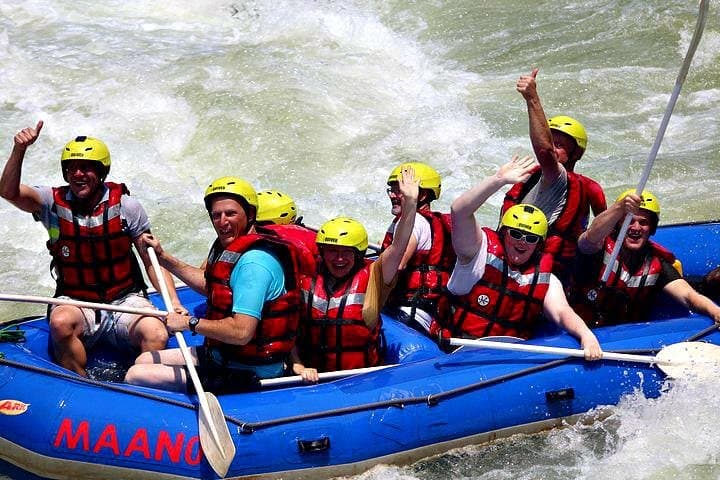
You step from the launch raft into a spray that feels like a cold sheet thrown forward by the falls themselves; the Zambezi hisses and dares you downstream. Starting just below the Victoria Falls bridge, the trip threads the Batoka Gorge—sheer basalt walls, slick with mist—before opening into a sequence of named rapids: The Boiling Pot, Morning Glory and Devil’s Toilet Bowl. The river moves fast, alternately playful and uncompromising.
You step from the launch raft into a spray that feels like a cold sheet thrown forward by the falls themselves; the Zambezi hisses and dares you downstream. Starting just below the Victoria Falls bridge, the trip threads the Batoka Gorge—sheer basalt walls, slick with mist—before opening into a sequence of named rapids: The Boiling Pot, Morning Glory and Devil’s Toilet Bowl. The river moves fast, alternately playful and uncompromising.
The falls are Mosi-oa-Tunya — “the smoke that thunders” — a geo-hydraulic marvel carved into Permian basalt over millions of years. European discovery by David Livingstone in 1855 sparked colonial tourism; today the site sits between Zambia and Zimbabwe with a strong local Tonga presence and park protections on both sides.
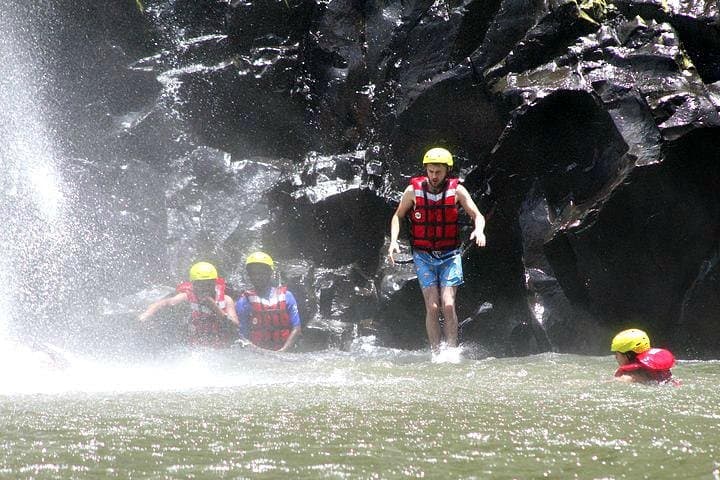
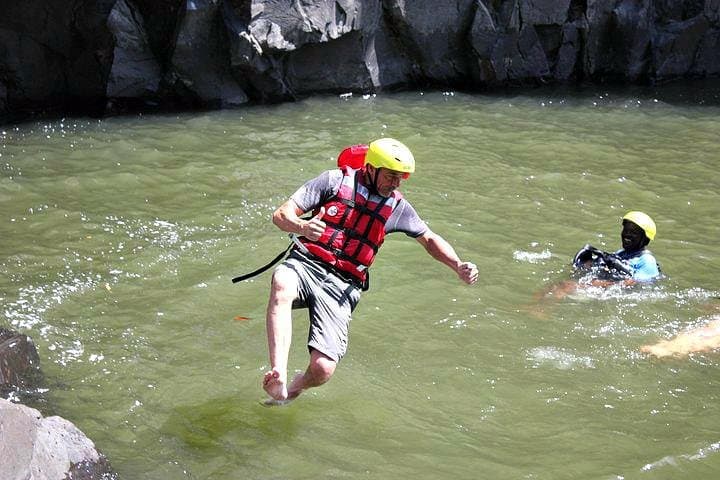
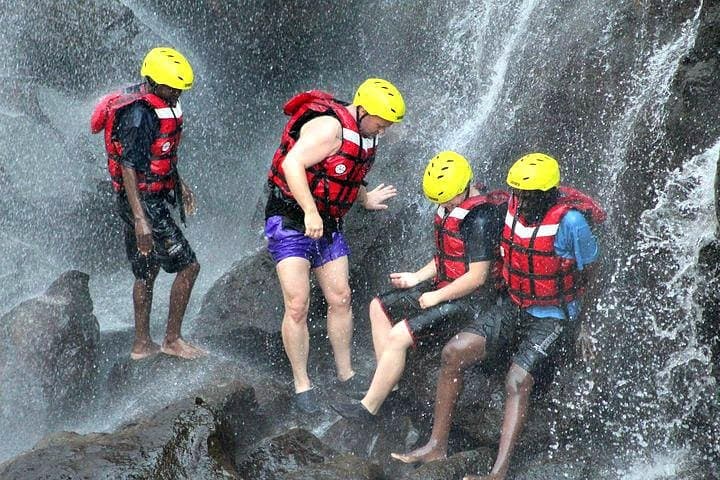
Culturally the river is central to local communities and livelihoods; guides share oral histories that place the falls in local cosmology while operating under national park regulations and river-safety protocols. Expect rapids that test teamwork and a calm stretch where guides invite a swim beneath the spray when conditions allow.
Practical guidance: bring a sensible water shoe, secure your sunscreen and ditch loose gear in a dry bag. The day runs about 5–6 hours, covering roughly 12 km of river; a moderate fitness level and basic swimming ability are required. Operators include park fees, lunch and transfers — but confirm exact pickup points ahead of time. Hydrate before launch, listen to briefings, and respect guide instructions on when to swim versus stay on the raft. For photographers, waterproof housings and quick-dry clothing make the difference between a soggy memory and a great shot.