THE ADVENTURE COLLECTIVE® · Independent discovery and booking for outdoor travel

Walk the vine rows and taste small-batch English wines in a 90-minute guided tour at Swanaford Vineyard on Dartmoor. Learn vine care, winemaking steps and sample the estate’s wines while taking in valley views.
Walk the vine rows and taste small-batch English wines in a 90-minute guided tour at Swanaford Vineyard on Dartmoor. Learn vine care, winemaking steps and sample the estate’s wines while taking in valley views.
A cool valley wind threads through the rows as you step out of the tasting barn and into the vineyard—Dartmoor’s upland slopes funnel weather and light across a small sea of leaves. On a guided 90-minute walk you move between five grape varieties, the pale Chardonnay and the darker Pinot Noir and Pinot Meunier that give these bottles a Champagne-house lineage. The vines lean into the sky, leaves whispering; the land seems to be testing you as much as you test the fruit.
Verified experiences and guided adventures in the surrounding area.
Operated by Swanaford Vineyard · Plymouth, Devon
A cool valley wind threads through the rows as you step out of the tasting barn and into the vineyard—Dartmoor’s upland slopes funnel weather and light across a small sea of leaves. On a guided 90-minute walk you move between five grape varieties, the pale Chardonnay and the darker Pinot Noir and Pinot Meunier that give these bottles a Champagne-house lineage. The vines lean into the sky, leaves whispering; the land seems to be testing you as much as you test the fruit.
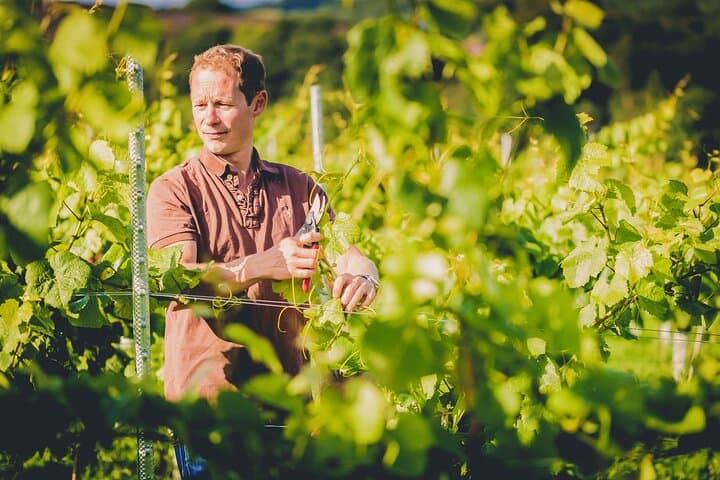
Dartmoor’s granite backbone and acidic soils make for a short growing season and sheltering valleys that vineyards like Swanaford exploit. English winemaking here is a recent chapter built on centuries of pastoral agriculture; you’ll hear how rootstocks, pruning and microclimate shape each vintage. Guides explain pest management, vine training and the press-to-bottle steps back in the barn while the valley’s cultural history—small farms, field boundaries and old hedgerows—frames each glass.
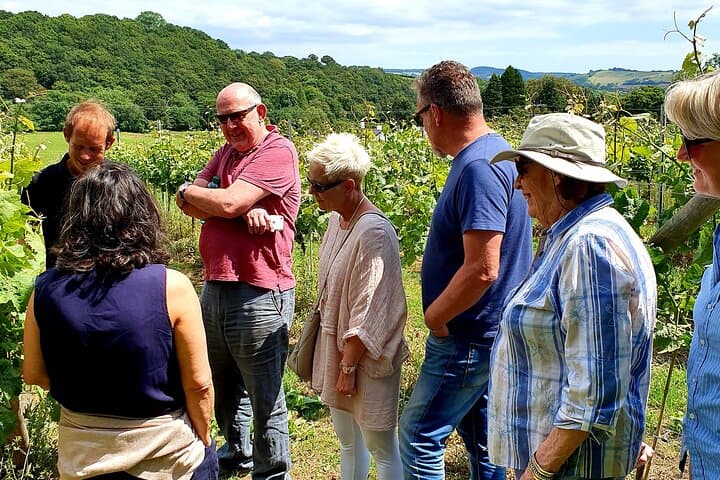
Practically, the tour mixes a gentle walk over uneven earth with a seated tasting. Wear sturdy shoes and a waterproof layer: Dartmoor’s weather can change in minutes. Expect conversation about yields and methods, a chance to sample current releases, and time for questions. Spring visits show the vines waking with new shoots; late summer and early autumn deliver dense canopy and developing bunches. The group size is kept small for hands-on explanation, and all tasters must be 18+. For anyone keen on terroir-driven wine and manageable outdoor activity, Swanaford is a clear, informative encounter with English viticulture.
moderate.
1.5 hours.
Suitable for those with moderate fitness; the walk includes uneven terrain and gentle slopes.
The experience runs 90 minutes, combining a guided walk through the vines and a tasting back in the barn.
The walk is family-friendly but wine sampling is restricted to guests 18 and over; children can join the walk if supervised.
The vineyard terrain includes uneven and sloped ground; accessibility for wheelchairs is limited—contact the operator to discuss needs.
Yes, the estate typically offers current releases for purchase after the tasting; card payments are usually accepted.
Modern English winemaking on Dartmoor grows from traditional small-farm land-use; Swanaford focuses on traditional Champagne varieties adapted to local microclimates.
The vineyard practices targeted vineyard management to limit sprays and protect hedgerows; visitors are urged to stick to paths to protect young vines and soil structure.
Swanaford Vineyard operates guided outdoor trips and adventures with an emphasis on safety, stewardship, and memorable experiences.
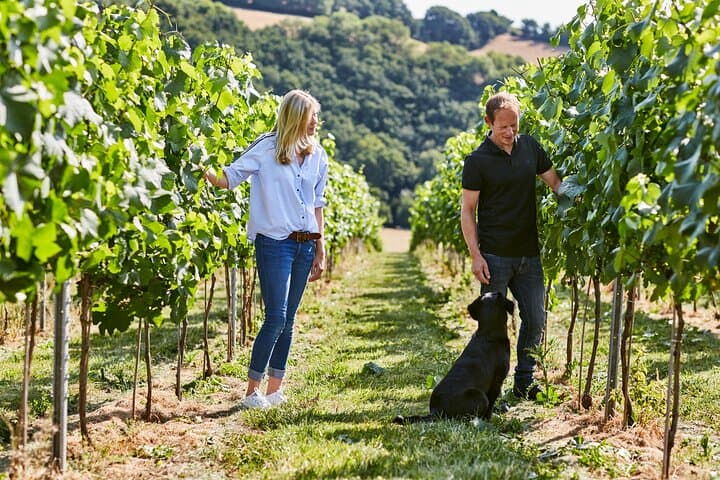
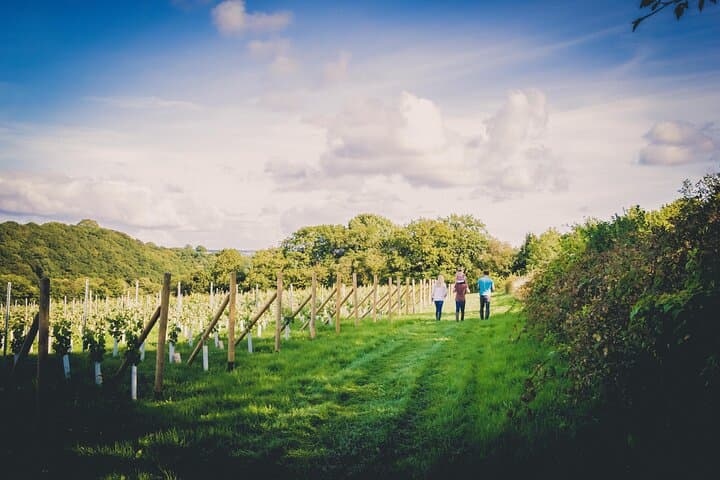
A cool valley wind threads through the rows as you step out of the tasting barn and into the vineyard—Dartmoor’s upland slopes funnel weather and light across a small sea of leaves. On a guided 90-minute walk you move between five grape varieties, the pale Chardonnay and the darker Pinot Noir and Pinot Meunier that give these bottles a Champagne-house lineage. The vines lean into the sky, leaves whispering; the land seems to be testing you as much as you test the fruit.
A cool valley wind threads through the rows as you step out of the tasting barn and into the vineyard—Dartmoor’s upland slopes funnel weather and light across a small sea of leaves. On a guided 90-minute walk you move between five grape varieties, the pale Chardonnay and the darker Pinot Noir and Pinot Meunier that give these bottles a Champagne-house lineage. The vines lean into the sky, leaves whispering; the land seems to be testing you as much as you test the fruit.
Dartmoor’s granite backbone and acidic soils make for a short growing season and sheltering valleys that vineyards like Swanaford exploit. English winemaking here is a recent chapter built on centuries of pastoral agriculture; you’ll hear how rootstocks, pruning and microclimate shape each vintage. Guides explain pest management, vine training and the press-to-bottle steps back in the barn while the valley’s cultural history—small farms, field boundaries and old hedgerows—frames each glass.
Practically, the tour mixes a gentle walk over uneven earth with a seated tasting. Wear sturdy shoes and a waterproof layer: Dartmoor’s weather can change in minutes. Expect conversation about yields and methods, a chance to sample current releases, and time for questions. Spring visits show the vines waking with new shoots; late summer and early autumn deliver dense canopy and developing bunches. The group size is kept small for hands-on explanation, and all tasters must be 18+. For anyone keen on terroir-driven wine and manageable outdoor activity, Swanaford is a clear, informative encounter with English viticulture.