THE ADVENTURE COLLECTIVE® · Independent discovery and booking for outdoor travel

Spend a full day on a high-speed rail hop from Shanghai to Suzhou to explore classical gardens, the city’s silk heritage, and a relaxing canal cruise. This private tour pairs cultural history with walkable waterways and practical pacing for a single-day visit.
Spend a full day on a high-speed rail hop from Shanghai to Suzhou to explore classical gardens, the city’s silk heritage, and a relaxing canal cruise. This private tour pairs cultural history with walkable waterways and practical pacing for a single-day visit.
You step off a high-speed train into a city of stone bridges and narrow waterways; willow branches lean over brick-lined canals as if whispering directions. The day begins with measured footsteps through Canglang Pavilion, where rockwork and ponds arrange themselves like lines of a quiet poem, then moves into the precise geometry of Suzhou’s silk-making rooms and museum cases.
Verified experiences and guided adventures in the surrounding area.
Operated by MoodFly · Suzhou, Jiangsu
You step off a high-speed train into a city of stone bridges and narrow waterways; willow branches lean over brick-lined canals as if whispering directions. The day begins with measured footsteps through Canglang Pavilion, where rockwork and ponds arrange themselves like lines of a quiet poem, then moves into the precise geometry of Suzhou’s silk-making rooms and museum cases.
Suzhou’s gardens date to the Song and Ming dynasties and were designed as micro-landscapes that frame seasonal light and rainfall. The canals themselves are part of the Yangtze Delta’s low-lying waterways — slow-moving channels that shaped local trade and urban form for centuries. Pingjiang Road preserves merchant houses and teahouse culture; silk has been woven here for more than a thousand years, linking domestic craft to global demand.
The itinerary is deliberately paced: a roughly 30–60 minute garden visit, a museum stop to learn about silk reeling and dyeing, then a one-hour canal cruise that shows the city from water level. Expect flat, walkable streets of cobblestone and flagstone, tight alleyways, and several short stair sections at museum and teahouse entries. Light rain changes the city’s color dramatically — the canals seem to pull you forward, and willow-lined banks soften every turn.
Practical guidance: leave Shanghai early to maximize museum hours, wear comfortable, slip-resistant shoes for wet stones, and carry local currency for small vendors along Pingjiang. Plan for 7–8 hours door-to-door and bring a light layer; tea houses can be cool in the afternoon.
easy.
7–8 hours.
Suitable for travelers in average walking condition; expect 3–5 miles of walking spread through the day with short standing periods.
The train ride takes around 25–35 minutes from Shanghai Hongqiao to Suzhou, depending on the service; factor transit time to and from stations.
Yes; entrance fees for Canglang Pavilion and the chosen museum (Suzhou Museum or Silk Museum) are typically included in this private tour package.
Canal boats are generally low to board; operators and the itinerary note wheelchair accessibility—confirm specific assistance needs when booking.
Most private tours can adjust lunch choices with advance notice; provide dietary requirements at booking so the operator can arrange suitable options.
Suzhou’s garden tradition grew from private scholars’ estates in the Song and Ming eras; its silk industry has supplied domestic courts and international markets for centuries.
Visitor impact is managed by limiting large group sizes in gardens and supporting museum preservation programs; avoid feeding wildlife and stay on marked paths to protect plantings.
MoodFly operates guided outdoor trips and adventures with an emphasis on safety, stewardship, and memorable experiences.
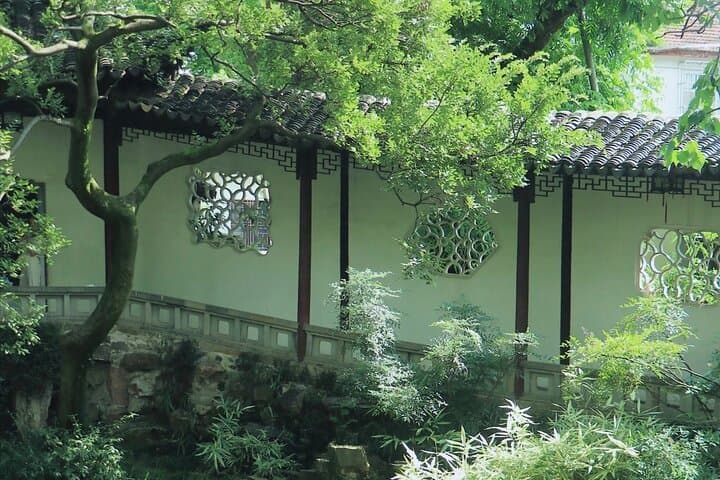
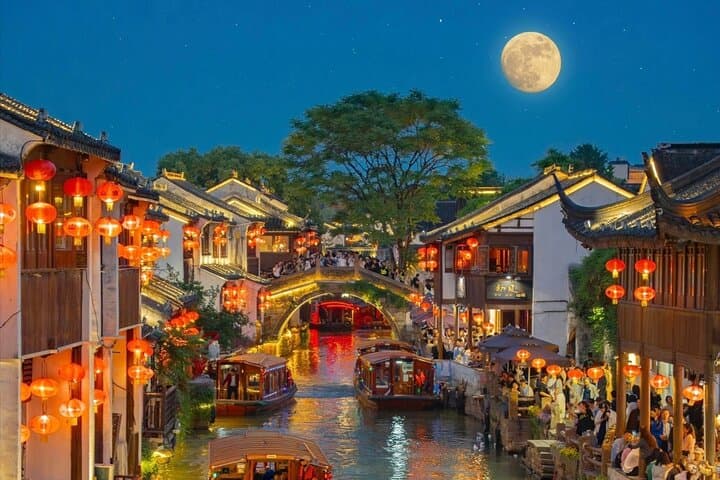
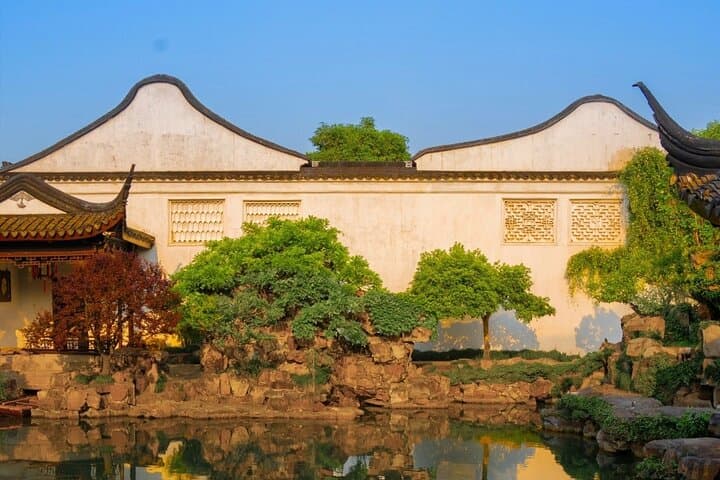
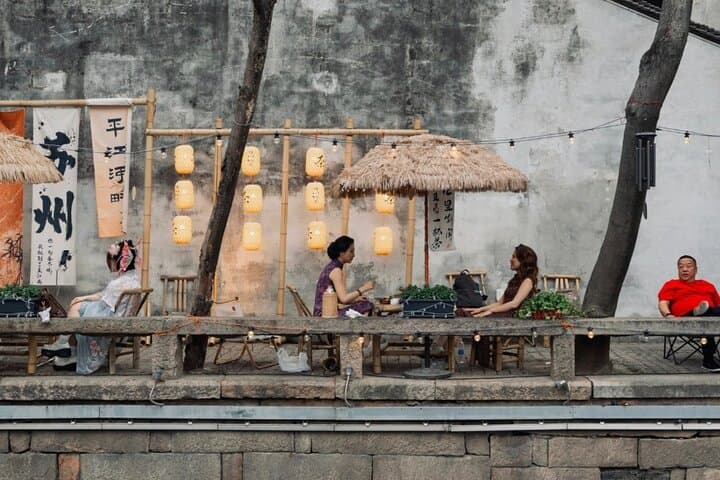
You step off a high-speed train into a city of stone bridges and narrow waterways; willow branches lean over brick-lined canals as if whispering directions. The day begins with measured footsteps through Canglang Pavilion, where rockwork and ponds arrange themselves like lines of a quiet poem, then moves into the precise geometry of Suzhou’s silk-making rooms and museum cases.
You step off a high-speed train into a city of stone bridges and narrow waterways; willow branches lean over brick-lined canals as if whispering directions. The day begins with measured footsteps through Canglang Pavilion, where rockwork and ponds arrange themselves like lines of a quiet poem, then moves into the precise geometry of Suzhou’s silk-making rooms and museum cases.
Suzhou’s gardens date to the Song and Ming dynasties and were designed as micro-landscapes that frame seasonal light and rainfall. The canals themselves are part of the Yangtze Delta’s low-lying waterways — slow-moving channels that shaped local trade and urban form for centuries. Pingjiang Road preserves merchant houses and teahouse culture; silk has been woven here for more than a thousand years, linking domestic craft to global demand.
The itinerary is deliberately paced: a roughly 30–60 minute garden visit, a museum stop to learn about silk reeling and dyeing, then a one-hour canal cruise that shows the city from water level. Expect flat, walkable streets of cobblestone and flagstone, tight alleyways, and several short stair sections at museum and teahouse entries. Light rain changes the city’s color dramatically — the canals seem to pull you forward, and willow-lined banks soften every turn.
Practical guidance: leave Shanghai early to maximize museum hours, wear comfortable, slip-resistant shoes for wet stones, and carry local currency for small vendors along Pingjiang. Plan for 7–8 hours door-to-door and bring a light layer; tea houses can be cool in the afternoon.