THE ADVENTURE COLLECTIVE® · Independent discovery and booking for outdoor travel

Walk Pingjiang Road, explore the Humble Administrator’s Garden, and glide a boat through Tongli’s canals on a private day trip from Shanghai. This guided itinerary blends classical gardens, I.M. Pei’s Suzhou Museum, and water‑town charm into a single, manageable day.
Walk Pingjiang Road, explore the Humble Administrator’s Garden, and glide a boat through Tongli’s canals on a private day trip from Shanghai. This guided itinerary blends classical gardens, I.M. Pei’s Suzhou Museum, and water‑town charm into a single, manageable day.
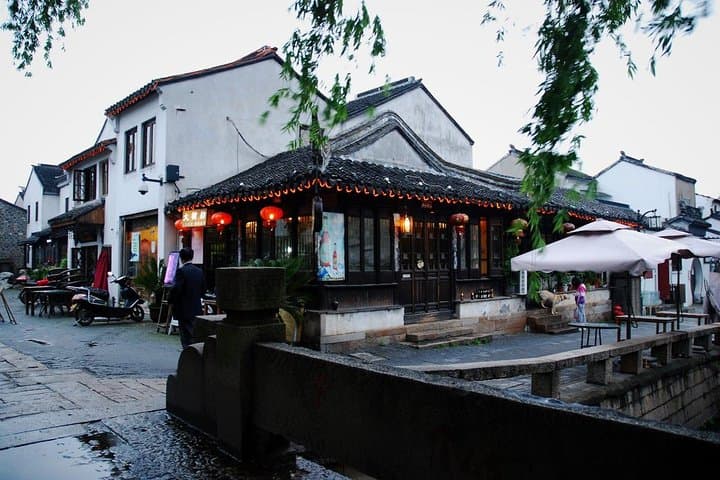
You step off the air-conditioned vehicle onto a narrow stone lane and the city exhales — a slow river threading under low arched bridges, black-tiled eaves shading teahouses. Pingjiang Road runs a measured 1.6 km beside the canal, its flagstones worn smooth by centuries of feet and cartwheels; the river dares you to slow down.
Verified experiences and guided adventures in the surrounding area.
Operated by MoreFunAsia · Suzhou, Jiangsu
You step off the air-conditioned vehicle onto a narrow stone lane and the city exhales — a slow river threading under low arched bridges, black-tiled eaves shading teahouses. Pingjiang Road runs a measured 1.6 km beside the canal, its flagstones worn smooth by centuries of feet and cartwheels; the river dares you to slow down.
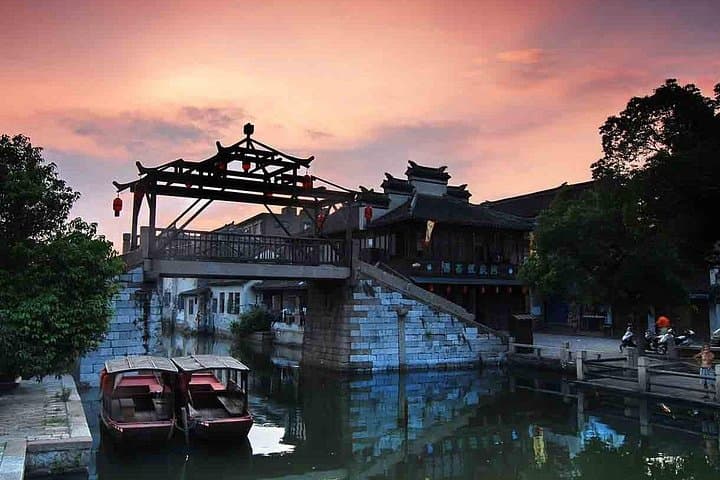
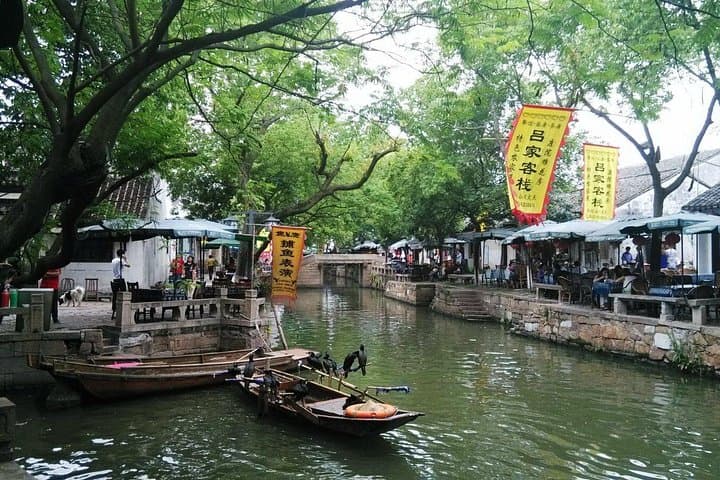
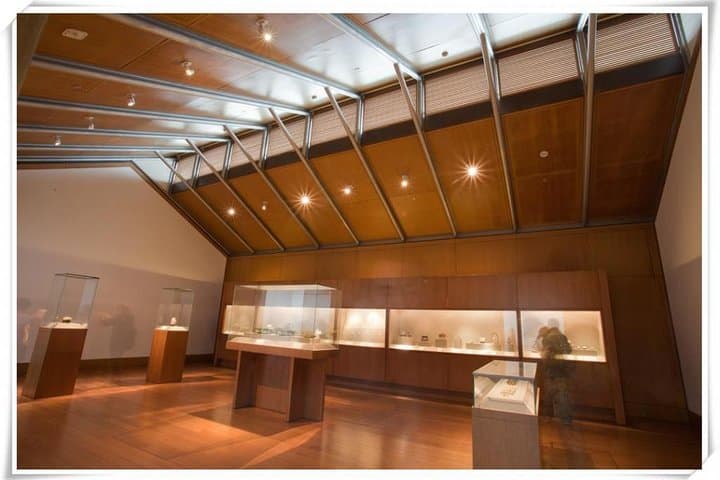
Suzhou sits on the flat, fertile Yangtze River Delta, a landscape shaped by alluvial deposits and a web of waterways that made it a silk and craft hub for imperial China. The Humble Administrator’s Garden lays out water, rock, and pavilion in three principal sections, an exemplar of Ming-era private garden design. Nearby, Suzhou Museum — redesigned by I.M. Pei — links classical aesthetics with crisp modern lines. Later, Tongli water town shifts the tempo: narrow canals, Ming- and Qing-era bridges, carved woodwork and low stone steps leading to boat landings.
Practical rhythm: expect 7–8 hours on a private itinerary that mixes walking, museum time and a short canal boat ride. Wear broken‑in walking shoes for uneven stone paths and low steps; bring a light rain shell in summer and a warm waterproof layer in winter. Midday light is best for garden photographs; early morning or late afternoon visits reduce crowds. Carry a small amount of cash and a charged phone for mobile payments and maps. Guides typically arrange hotel pickup in Shanghai — confirm your pickup point and mobility needs in advance. With measured planning this is a day that balances culture, gentle outdoors, and navigable waterways into one readable slice of Jiangsu life.
easy.
7–8 hours.
Light walking ability required; comfortable for most fitness levels but expect repeated short staircases and uneven stones.
Private tours usually include pickup from central Shanghai hotels; confirm the pickup point and time with the operator when booking.
The tour indicates admission to the listed attractions and a short boat ride in Tongli are included—confirm specifics before departure.
Some portions like museums and main garden paths are accessible, but historic lanes and boat access may present challenges—notify the operator of mobility needs in advance.
Guides are typically professional and may speak English; check language availability on booking and request a translator if needed.
Suzhou’s gardens grew from scholar-official culture in the Ming and Qing periods, designed as private landscapes reflecting philosophy, poetry and water management.
Water towns and classical gardens are sensitive to visitor pressure—follow posted routes, avoid feeding wildlife, and support local conservation fees where applied.
MoreFunAsia operates guided outdoor trips and adventures with an emphasis on safety, stewardship, and memorable experiences.
You step off the air-conditioned vehicle onto a narrow stone lane and the city exhales — a slow river threading under low arched bridges, black-tiled eaves shading teahouses. Pingjiang Road runs a measured 1.6 km beside the canal, its flagstones worn smooth by centuries of feet and cartwheels; the river dares you to slow down.
You step off the air-conditioned vehicle onto a narrow stone lane and the city exhales — a slow river threading under low arched bridges, black-tiled eaves shading teahouses. Pingjiang Road runs a measured 1.6 km beside the canal, its flagstones worn smooth by centuries of feet and cartwheels; the river dares you to slow down.
Suzhou sits on the flat, fertile Yangtze River Delta, a landscape shaped by alluvial deposits and a web of waterways that made it a silk and craft hub for imperial China. The Humble Administrator’s Garden lays out water, rock, and pavilion in three principal sections, an exemplar of Ming-era private garden design. Nearby, Suzhou Museum — redesigned by I.M. Pei — links classical aesthetics with crisp modern lines. Later, Tongli water town shifts the tempo: narrow canals, Ming- and Qing-era bridges, carved woodwork and low stone steps leading to boat landings.
Practical rhythm: expect 7–8 hours on a private itinerary that mixes walking, museum time and a short canal boat ride. Wear broken‑in walking shoes for uneven stone paths and low steps; bring a light rain shell in summer and a warm waterproof layer in winter. Midday light is best for garden photographs; early morning or late afternoon visits reduce crowds. Carry a small amount of cash and a charged phone for mobile payments and maps. Guides typically arrange hotel pickup in Shanghai — confirm your pickup point and mobility needs in advance. With measured planning this is a day that balances culture, gentle outdoors, and navigable waterways into one readable slice of Jiangsu life.