THE ADVENTURE COLLECTIVE® · Independent discovery and booking for outdoor travel

Ride a bullet train from Shanghai to Suzhou for a day among canals, classical gardens and the leaning pagoda of Tiger Hill. This private trip pairs efficient transport with time-tested sights—ideal for travelers who want maximum culture in a single day.
Ride a bullet train from Shanghai to Suzhou for a day among canals, classical gardens and the leaning pagoda of Tiger Hill. This private trip pairs efficient transport with time-tested sights—ideal for travelers who want maximum culture in a single day.
You step off a sleek bullet train and the air shifts—softer, damp with canal mist and the faint smell of frying dough from a nearby stall.
Verified experiences and guided adventures in the surrounding area.
Operated by Trippest Travel · Suzhou, Jiangsu
You step off a sleek bullet train and the air shifts—softer, damp with canal mist and the faint smell of frying dough from a nearby stall.
In under an hour Shanghai falls away and Suzhou’s low roofs and stone bridges come into focus. Glide on a wooden canal boat under arched bridges where laundry and willow branches sway; the water nudges the city’s past forward as vendors call from narrow streets.
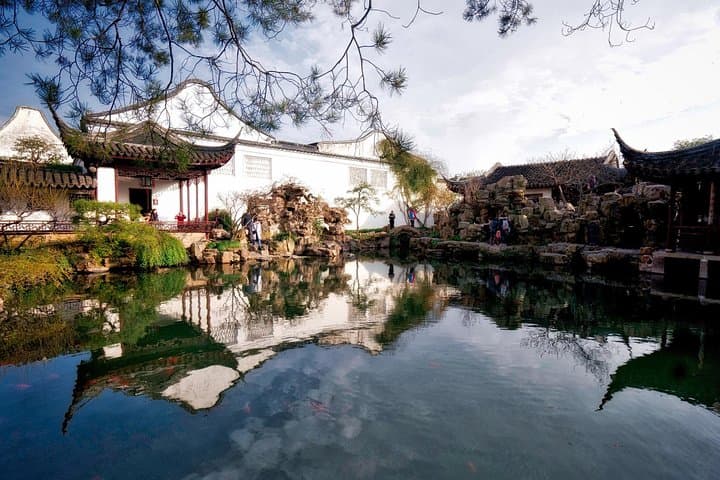
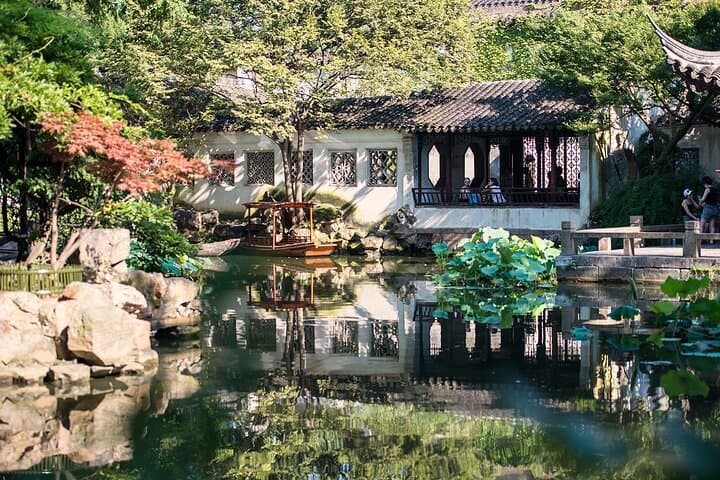
Suzhou grew wealthy on silk and canals built across the Yangtze Delta’s alluvial plain; its classical gardens—carefully composed rocks, pavilions and ponds—are living design manuals from the Ming and Qing eras. Tiger Hill holds a 2,500-year-old tomb and the leaning Yunyan Pagoda, while the Master-of-Nets Garden compresses landscape, architecture and poetry into intimate views.
Expect mostly flat walking on paved lanes and garden paths, with brief water taxi transfers (boat rides typically 15–20 minutes) and moderate crowds at key sites. Wear comfortable shoes for about 3–5 miles of walking spread through the day; light rain is common so a compact umbrella helps.
Practicalities: round-trip high-speed tickets are prebooked—bring passports matching your booking. Tours commonly include entrance fees and a private guide; luggage storage at stations is available if needed. Peak mornings are best to avoid tour buses; Shantang Street is lively for snacks and souvenirs but narrows quickly.
This is a day of contrasts—fast rail, ancient waterways, and designed gardens—that rewards travelers who want cultural depth without a long commute.
easy.
8 hours.
Suitable for most people who can walk several miles at a relaxed pace; minimal elevation change.
The high-speed train takes about 30–40 minutes depending on the departure station—usually Shanghai Railway Station or Hongqiao.
This private day trip typically includes entrance fees to listed sites and a traditional wooden boat ride as stated in the tour inclusions.
Yes—the day is low-impact with flat walking and optional pacing; the tour notes wheelchair and stroller accessibility for many spots but check specifics for each garden and Tiger Hill paths.
Bring small bills for street food and local stalls; the guide can recommend restaurants, but many visitors enjoy snacks along Shantang Street.
Suzhou’s prosperity dates to the Song dynasty when silk and inland waterways turned the city into a cultural and commercial center; its classical gardens reflect centuries of private landscape design by scholars and officials.
Gardens and waterways are maintained through a mix of preservation regulations and tourism revenue; visitors can help by staying on paths, avoiding feeding wildlife, and minimizing single-use plastics.
Trippest Travel operates guided outdoor trips and adventures with an emphasis on safety, stewardship, and memorable experiences.
You step off a sleek bullet train and the air shifts—softer, damp with canal mist and the faint smell of frying dough from a nearby stall.
You step off a sleek bullet train and the air shifts—softer, damp with canal mist and the faint smell of frying dough from a nearby stall.
In under an hour Shanghai falls away and Suzhou’s low roofs and stone bridges come into focus. Glide on a wooden canal boat under arched bridges where laundry and willow branches sway; the water nudges the city’s past forward as vendors call from narrow streets.
Suzhou grew wealthy on silk and canals built across the Yangtze Delta’s alluvial plain; its classical gardens—carefully composed rocks, pavilions and ponds—are living design manuals from the Ming and Qing eras. Tiger Hill holds a 2,500-year-old tomb and the leaning Yunyan Pagoda, while the Master-of-Nets Garden compresses landscape, architecture and poetry into intimate views.
Expect mostly flat walking on paved lanes and garden paths, with brief water taxi transfers (boat rides typically 15–20 minutes) and moderate crowds at key sites. Wear comfortable shoes for about 3–5 miles of walking spread through the day; light rain is common so a compact umbrella helps.
Practicalities: round-trip high-speed tickets are prebooked—bring passports matching your booking. Tours commonly include entrance fees and a private guide; luggage storage at stations is available if needed. Peak mornings are best to avoid tour buses; Shantang Street is lively for snacks and souvenirs but narrows quickly.
This is a day of contrasts—fast rail, ancient waterways, and designed gardens—that rewards travelers who want cultural depth without a long commute.