THE ADVENTURE COLLECTIVE® · Independent discovery and booking for outdoor travel

Reserve a timed entry to Suzhou’s classical gardens and glide past queues with a QR ticket. Add a private guide and transfer to connect Humble Administrator’s Garden, Lingering Garden, Lion Grove and the Master of Nets with local stories and efficient transport.
Reserve a timed entry to Suzhou’s classical gardens and glide past queues with a QR ticket. Add a private guide and transfer to connect Humble Administrator’s Garden, Lingering Garden, Lion Grove and the Master of Nets with local stories and efficient transport.
You step from a narrow canal lane into a courtyard where carved lattices filter sunlight and water answers with a soft ripple — this is Suzhou’s classical garden circuit. Each garden compresses centuries of design into small, deliberate views: stone paths that force you to pause, pavilions set to frame a single tree, and ponds that mirror roofs and sky.
Verified experiences and guided adventures in the surrounding area.
Operated by Unique Beijing Tours · Suzhou, Jiangsu
You step from a narrow canal lane into a courtyard where carved lattices filter sunlight and water answers with a soft ripple — this is Suzhou’s classical garden circuit. Each garden compresses centuries of design into small, deliberate views: stone paths that force you to pause, pavilions set to frame a single tree, and ponds that mirror roofs and sky.
These gardens grew from Song-to-Qing dynasty literati culture, an aesthetic shaped by refined water management and Ming-era gardening theory. Geologically the region is low and alluvial; designers worked with shallow ponds, rockeries of Taihu stone, and carefully routed channels to create depth on a flat plain. Culturally the gardens are compact stages for poetry, calligraphy and private life — the Humble Administrator’s Garden, Lingering Garden, Lion Grove and Master of Nets each show different planning philosophies.
Practically: prebooked e-tickets and the skip-the-line option save time during peak seasons; choosing a private guide adds historical context and quicker navigation between sites, while a transfer eases logistics across spread-out locations. Expect mostly flat walking on flagstone or boardwalks, many stairs and narrow alleys; stroller access is possible but some rockeries and bridges require lifting.
Plan for 1–6 hours depending on how many gardens you visit. Carry water, a light rain layer, and comfortable shoes with good tread. Visit early morning or late afternoon to avoid tour groups and to see light play across water — the design was made to be read slowly, so give each view time.
easy.
1–6 hours.
Light walking fitness; able to handle short stair sections and standing while viewing.
No, mobile QR codes are accepted; have the QR and a valid ID or passport ready.
Tickets are per garden visit; choose which garden(s) when booking or purchase multiple entries as needed.
Many paths are stroller-friendly but some rockeries and bridges require lifting a stroller; check specific garden access if needed.
Not required, but a private guide adds historical context, shortcuts and language support for a fuller visit.
Suzhou’s classical gardens developed over centuries under literati patronage, with major works constructed during the Ming and Qing dynasties reflecting private elite culture.
These UNESCO-listed sites manage visitor flow to protect fragile rockeries, wooden buildings and water systems; stick to paths and avoid feeding wildlife to reduce impact.
Unique Beijing Tours operates guided outdoor trips and adventures with an emphasis on safety, stewardship, and memorable experiences.
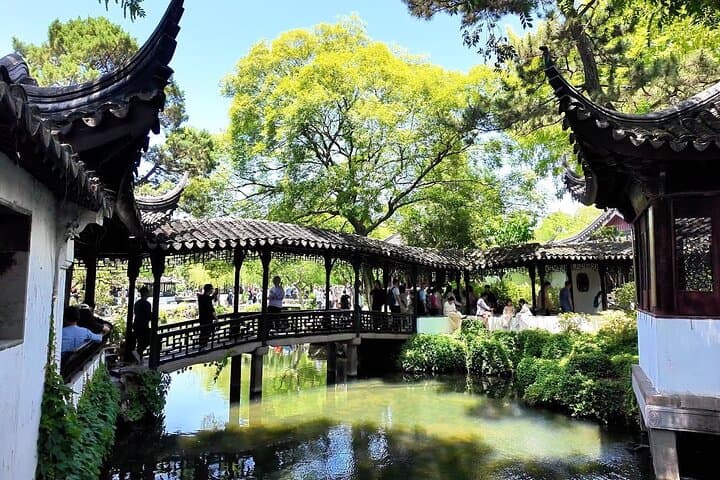
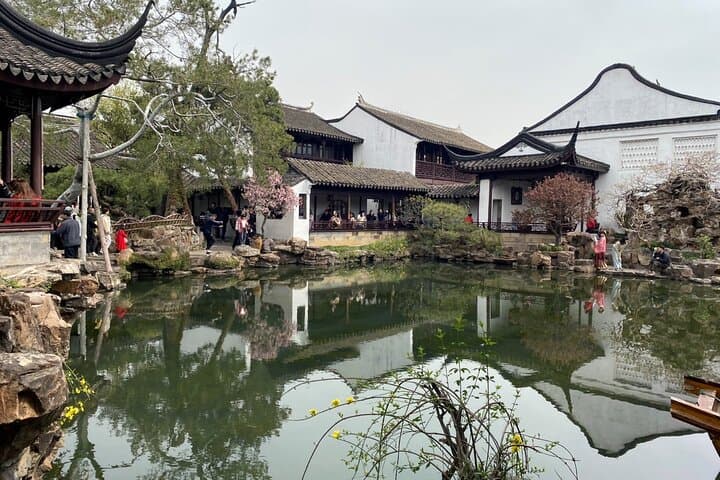
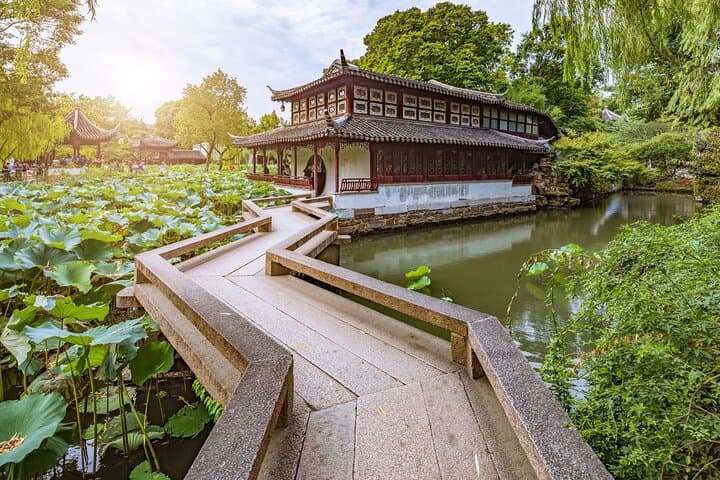
You step from a narrow canal lane into a courtyard where carved lattices filter sunlight and water answers with a soft ripple — this is Suzhou’s classical garden circuit. Each garden compresses centuries of design into small, deliberate views: stone paths that force you to pause, pavilions set to frame a single tree, and ponds that mirror roofs and sky.
You step from a narrow canal lane into a courtyard where carved lattices filter sunlight and water answers with a soft ripple — this is Suzhou’s classical garden circuit. Each garden compresses centuries of design into small, deliberate views: stone paths that force you to pause, pavilions set to frame a single tree, and ponds that mirror roofs and sky.
These gardens grew from Song-to-Qing dynasty literati culture, an aesthetic shaped by refined water management and Ming-era gardening theory. Geologically the region is low and alluvial; designers worked with shallow ponds, rockeries of Taihu stone, and carefully routed channels to create depth on a flat plain. Culturally the gardens are compact stages for poetry, calligraphy and private life — the Humble Administrator’s Garden, Lingering Garden, Lion Grove and Master of Nets each show different planning philosophies.
Practically: prebooked e-tickets and the skip-the-line option save time during peak seasons; choosing a private guide adds historical context and quicker navigation between sites, while a transfer eases logistics across spread-out locations. Expect mostly flat walking on flagstone or boardwalks, many stairs and narrow alleys; stroller access is possible but some rockeries and bridges require lifting.
Plan for 1–6 hours depending on how many gardens you visit. Carry water, a light rain layer, and comfortable shoes with good tread. Visit early morning or late afternoon to avoid tour groups and to see light play across water — the design was made to be read slowly, so give each view time.