THE ADVENTURE COLLECTIVE® · Independent discovery and booking for outdoor travel

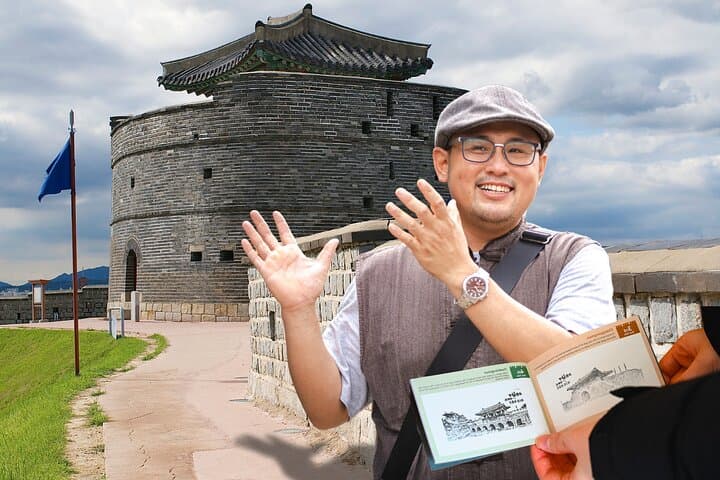
Explore Suwon Hwaseong Fortress by collecting stamps at historic gates and viewpoints. This guided walking tour offers two course options—an easy family route and a full loop with steep sections—combining Joseon-era history with panoramic city views.
Explore Suwon Hwaseong Fortress by collecting stamps at historic gates and viewpoints. This guided walking tour offers two course options—an easy family route and a full loop with steep sections—combining Joseon-era history with panoramic city views.
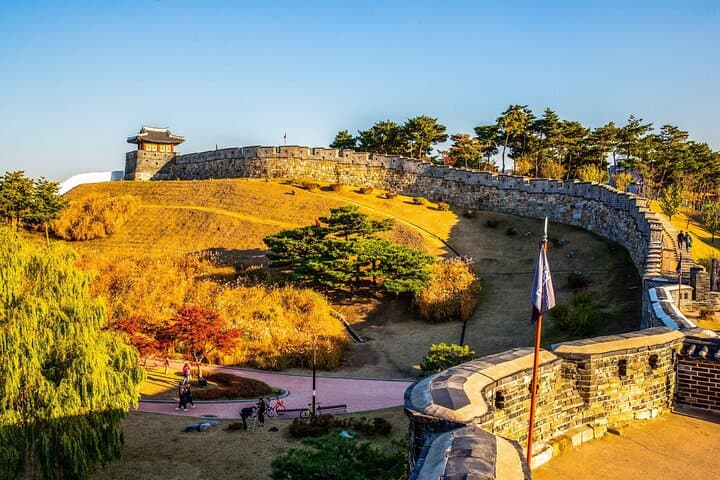
Dawn breaks over the stone ridge of Suwon Hwaseong and the wall runs like a low spine around the city, inviting footsteps and curious hands pressed to cool brick.
Verified experiences and guided adventures in the surrounding area.
Operated by MyProGuide_Korea · Suwon, Gyeonggi-do
Dawn breaks over the stone ridge of Suwon Hwaseong and the wall runs like a low spine around the city, inviting footsteps and curious hands pressed to cool brick.
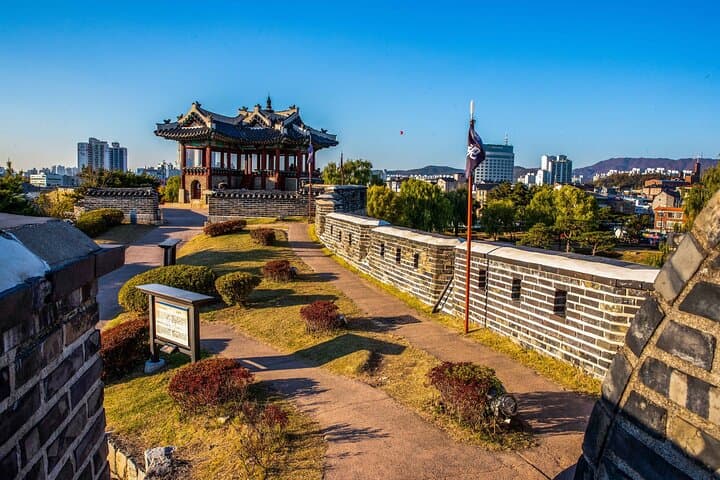
This stamp walking tour turns the fortress into a map you earn as you go: gates, watchtowers and scenic viewpoints marked by inked stations. The route threads through 18th‑century military engineering—ramparts built under King Jeongjo between 1794–1796—where brick meets hillside and the city spreads beyond the ramparts.
Geology here is simple but decisive: low granite outcrops and packed earth form the foundations for broad parapets and stair flights. Cultural layers are visible at Haenggung Palace, the temporary royal residence inside the walls, where court life once shifted into the shadow of the battlements.
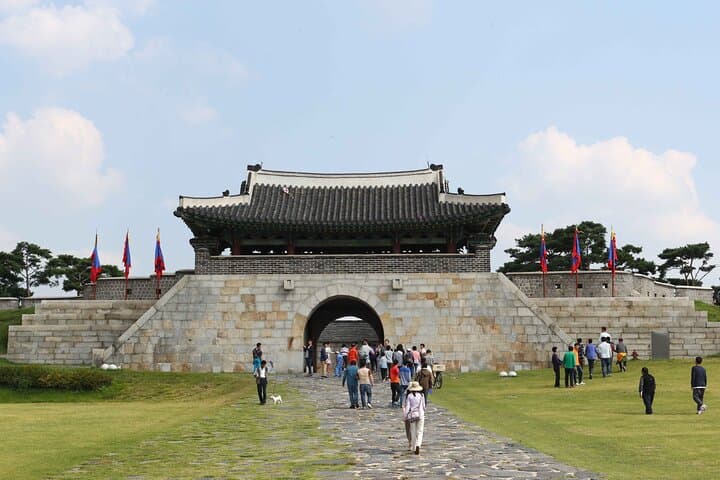
Expect an experiential blend of history and light exertion. The easy course stays mostly level and family‑friendly with seven stamps; the tough course completes the full loop, climbing steeper stretches and more stairs to collect all ten. Guides point out construction techniques, gate names and local lore while you pause for photos at Paldalmun or the west‑facing viewpoints.
Practicalities: wear sturdy walking shoes, carry 1–2 liters of water, and pace uphill sections—parts of the loop include uneven stone and steep grades. Summer sees strong sun; winter winds can bite across exposed walls. Start early to avoid crowds and allow roughly 3–4 hours for the full circuit. Keep to designated paths, respect cultural sites, and bring a compact umbrella or light rain jacket if showers are forecast.
moderate.
3–4 hours.
Should be comfortable walking multiple miles with stair climbs; moderate cardiovascular fitness recommended for the full loop.
Bookings are recommended; this tour may require manual confirmation. Arrive on time at the meeting point to ensure you can join.
The easy course (7 stamps) is family-friendly on relatively flat routes; the full loop includes steep sections and many stairs and may be unsuitable for those with mobility or serious health concerns.
Facilities and vendors exist near major gates and at Haenggung Palace, but services are spaced out—carry water and small snacks for the tougher stretches.
Guides typically provide historical commentary (confirm language availability when booking). Photography is allowed, but be mindful of crowds and do not block pathways.
Hwaseong Fortress was constructed under King Jeongjo in the late 18th century as both a defensive structure and a monument to filial piety, reflecting innovations in Joseon military architecture.
As a UNESCO World Heritage site, the fortress is protected; visitors should stick to marked routes, avoid climbing on fragile masonry, and pack out trash to minimize wear on historic fabric.
MyProGuide_Korea operates guided outdoor trips and adventures with an emphasis on safety, stewardship, and memorable experiences.
Dawn breaks over the stone ridge of Suwon Hwaseong and the wall runs like a low spine around the city, inviting footsteps and curious hands pressed to cool brick.
Dawn breaks over the stone ridge of Suwon Hwaseong and the wall runs like a low spine around the city, inviting footsteps and curious hands pressed to cool brick.
This stamp walking tour turns the fortress into a map you earn as you go: gates, watchtowers and scenic viewpoints marked by inked stations. The route threads through 18th‑century military engineering—ramparts built under King Jeongjo between 1794–1796—where brick meets hillside and the city spreads beyond the ramparts.
Geology here is simple but decisive: low granite outcrops and packed earth form the foundations for broad parapets and stair flights. Cultural layers are visible at Haenggung Palace, the temporary royal residence inside the walls, where court life once shifted into the shadow of the battlements.
Expect an experiential blend of history and light exertion. The easy course stays mostly level and family‑friendly with seven stamps; the tough course completes the full loop, climbing steeper stretches and more stairs to collect all ten. Guides point out construction techniques, gate names and local lore while you pause for photos at Paldalmun or the west‑facing viewpoints.
Practicalities: wear sturdy walking shoes, carry 1–2 liters of water, and pace uphill sections—parts of the loop include uneven stone and steep grades. Summer sees strong sun; winter winds can bite across exposed walls. Start early to avoid crowds and allow roughly 3–4 hours for the full circuit. Keep to designated paths, respect cultural sites, and bring a compact umbrella or light rain jacket if showers are forecast.