THE ADVENTURE COLLECTIVE® · Independent discovery and booking for outdoor travel

Explore Sacramento’s Sutter District on a three-hour walking tour that pairs neighborhood history with local tastings. Small groups, curated bites and stories of the Gold Rush and immigrant communities bring the city’s origins to life.
Explore Sacramento’s Sutter District on a three-hour walking tour that pairs neighborhood history with local tastings. Small groups, curated bites and stories of the Gold Rush and immigrant communities bring the city’s origins to life.
A morning in the Sutter District starts with the clip of shoes on sidewalks and the scent of fresh coffee pulling people toward Alhambra Boulevard. Trees arc over narrow streets, cafés open their doors, and the neighborhood hums with the kind of quiet commerce that built Sacramento.
Verified experiences and guided adventures in the surrounding area.
Operated by Local Roots Food Tours · Sacramento, California
A morning in the Sutter District starts with the clip of shoes on sidewalks and the scent of fresh coffee pulling people toward Alhambra Boulevard. Trees arc over narrow streets, cafés open their doors, and the neighborhood hums with the kind of quiet commerce that built Sacramento.
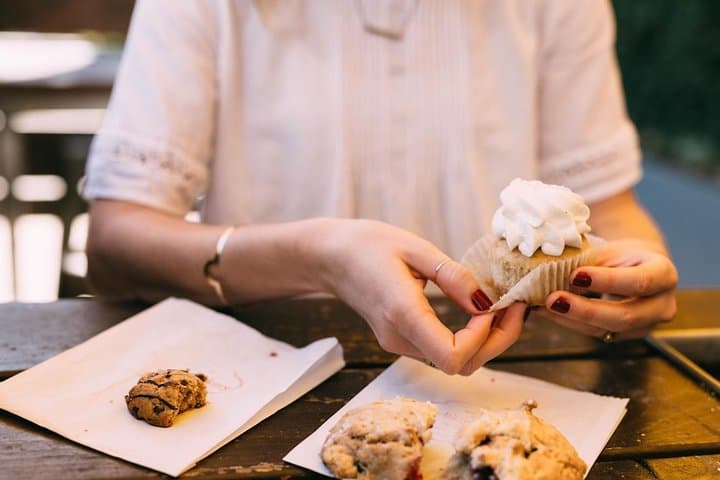
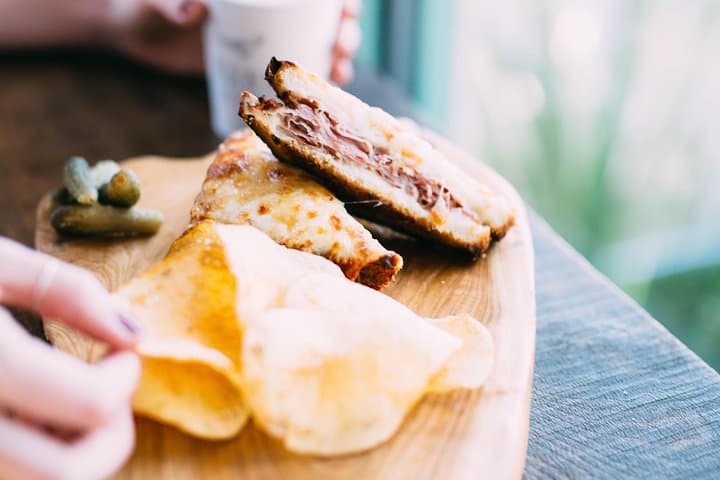
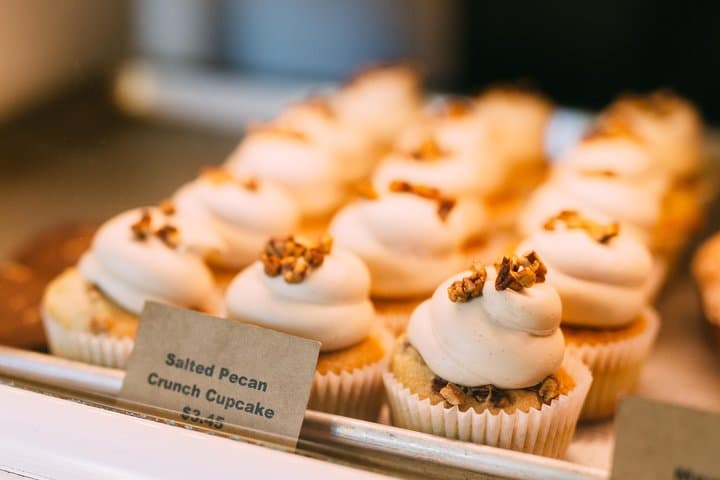
The district grew from John Sutter’s mid-19th century settlement — a gateway for settlers, miners and an agricultural boom that shaped the Central Valley. Underfoot the land is part of the Sacramento River floodplain: deep alluvial soils that fed farms and, later, immigrant communities who layered new cuisines onto the local table. The walking tour threads history and flavor together, stopping at small bakeries, a Vietnamese banh mi counter, artisan charcuterie and a coffee roaster that sources local beans.
Expect stories about Sutter’s Fort, immigrant labor and how irrigation and rail tied fields to city markets. Guides point out architectural details on early commercial buildings and explain how the Gold Rush rerouted demographics and diets.
Practically: this is a city stroll with frequent stops—three hours at a relaxed pace, mostly flat pavement and some low curbs. Tastings are included and groups are small (max 14) so conversations circulate. Bring a reusable water bottle, comfortable shoes, and a light layer for changing Bay-area-adjacent weather. If you have dietary restrictions, notify the operator ahead of time.
By the end you’ll have tasted a slice of Sacramento’s history: cuisine as living memory, streets as archives, and a clearer sense of how local agriculture became a backbone for modern food culture.
moderate.
3 hours.
Moderate — suitable for anyone comfortable walking 2–3 miles with short food-stop breaks
Yes — the tour includes multiple tastings chosen by the guide; alcoholic beverages are included where listed.
The tour is wheelchair accessible, but please notify the operator at booking so the guide can accommodate route needs.
Children are welcome but must be accompanied by an adult; note that alcohol tastings have a minimum age of 21.
Meet outside Hawks Provisions at 1525 Alhambra Blvd; complimentary parking is available at Sutter Medical Plaza with an entrance on Stockton Blvd.
Named for John Sutter’s 19th-century settlement, the area became a supply and transport hub during the Gold Rush and later a distribution center for Central Valley agriculture.
Support small, local vendors and minimize single-use plastics; staying on sidewalks and following city rules helps protect street trees and public spaces.
Local Roots Food Tours operates guided outdoor trips and adventures with an emphasis on safety, stewardship, and memorable experiences.
A morning in the Sutter District starts with the clip of shoes on sidewalks and the scent of fresh coffee pulling people toward Alhambra Boulevard. Trees arc over narrow streets, cafés open their doors, and the neighborhood hums with the kind of quiet commerce that built Sacramento.
A morning in the Sutter District starts with the clip of shoes on sidewalks and the scent of fresh coffee pulling people toward Alhambra Boulevard. Trees arc over narrow streets, cafés open their doors, and the neighborhood hums with the kind of quiet commerce that built Sacramento.
The district grew from John Sutter’s mid-19th century settlement — a gateway for settlers, miners and an agricultural boom that shaped the Central Valley. Underfoot the land is part of the Sacramento River floodplain: deep alluvial soils that fed farms and, later, immigrant communities who layered new cuisines onto the local table. The walking tour threads history and flavor together, stopping at small bakeries, a Vietnamese banh mi counter, artisan charcuterie and a coffee roaster that sources local beans.
Expect stories about Sutter’s Fort, immigrant labor and how irrigation and rail tied fields to city markets. Guides point out architectural details on early commercial buildings and explain how the Gold Rush rerouted demographics and diets.
Practically: this is a city stroll with frequent stops—three hours at a relaxed pace, mostly flat pavement and some low curbs. Tastings are included and groups are small (max 14) so conversations circulate. Bring a reusable water bottle, comfortable shoes, and a light layer for changing Bay-area-adjacent weather. If you have dietary restrictions, notify the operator ahead of time.
By the end you’ll have tasted a slice of Sacramento’s history: cuisine as living memory, streets as archives, and a clearer sense of how local agriculture became a backbone for modern food culture.