THE ADVENTURE COLLECTIVE® · Independent discovery and booking for outdoor travel

Suit up and step into a working apiary on the South Downs for a three-hour, hands-on beekeeping session. Learn hive inspection, meet the colony, and finish with local Sussex tea and a jar of honey to take home.
Suit up and step into a working apiary on the South Downs for a three-hour, hands-on beekeeping session. Learn hive inspection, meet the colony, and finish with local Sussex tea and a jar of honey to take home.
You suit up on a cool Sussex morning, the fabric of the veil firm against your jaw as bees hum like a living instrument in the hedgerows. The workshop sits on the edge of chalk downland, where the air smells faintly of thyme and cut grass; frames of honey glint in the sunlight as the beekeeper lifts a bar and lets you peer into the colony’s busy rooms.
Verified experiences and guided adventures in the surrounding area.
Operated by South Downs Honey · Lewes, East Sussex
You suit up on a cool Sussex morning, the fabric of the veil firm against your jaw as bees hum like a living instrument in the hedgerows. The workshop sits on the edge of chalk downland, where the air smells faintly of thyme and cut grass; frames of honey glint in the sunlight as the beekeeper lifts a bar and lets you peer into the colony’s busy rooms.
Sussex has a long, practical relationship with apiculture; the rolling chalk soils of the South Downs support rich wildflower meadows that define local honeys. The session traces that relationship—biology in the hive, landscape in the jar—so you’ll learn to identify brood, honey stores and pollen patterns while the guide explains seasonal cycles and simple hive husbandry.
Expect hands-on inspection under supervision, a chance to spot the queen, and a controlled hive opening that demystifies colony behavior. The experience ends with a picnic lunch or afternoon tea of Sussex produce and a jar of locally made honey to take home.
Practicalities: plan for 3 hours; modest mobility is needed to stand and move around apiaries. Wear long sleeves and closed-toe shoes, and avoid strong perfumes. Operators supply protective suits and tools. The activity suits anyone curious about pollinators, local food chains, and small-scale farming, but it’s not recommended for pregnant guests or those with serious cardiovascular issues. If you have a severe bee allergy, disclose it before booking; casual stings are possible despite careful handling.
moderate.
3 hours.
Moderate—able to stand, bend, and walk short distances across grass and uneven ground.
Protective beekeeping equipment, hands-on hive inspection under guidance, expert instruction, and a picnic lunch or afternoon tea; a jar of locally produced honey is included to take home.
The apiary area is wheelchair accessible, but some hive inspections may require standing and moving on grass; inform the operator of mobility needs at booking.
Protective suits and calm handling reduce risk, but stings are possible; this experience is not recommended for people with severe bee allergies, and pregnant guests or those with serious heart conditions should avoid participation.
The apiary is in the Sussex countryside, roughly 1.5 hours by car or rail from central London depending on traffic and connections.
Beekeeping in Sussex draws on centuries of small-scale and cottage-industry traditions; local hives have long been part of mixed farms that shaped regional honey flavors.
Operators typically follow pollinator-friendly practices—maintaining forage habitats and avoiding pesticides—to support hive health and local biodiversity.
South Downs Honey operates guided outdoor trips and adventures with an emphasis on safety, stewardship, and memorable experiences.

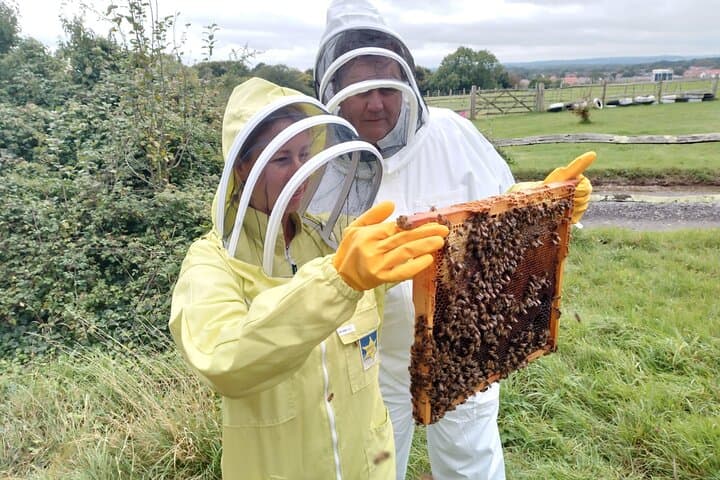
You suit up on a cool Sussex morning, the fabric of the veil firm against your jaw as bees hum like a living instrument in the hedgerows. The workshop sits on the edge of chalk downland, where the air smells faintly of thyme and cut grass; frames of honey glint in the sunlight as the beekeeper lifts a bar and lets you peer into the colony’s busy rooms.
You suit up on a cool Sussex morning, the fabric of the veil firm against your jaw as bees hum like a living instrument in the hedgerows. The workshop sits on the edge of chalk downland, where the air smells faintly of thyme and cut grass; frames of honey glint in the sunlight as the beekeeper lifts a bar and lets you peer into the colony’s busy rooms.
Sussex has a long, practical relationship with apiculture; the rolling chalk soils of the South Downs support rich wildflower meadows that define local honeys. The session traces that relationship—biology in the hive, landscape in the jar—so you’ll learn to identify brood, honey stores and pollen patterns while the guide explains seasonal cycles and simple hive husbandry.
Expect hands-on inspection under supervision, a chance to spot the queen, and a controlled hive opening that demystifies colony behavior. The experience ends with a picnic lunch or afternoon tea of Sussex produce and a jar of locally made honey to take home.
Practicalities: plan for 3 hours; modest mobility is needed to stand and move around apiaries. Wear long sleeves and closed-toe shoes, and avoid strong perfumes. Operators supply protective suits and tools. The activity suits anyone curious about pollinators, local food chains, and small-scale farming, but it’s not recommended for pregnant guests or those with serious cardiovascular issues. If you have a severe bee allergy, disclose it before booking; casual stings are possible despite careful handling.