THE ADVENTURE COLLECTIVE® · Independent discovery and booking for outdoor travel

Learn to roll restaurant-quality sushi while sipping craft spirits in a local Chicago distillery. This two-hour hands-on class teaches rice, knife skills, and two signature rolls in a lively, accessible setting.
Learn to roll restaurant-quality sushi while sipping craft spirits in a local Chicago distillery. This two-hour hands-on class teaches rice, knife skills, and two signature rolls in a lively, accessible setting.
You step through a steel door and into a room warmed by polished copper stills and the faint tang of rice vinegar — the hum of conversation mixing with the clink of glassware. Under warm task lighting, a chef lays out bamboo mats and neat piles of rice, mango, avocado and nori; the city beyond the windows keeps its distant roar, Lake Michigan daring the skyline to hold steady.
Verified experiences and guided adventures in the surrounding area.
Operated by Classpop! · Chicago, Illinois
You step through a steel door and into a room warmed by polished copper stills and the faint tang of rice vinegar — the hum of conversation mixing with the clink of glassware. Under warm task lighting, a chef lays out bamboo mats and neat piles of rice, mango, avocado and nori; the city beyond the windows keeps its distant roar, Lake Michigan daring the skyline to hold steady.
Sushi’s practical roots go back to Edo-period Japan where technique and timing mattered as much as ingredients. Chicago’s long grain-and-grain-liquor history — from Midwest farms to industrial distilleries — frames this modern crossover of craft spirits and hands-on culinary learning. The class reflects local culture: direct instruction, a focus on technique, and a casual, social atmosphere where learning is paired with tasting.
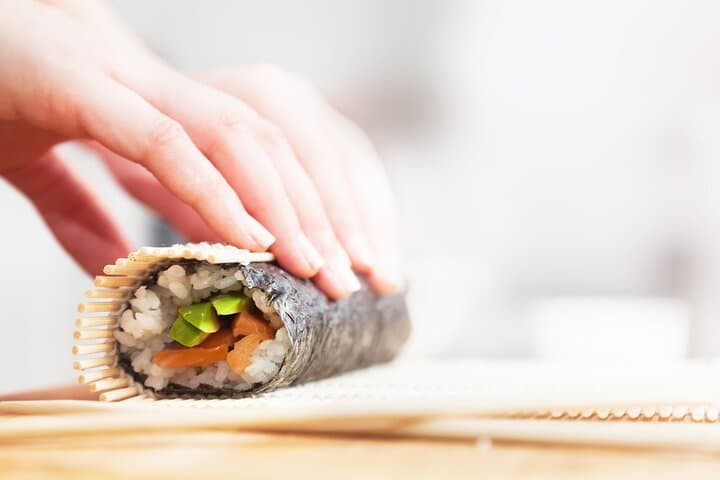
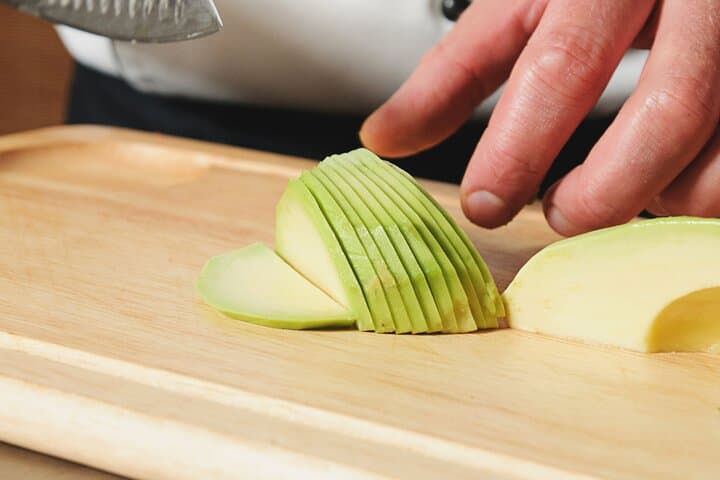
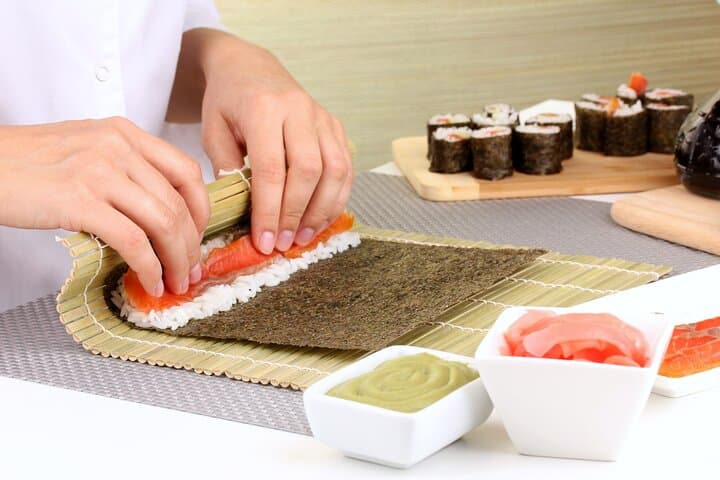
Expect a clear, methodical lesson: steaming and seasoning sushi rice, basic knife work, and assembling two signature rolls (a mango-veggie roll and a classic California roll). The distillery setting adds a tasting element; spirits are available for purchase but not required to participate.
Practical notes: the session runs about two hours, requires standing work and short bursts of focused knife practice, and accommodates dietary needs with advance notice. Bring an ID if you intend to sample spirits. Shoes should be closed-toe and clothes washable — rice and soy have opinions about outfit choices. Arrive at least ten minutes early to check in; the best slices come to those who pace themselves.
This is a social skill-builder more than a culinary certification: leave with confidence in rolling, sharper knife comfort, and a meal you made that tastes better for the effort.
easy.
2 hours.
Light: standing, moderate hand and wrist use for rolling and light knife work; no special fitness required.
No — the class is designed for beginners and enthusiasts; the chef teaches rice prep, rolling technique and knife basics.
Alcohol is not included; the distillery’s spirits are available for purchase during or after the class.
Yes — the host requests advance notice to accommodate allergies, vegetarian preferences, or other restrictions.
Yes — the booking notes indicate wheelchair accessibility; contact the operator ahead of time for specific accommodation needs.
Sushi evolved in Japan as a technique-driven cuisine centered on rice and preservation; Chicago’s distilling scene borrows from the region’s grain farming and a renewed interest in small-batch spirits.
Opt for sustainably sourced seafood when possible and minimize food waste by finishing what you prepare; the distillery encourages responsible tasting and recycling.
Classpop! operates guided outdoor trips and adventures with an emphasis on safety, stewardship, and memorable experiences.
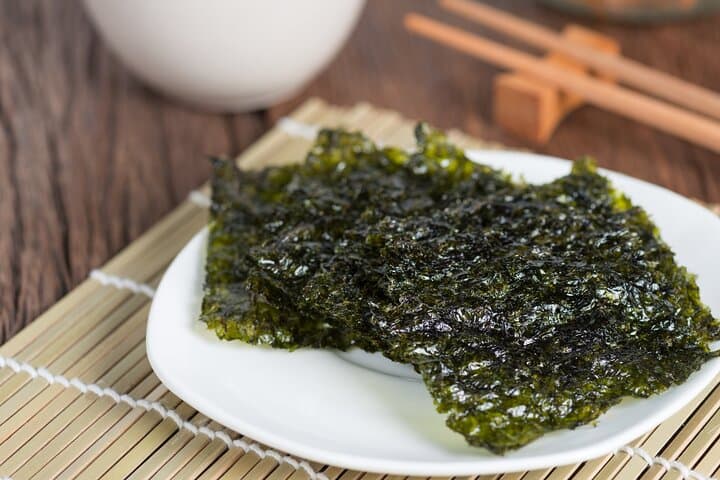
You step through a steel door and into a room warmed by polished copper stills and the faint tang of rice vinegar — the hum of conversation mixing with the clink of glassware. Under warm task lighting, a chef lays out bamboo mats and neat piles of rice, mango, avocado and nori; the city beyond the windows keeps its distant roar, Lake Michigan daring the skyline to hold steady.
You step through a steel door and into a room warmed by polished copper stills and the faint tang of rice vinegar — the hum of conversation mixing with the clink of glassware. Under warm task lighting, a chef lays out bamboo mats and neat piles of rice, mango, avocado and nori; the city beyond the windows keeps its distant roar, Lake Michigan daring the skyline to hold steady.
Sushi’s practical roots go back to Edo-period Japan where technique and timing mattered as much as ingredients. Chicago’s long grain-and-grain-liquor history — from Midwest farms to industrial distilleries — frames this modern crossover of craft spirits and hands-on culinary learning. The class reflects local culture: direct instruction, a focus on technique, and a casual, social atmosphere where learning is paired with tasting.
Expect a clear, methodical lesson: steaming and seasoning sushi rice, basic knife work, and assembling two signature rolls (a mango-veggie roll and a classic California roll). The distillery setting adds a tasting element; spirits are available for purchase but not required to participate.
Practical notes: the session runs about two hours, requires standing work and short bursts of focused knife practice, and accommodates dietary needs with advance notice. Bring an ID if you intend to sample spirits. Shoes should be closed-toe and clothes washable — rice and soy have opinions about outfit choices. Arrive at least ten minutes early to check in; the best slices come to those who pace themselves.
This is a social skill-builder more than a culinary certification: leave with confidence in rolling, sharper knife comfort, and a meal you made that tastes better for the effort.