THE ADVENTURE COLLECTIVE® · Independent discovery and booking for outdoor travel

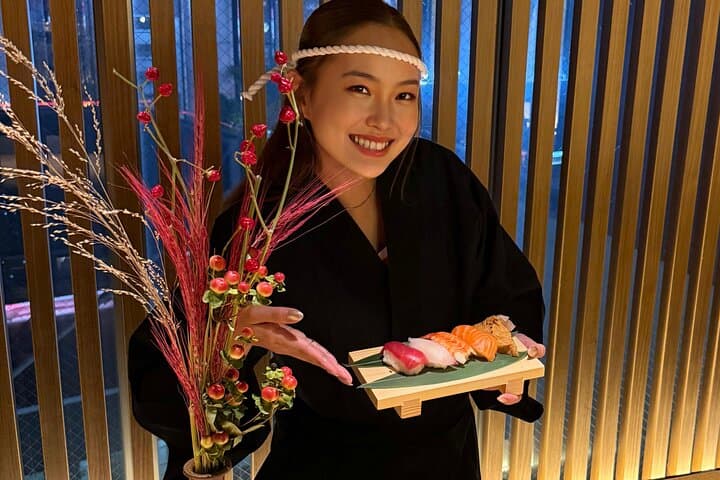
Learn to make nigiri and maki in a two-hour, hands‑on class in central Fukuoka. The lesson blends practical technique with lessons on seasonal ingredients and local food history—then you share the meal you made.
Learn to make nigiri and maki in a two-hour, hands‑on class in central Fukuoka. The lesson blends practical technique with lessons on seasonal ingredients and local food history—then you share the meal you made.
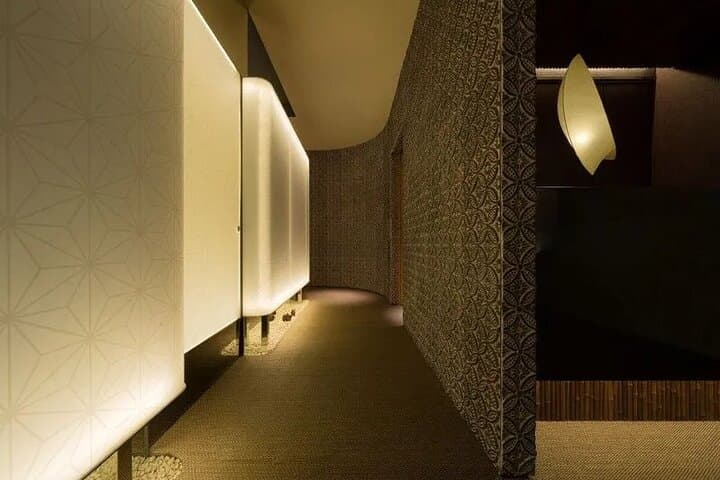
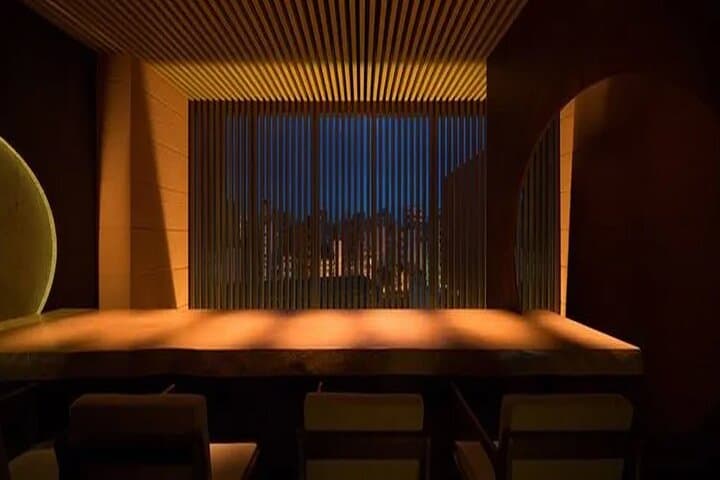
Morning light filters through paper screens as participants gather in a clean, award-winning studio in central Fukuoka—an intimate room where the scent of warm rice meets the briny edge of the sea.
Verified experiences and guided adventures in the surrounding area.
Operated by tsukimichi · Fukuoka, Fukuoka Prefecture
Morning light filters through paper screens as participants gather in a clean, award-winning studio in central Fukuoka—an intimate room where the scent of warm rice meets the briny edge of the sea.
The class opens with a short talk about sushi’s evolution from Edo-period street food to the refined omakase plates served today, then shifts to the practical: washing and seasoning rice, selecting seasonal fillings, and learning the wrist motion that shapes nigiri. Fukuoka’s location on Kyushu brings proximity to rich coastal fisheries, so instructors emphasize local, seasonal ingredients and the city’s long trade history that shaped its food culture.
The studio sits within easy reach of Yanagibashi Market and Hakata’s riverside, offering a chance to pair the class with market browsing or a walk along the Naka River. Expect hands-on repetition—rolling maki, pressing nigiri, tasting and adjusting—and a communal meal at the end with Japanese tea.
Practical notes: the two-hour private class is beginner-friendly but requires attention to hygiene and basic knife safety taught on site. Bring any dietary restrictions in advance; many instructors can swap in vegetarian options but seafood substitutions are time-sensitive. Plan to arrive 10–15 minutes early by subway or taxi, wear closed-toe shoes and sleeves you can roll up, and bring a camera for the commemorative photo.
This experience balances cultural context and practical skills: you’ll leave with a fuller understanding of sushi’s seasonal logic and the confidence to recreate simple nigiri and maki back home.
easy.
2 hours.
Minimal physical exertion—ability to stand for up to two hours and perform light hand movements.
No—this class is designed for beginners; the instructor guides each step from rice seasoning to shaping.
Yes if notified in advance; vegetarian and some substitution options are possible but must be arranged before the class.
Classes are typically taught in English or Japanese depending on the instructor—confirm language availability when booking.
The venue is centrally located in Fukuoka with nearby subway and bus access; public transport options are available within a short walk.
Sushi traces modern roots to Edo-era preservation techniques; in Fukuoka, coastal trade and seasonal fisheries have long shaped local sushi styles and ingredient choices.
Many local chefs prioritize seasonal, locally caught seafood to reduce carbon footprint; guests are encouraged to ask about sustainable sourcing and to minimize waste.
tsukimichi operates guided outdoor trips and adventures with an emphasis on safety, stewardship, and memorable experiences.

Morning light filters through paper screens as participants gather in a clean, award-winning studio in central Fukuoka—an intimate room where the scent of warm rice meets the briny edge of the sea.
Morning light filters through paper screens as participants gather in a clean, award-winning studio in central Fukuoka—an intimate room where the scent of warm rice meets the briny edge of the sea.
The class opens with a short talk about sushi’s evolution from Edo-period street food to the refined omakase plates served today, then shifts to the practical: washing and seasoning rice, selecting seasonal fillings, and learning the wrist motion that shapes nigiri. Fukuoka’s location on Kyushu brings proximity to rich coastal fisheries, so instructors emphasize local, seasonal ingredients and the city’s long trade history that shaped its food culture.
The studio sits within easy reach of Yanagibashi Market and Hakata’s riverside, offering a chance to pair the class with market browsing or a walk along the Naka River. Expect hands-on repetition—rolling maki, pressing nigiri, tasting and adjusting—and a communal meal at the end with Japanese tea.
Practical notes: the two-hour private class is beginner-friendly but requires attention to hygiene and basic knife safety taught on site. Bring any dietary restrictions in advance; many instructors can swap in vegetarian options but seafood substitutions are time-sensitive. Plan to arrive 10–15 minutes early by subway or taxi, wear closed-toe shoes and sleeves you can roll up, and bring a camera for the commemorative photo.
This experience balances cultural context and practical skills: you’ll leave with a fuller understanding of sushi’s seasonal logic and the confidence to recreate simple nigiri and maki back home.