THE ADVENTURE COLLECTIVE® · Independent discovery and booking for outdoor travel

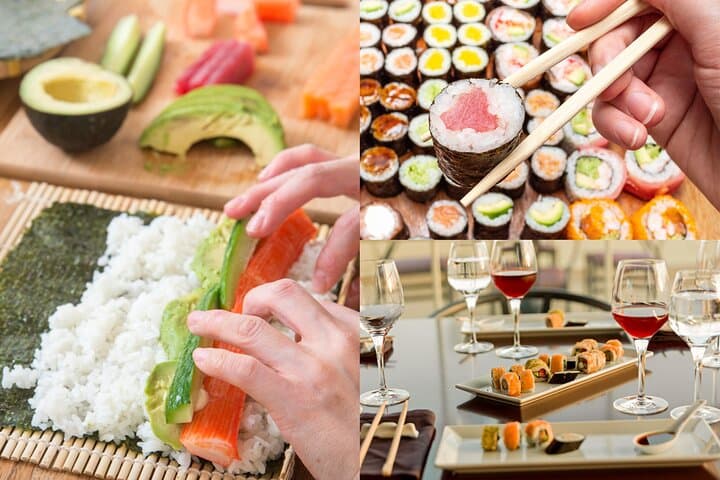
Learn to roll restaurant-quality sushi while sipping craft spirits at a lively Boston distillery. This two-hour, hands-on class taught by Chef Harold covers sushi rice, inside-out rolls, hand rolls, and a simple miso starter—no prior experience required.
Learn to roll restaurant-quality sushi while sipping craft spirits at a lively Boston distillery. This two-hour, hands-on class taught by Chef Harold covers sushi rice, inside-out rolls, hand rolls, and a simple miso starter—no prior experience required.
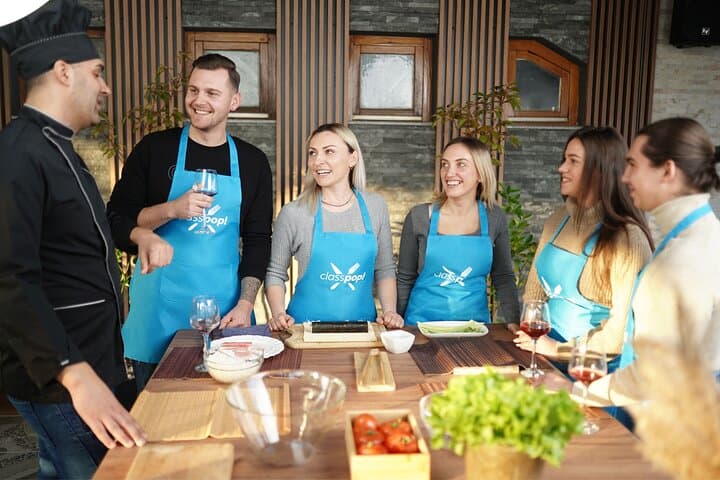
Step inside a converted distillery in Boston and the first thing you notice is the layered hum — copper stills at one end, laughter and the clack of chopsticks at the other. Light from industrial windows cuts across stainless tables where Chef Harold lays out sheets of nori, bowls of steaming sushi rice, and jars of pickled ginger. The room smells of toasted sesame and the bay beyond, whose tides push and pull against the city’s shoreline like a distant metronome.
Verified experiences and guided adventures in the surrounding area.
Operated by Classpop! · Boston, Massachusetts
Step inside a converted distillery in Boston and the first thing you notice is the layered hum — copper stills at one end, laughter and the clack of chopsticks at the other. Light from industrial windows cuts across stainless tables where Chef Harold lays out sheets of nori, bowls of steaming sushi rice, and jars of pickled ginger. The room smells of toasted sesame and the bay beyond, whose tides push and pull against the city’s shoreline like a distant metronome.
Boston’s story as a port city shaped its modern food scene: immigrants and sailors brought preserved seafood and preserved techniques, while 19th–20th century industrial buildings now host small-batch distilleries and kitchens. The distillery setting is part culture, part reclamation — grain-to-glass meets rice-to-roll. Expect to learn about sushi rice preparation, uramaki and temaki techniques, and the balance of texture and seasoning that lifts a simple roll.
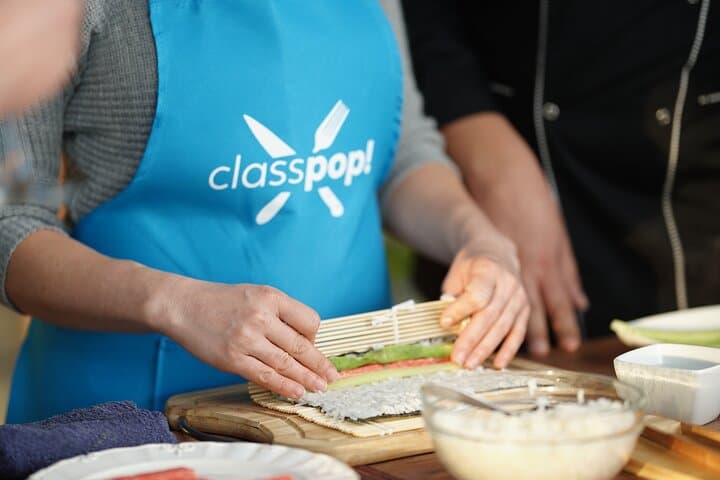
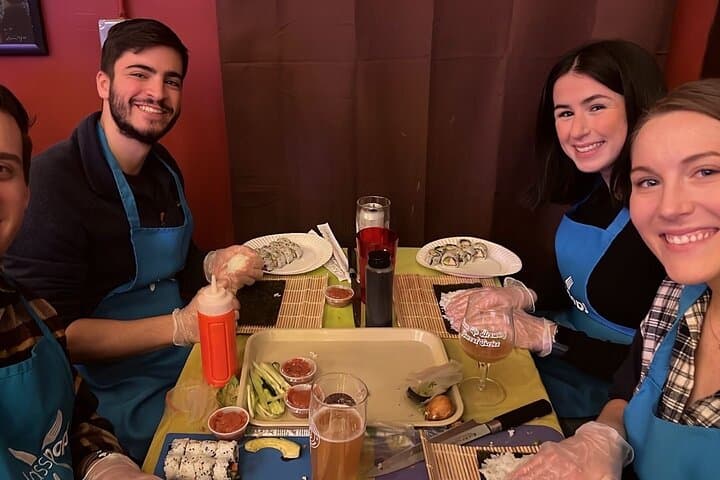
This is a hands-on, beginner-friendly class designed for social groups and date nights. You’ll stand for most of the session, follow live demonstrations, and then roll your own shrimp tempura, sweet potato, and spicy tuna creations. Timing-wise, arrive early to check in and claim a station; chef tips accelerate your progress more than reading recipes ever will.
Practical notes: tell the host about allergies in advance, dress in comfortable shoes, and bring a reusable bottle if you prefer nonalcoholic hydration. Public transit serves most distillery districts; parking can be limited on weekends. Leave with a new kitchen skill, a few tricks for better sushi rice, and a refreshed sense of how Boston’s maritime past flavors its present culinary experiments.
easy.
2 hours.
Minimal fitness required—participants should be comfortable standing and using fine motor skills for 90–120 minutes.
No—this class is designed for beginners and covers basics like sushi rice preparation and two roll styles with step-by-step instruction.
Yes; the distillery serves craft spirits and cocktails. Nonalcoholic options are typically available—pace yourself to keep steady hands while rolling.
Yes—the listing notes wheelchair accessibility and nearby public transport; contact the host in advance for specific accommodations.
Notify the host during booking and again on arrival; the chef can often accommodate common dietary restrictions with advance notice.
Boston’s distillery and port districts evolved from 19th-century industrial and maritime activity; many breweries and distilleries repurposed old warehouses into tasting rooms and kitchens.
Many Boston food businesses emphasize local sourcing and reduced seafood waste—ask about sustainable fish choices and composting practices at the venue.
Classpop! operates guided outdoor trips and adventures with an emphasis on safety, stewardship, and memorable experiences.
Step inside a converted distillery in Boston and the first thing you notice is the layered hum — copper stills at one end, laughter and the clack of chopsticks at the other. Light from industrial windows cuts across stainless tables where Chef Harold lays out sheets of nori, bowls of steaming sushi rice, and jars of pickled ginger. The room smells of toasted sesame and the bay beyond, whose tides push and pull against the city’s shoreline like a distant metronome.
Step inside a converted distillery in Boston and the first thing you notice is the layered hum — copper stills at one end, laughter and the clack of chopsticks at the other. Light from industrial windows cuts across stainless tables where Chef Harold lays out sheets of nori, bowls of steaming sushi rice, and jars of pickled ginger. The room smells of toasted sesame and the bay beyond, whose tides push and pull against the city’s shoreline like a distant metronome.
Boston’s story as a port city shaped its modern food scene: immigrants and sailors brought preserved seafood and preserved techniques, while 19th–20th century industrial buildings now host small-batch distilleries and kitchens. The distillery setting is part culture, part reclamation — grain-to-glass meets rice-to-roll. Expect to learn about sushi rice preparation, uramaki and temaki techniques, and the balance of texture and seasoning that lifts a simple roll.
This is a hands-on, beginner-friendly class designed for social groups and date nights. You’ll stand for most of the session, follow live demonstrations, and then roll your own shrimp tempura, sweet potato, and spicy tuna creations. Timing-wise, arrive early to check in and claim a station; chef tips accelerate your progress more than reading recipes ever will.
Practical notes: tell the host about allergies in advance, dress in comfortable shoes, and bring a reusable bottle if you prefer nonalcoholic hydration. Public transit serves most distillery districts; parking can be limited on weekends. Leave with a new kitchen skill, a few tricks for better sushi rice, and a refreshed sense of how Boston’s maritime past flavors its present culinary experiments.