THE ADVENTURE COLLECTIVE® · Independent discovery and booking for outdoor travel

Turn a rainy day in Osaka into a tactical playground. This indoor airsoft "survival game" pairs clear safety instruction with multiple rounds of team-based play — fast to learn, social, and physically engaging.
Turn a rainy day in Osaka into a tactical playground. This indoor airsoft "survival game" pairs clear safety instruction with multiple rounds of team-based play — fast to learn, social, and physically engaging.
A low-ceilinged arena hums with strategy: teams slip between plywood barricades and shipping-crate walls while overhead lights throw hard shadows that dare you to move. Inside, the usual weather of Osaka is irrelevant — rain, heat, or wind stay outside — but the pulse of the city is audible when doors open and players file in.
Verified experiences and guided adventures in the surrounding area.
Operated by Hiroki Kishi · Osaka, Osaka Prefecture
A low-ceilinged arena hums with strategy: teams slip between plywood barricades and shipping-crate walls while overhead lights throw hard shadows that dare you to move. Inside, the usual weather of Osaka is irrelevant — rain, heat, or wind stay outside — but the pulse of the city is audible when doors open and players file in.
Airsoft, called “survival game” in Japan, grew from hobbyist roots in the 1970s and evolved under strict safety and legal rules that keep play controlled and social. Osaka’s indoor fields mirror the city’s practical energy: compact spaces, tactical blind corners, and equipment rules enforced by instructors who run each round with clear safety protocols.
Culturally, these matches are as much about camaraderie as competition — players trade tactics between rounds and hobby shops nearby stock spare magazines and custom parts. Geology and landscape take a back seat; the experience is shaped by built surfaces and creative arena design rather than terrain.
Practical guidance: arrive with long sleeves and closed-toe shoes (the operator often provides guns, masks, and BBs). Expect about five hours for briefing, safety instruction, and multiple games; instructors will explain rules and shooting etiquette in English-friendly terms but plan to listen closely. Bring ID and any medical information; small cuts and bruises are more common than real injuries, but eye protection is mandatory.
This is best for travelers seeking active indoor adventure, meeting local players, or rescuing a rainy sightseeing day — quick to learn, social, and physically engaging without requiring special skills.
moderate.
5 hours.
Light to moderate fitness; be able to walk, crouch, and move quickly for short bursts.
No — instructors provide safety briefings and basic tactics; newcomers can join mixed-skill groups and learn on the spot.
Yes — most operators supply toy guns, masks, and BBs, but you should bring long sleeves and closed-toe shoes.
Facilities typically set minimum age limits and advise against participation for pregnant guests or those with serious spinal or heart issues; check booking requirements before reserving.
Instructors often speak basic English and will demonstrate safety procedures; ask about language support when booking if you require a specific language.
Airsoft originated in Japan in the 1970s as a regulated hobby; its growth emphasized strict safety standards and indoor fields evolved to provide year-round play.
Choose indoor venues to limit environmental impact; pick up packaging and use designated bins for BBs and waste to keep facilities clean.
Hiroki Kishi operates guided outdoor trips and adventures with an emphasis on safety, stewardship, and memorable experiences.
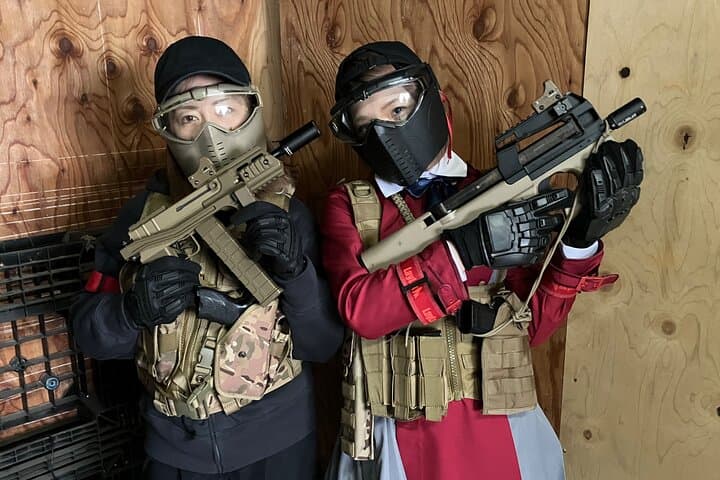
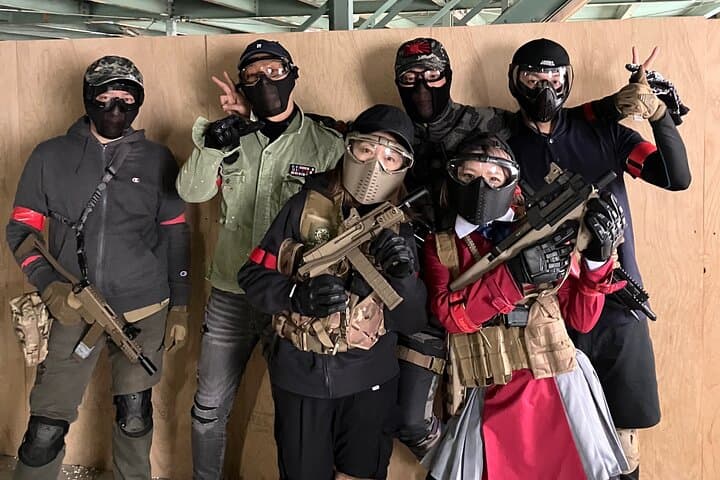
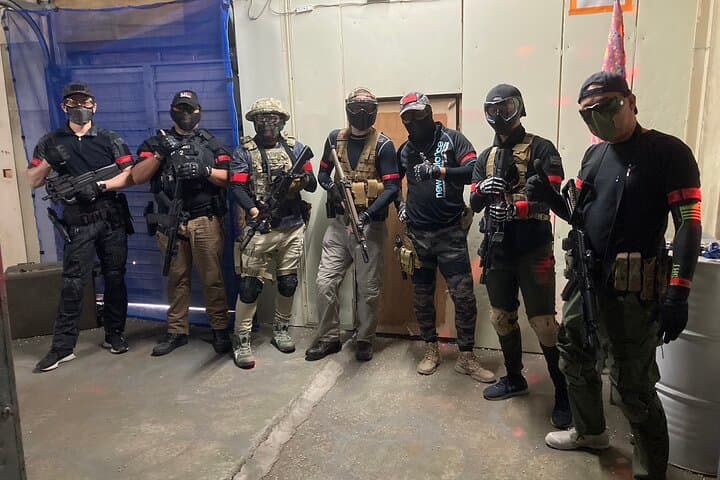
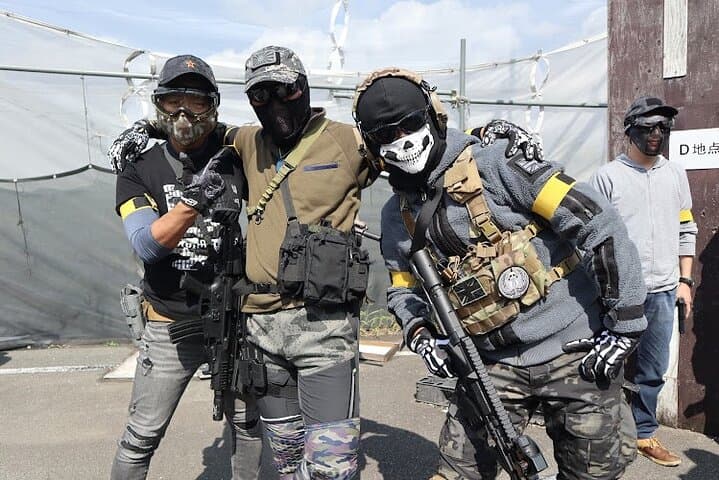
A low-ceilinged arena hums with strategy: teams slip between plywood barricades and shipping-crate walls while overhead lights throw hard shadows that dare you to move. Inside, the usual weather of Osaka is irrelevant — rain, heat, or wind stay outside — but the pulse of the city is audible when doors open and players file in.
A low-ceilinged arena hums with strategy: teams slip between plywood barricades and shipping-crate walls while overhead lights throw hard shadows that dare you to move. Inside, the usual weather of Osaka is irrelevant — rain, heat, or wind stay outside — but the pulse of the city is audible when doors open and players file in.
Airsoft, called “survival game” in Japan, grew from hobbyist roots in the 1970s and evolved under strict safety and legal rules that keep play controlled and social. Osaka’s indoor fields mirror the city’s practical energy: compact spaces, tactical blind corners, and equipment rules enforced by instructors who run each round with clear safety protocols.
Culturally, these matches are as much about camaraderie as competition — players trade tactics between rounds and hobby shops nearby stock spare magazines and custom parts. Geology and landscape take a back seat; the experience is shaped by built surfaces and creative arena design rather than terrain.
Practical guidance: arrive with long sleeves and closed-toe shoes (the operator often provides guns, masks, and BBs). Expect about five hours for briefing, safety instruction, and multiple games; instructors will explain rules and shooting etiquette in English-friendly terms but plan to listen closely. Bring ID and any medical information; small cuts and bruises are more common than real injuries, but eye protection is mandatory.
This is best for travelers seeking active indoor adventure, meeting local players, or rescuing a rainy sightseeing day — quick to learn, social, and physically engaging without requiring special skills.