THE ADVENTURE COLLECTIVE® · Independent discovery and booking for outdoor travel

A full‑day journey from Las Pozas’ concrete stairways through cloud forest to the vertiginous Sótano de las Huahuas. Expect jungle pathways, dramatic sinkhole views and an unforgettable hour of bird spectacle.
A full‑day journey from Las Pozas’ concrete stairways through cloud forest to the vertiginous Sótano de las Huahuas. Expect jungle pathways, dramatic sinkhole views and an unforgettable hour of bird spectacle.
You step from a cool, air‑conditioned van into humid mountain air and immediately feel the jungle pressing close—ferns brushing stone, orchids tucked into concrete balustrades, and staircases that climb and fold like sculpture. This full‑day route threads Edward James's surreal garden, Las Pozas, with a visit to the cavernous Sótano de las Huahuas where thousands of birds shear past a 90‑meter rock mouth.
Verified experiences and guided adventures in the surrounding area.
Operated by Huasteca Viva · Xilitla, San Luis Potosí
You step from a cool, air‑conditioned van into humid mountain air and immediately feel the jungle pressing close—ferns brushing stone, orchids tucked into concrete balustrades, and staircases that climb and fold like sculpture. This full‑day route threads Edward James's surreal garden, Las Pozas, with a visit to the cavernous Sótano de las Huahuas where thousands of birds shear past a 90‑meter rock mouth.
Las Pozas began as an eccentric mid‑20th century experiment in art and landscape: concrete towers, winding corridors and waterfalls carved into cloud forest slope. The geology here is limestone and karst, which has been sculpted by underground water into caves and sinkholes; the Sótano is a dramatic example, plunging some 478 meters and producing powerful air currents that attract swifts and bats.
Local culture in Xilitla blends indigenous Huastec traditions with campesino coffee farms; food at the end of the tour often features regional tamales and citrus. Expect uneven stone steps, concrete pathways, and damp jungle trails—total walking roughly 3–5 km with intermittent elevation changes and cumulative gain of around 200–300 m on compacted and sometimes muddy terrain.
Practical guidance: wear grippy shoes and bring a light rain shell; mornings are best for clearer views and bird activity, while afternoon showers are common in summer. The tour typically lasts about 10 hours and includes guides, entrance fees and one full meal. For photographers, plan lens changes carefully—tight corridors demand a wide angle, while the Sótano requires a telephoto to capture the swifts’ rush.
moderate.
10 hours.
Moderate fitness — able to handle several hours of walking, stair climbs and short uneven hikes.
The tour is approximately 10 hours and typically includes transport, a guide, entrance fees, flotation vests/helmets for any water stops, and one full meal at the end.
Yes—viewing is from established rim points; expect steep dropoffs and breezy conditions, so follow guide instructions and stay behind barriers.
Infants and small children can participate; the operator notes stroller access and infant seats, but some sections involve stairs and uneven terrain, so discretion is advised.
Dry season months (roughly November–April) offer clearer trails and views, while the rainy season increases river flow and jungle greenness but brings slippery conditions.
Edward James, an English patron of surrealism, began building Las Pozas in the 1940s as an experimental garden combining concrete sculpture with cloud forest; the Sótano has long been a natural landmark in Huasteca karst topography.
The region’s karst and cloud forest are sensitive—stay on paths, avoid disturbing nesting birds at the Sótano, and support local guides who follow established conservation practices.
Huasteca Viva operates guided outdoor trips and adventures with an emphasis on safety, stewardship, and memorable experiences.
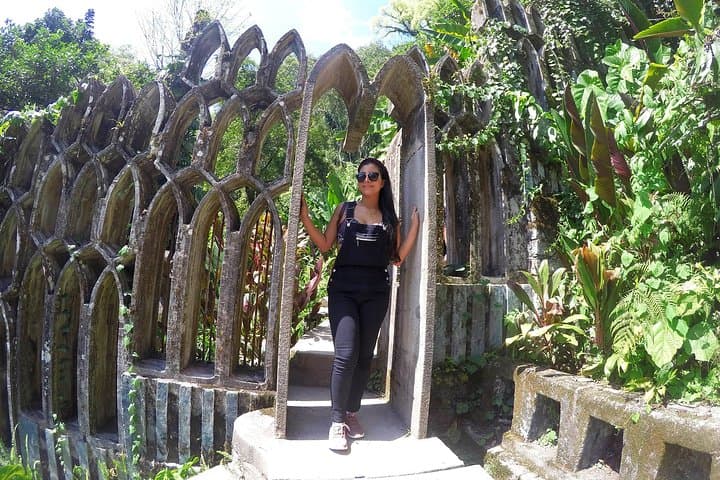
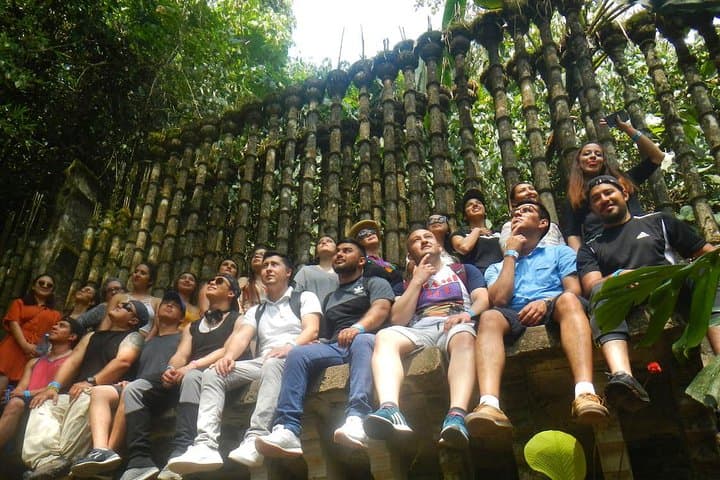
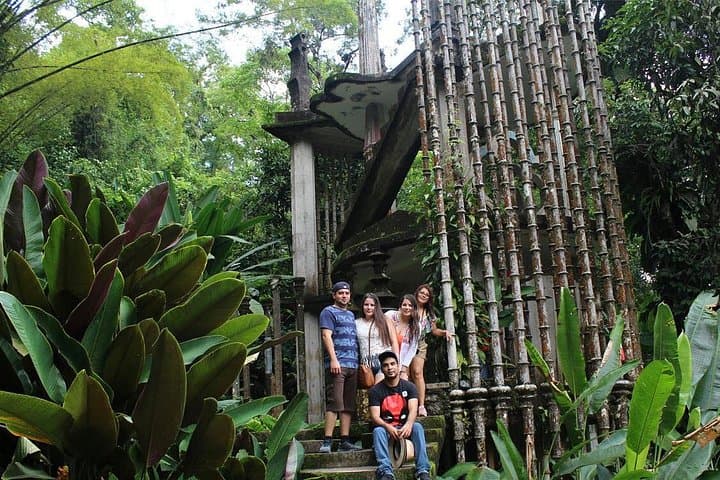
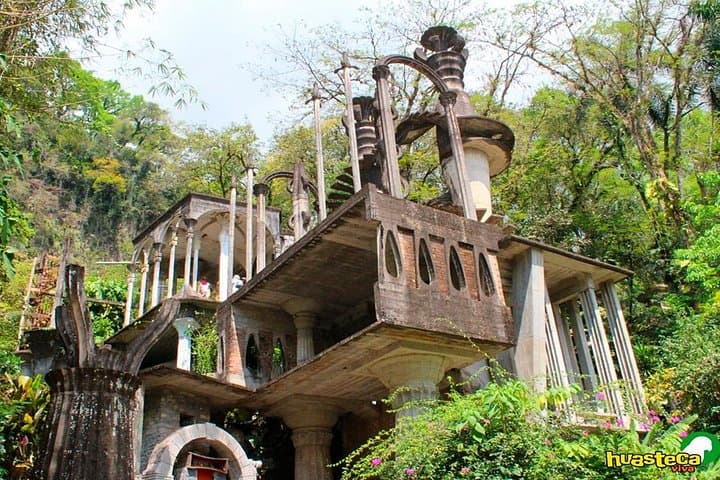
You step from a cool, air‑conditioned van into humid mountain air and immediately feel the jungle pressing close—ferns brushing stone, orchids tucked into concrete balustrades, and staircases that climb and fold like sculpture. This full‑day route threads Edward James's surreal garden, Las Pozas, with a visit to the cavernous Sótano de las Huahuas where thousands of birds shear past a 90‑meter rock mouth.
You step from a cool, air‑conditioned van into humid mountain air and immediately feel the jungle pressing close—ferns brushing stone, orchids tucked into concrete balustrades, and staircases that climb and fold like sculpture. This full‑day route threads Edward James's surreal garden, Las Pozas, with a visit to the cavernous Sótano de las Huahuas where thousands of birds shear past a 90‑meter rock mouth.
Las Pozas began as an eccentric mid‑20th century experiment in art and landscape: concrete towers, winding corridors and waterfalls carved into cloud forest slope. The geology here is limestone and karst, which has been sculpted by underground water into caves and sinkholes; the Sótano is a dramatic example, plunging some 478 meters and producing powerful air currents that attract swifts and bats.
Local culture in Xilitla blends indigenous Huastec traditions with campesino coffee farms; food at the end of the tour often features regional tamales and citrus. Expect uneven stone steps, concrete pathways, and damp jungle trails—total walking roughly 3–5 km with intermittent elevation changes and cumulative gain of around 200–300 m on compacted and sometimes muddy terrain.
Practical guidance: wear grippy shoes and bring a light rain shell; mornings are best for clearer views and bird activity, while afternoon showers are common in summer. The tour typically lasts about 10 hours and includes guides, entrance fees and one full meal. For photographers, plan lens changes carefully—tight corridors demand a wide angle, while the Sótano requires a telephoto to capture the swifts’ rush.