THE ADVENTURE COLLECTIVE® · Independent discovery and booking for outdoor travel

Walk through the colorful chaos of Mercado 1 de Surquillo, taste 35+ native fruits, then learn to prepare a four-course Peruvian meal and a Pisco Sour. This five-hour market-to-kitchen experience combines urban food history with hands-on technique.
Walk through the colorful chaos of Mercado 1 de Surquillo, taste 35+ native fruits, then learn to prepare a four-course Peruvian meal and a Pisco Sour. This five-hour market-to-kitchen experience combines urban food history with hands-on technique.
Under the crowded awnings of Mercado 1 de Surquillo, a corridor of fruit stalls unspools like a living map of Peru’s climates. You start among pyramids of lucuma, camu camu and cherimoya, their scents bright against the grease and diesel of the nearby avenue. The guide prowls the alleys, naming tubers and grains from the high Andes and pulling ripe samples—today you will taste more than 35 fruits before a short transfer to a compact teaching kitchen where Pisco Sours await.
Verified experiences and guided adventures in the surrounding area.
Operated by SkyKitchen Peruvian Cooking Classes · Lima, Lima
Under the crowded awnings of Mercado 1 de Surquillo, a corridor of fruit stalls unspools like a living map of Peru’s climates. You start among pyramids of lucuma, camu camu and cherimoya, their scents bright against the grease and diesel of the nearby avenue. The guide prowls the alleys, naming tubers and grains from the high Andes and pulling ripe samples—today you will taste more than 35 fruits before a short transfer to a compact teaching kitchen where Pisco Sours await.
Surquillo is a working market with roots in Lima’s 20th-century urban expansion; it became a central hub for rural producers to reach city tables and helped popularize ingredients such as quinoa and ají amarillo. Geologically, the vendors trace produce from coastal valleys, Andean plateaus and Amazonian lowlands, condensing diverse ecosystems into a single stall.
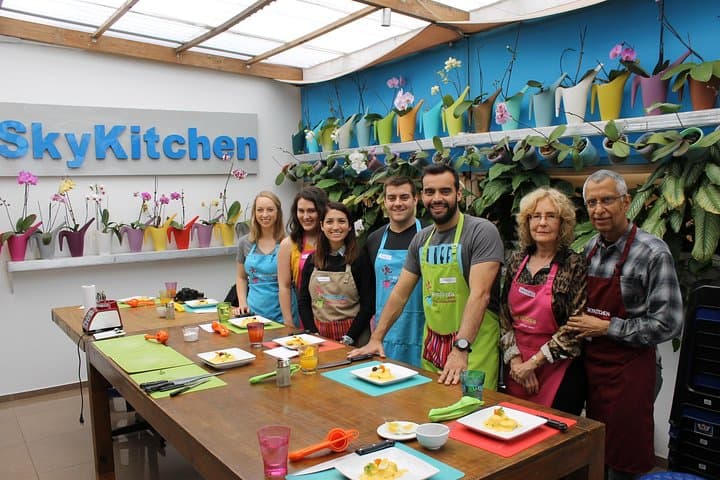
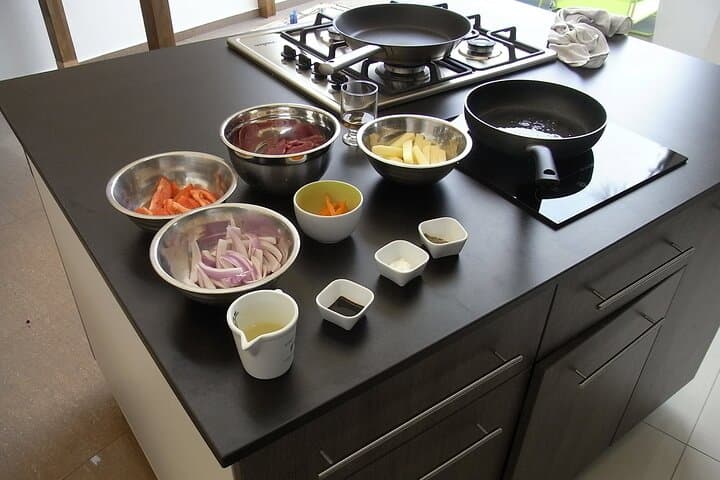
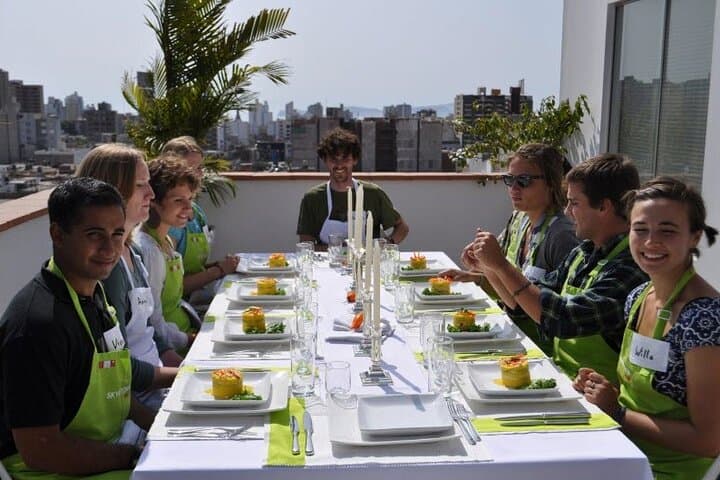
Culturally the class shows how Peruvian cuisine is a fusion: indigenous staples meet Spanish and Asian influences in dishes like causa, ceviche and lomo saltado. The practical part of the day teaches knife technique, citrus curing for ceviche and how to balance a Pisco Sour—then you eat what you make: a four-course lunch finished with picarones.
Expect five hours of walking, standing and hands-on cooking in an urban kitchen: bring comfortable shoes, a light jacket for the market’s early-morning garúa fog, and note dietary restrictions ahead of time. Small-group sizes mean personal attention, and the market transfer gives a quick window into Lima’s foodways that’s both sensory and instructive. Bring an appetite and small notebook.
moderate.
5 hours.
Good mobility for walking, standing and light kitchen tasks; able to climb few steps and handle short periods of chopping and stirring.
Yes—small bills are useful for buying extra samples, tipping vendors, or paying for incidentals though the class fee covers included items.
Yes—vegetarian options are available and you must advise of allergies or restrictions at booking and again on arrival.
The combined market tour and cooking class runs about five hours from meeting at Mercado 1 de Surquillo to finishing the four-course meal.
The meeting point is the main entrance of Mercado 1 de Surquillo near Ricardo Palma; it’s a busy urban market—keep valuables secure and follow the guide’s directions.
Surquillo markets grew during Lima’s 20th-century expansion as a major conduit for Andean and coastal producers to supply the city, shaping modern Peruvian gastronomy.
Support vendors who source locally and reduce single-use plastics; declining food-waste practices and supplier transparency are key concerns in Lima’s market economy.
SkyKitchen Peruvian Cooking Classes operates guided outdoor trips and adventures with an emphasis on safety, stewardship, and memorable experiences.
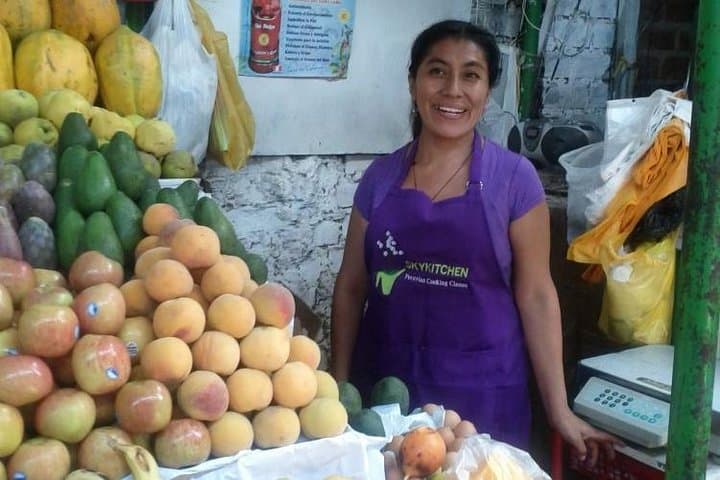
Under the crowded awnings of Mercado 1 de Surquillo, a corridor of fruit stalls unspools like a living map of Peru’s climates. You start among pyramids of lucuma, camu camu and cherimoya, their scents bright against the grease and diesel of the nearby avenue. The guide prowls the alleys, naming tubers and grains from the high Andes and pulling ripe samples—today you will taste more than 35 fruits before a short transfer to a compact teaching kitchen where Pisco Sours await.
Under the crowded awnings of Mercado 1 de Surquillo, a corridor of fruit stalls unspools like a living map of Peru’s climates. You start among pyramids of lucuma, camu camu and cherimoya, their scents bright against the grease and diesel of the nearby avenue. The guide prowls the alleys, naming tubers and grains from the high Andes and pulling ripe samples—today you will taste more than 35 fruits before a short transfer to a compact teaching kitchen where Pisco Sours await.
Surquillo is a working market with roots in Lima’s 20th-century urban expansion; it became a central hub for rural producers to reach city tables and helped popularize ingredients such as quinoa and ají amarillo. Geologically, the vendors trace produce from coastal valleys, Andean plateaus and Amazonian lowlands, condensing diverse ecosystems into a single stall.
Culturally the class shows how Peruvian cuisine is a fusion: indigenous staples meet Spanish and Asian influences in dishes like causa, ceviche and lomo saltado. The practical part of the day teaches knife technique, citrus curing for ceviche and how to balance a Pisco Sour—then you eat what you make: a four-course lunch finished with picarones.
Expect five hours of walking, standing and hands-on cooking in an urban kitchen: bring comfortable shoes, a light jacket for the market’s early-morning garúa fog, and note dietary restrictions ahead of time. Small-group sizes mean personal attention, and the market transfer gives a quick window into Lima’s foodways that’s both sensory and instructive. Bring an appetite and small notebook.